3 Days in Kyoto: The Itinerary We Wish We Had First Time
- Last Updated On September 23, 2026
Disclaimer: Some of the links on this site are affiliate links. This means I may earn a small commission if you make a purchase through them at no extra cost to you. I only recommend things I genuinely use or believe in.
It came as no surprise really that we loved Kyoto.
There’s something about the history and traditional charm of the city that makes it stand out from the rest of Japan. It’s the thing that draws us back, every time we visit.
As lovers of photography, the shrines, temples and pagodas are absolutely incredible subjects to shoot. There’s so many that even after spending a combined three weeks in the city we have barely scratched the surface.
Then you have the different colours across Japan’s seasons and the possibilities of new sights and experiences grows significantly.
We’ve spent a significant amount of time in Kyoto during our 10-month trip travelling around Japan. So much so that we think we know the best way to spend three days in Kyoto.
We’ve put together this 3-day Kyoto Itinerary so you can easily follow a plan without having to stress about what to do or see next.
In a Rush? Here Are Our Favourite Hotels in Kyoto
Contents
Toggle3 Day Kyoto Itinerary at a Glance
| Day | Area | What You're Doing |
|---|---|---|
| Day 1 | Nishiki Market & Central Kyoto | Land, drop your bags, eat your way down Nishiki Market and hit up the Pokémon Center |
| Day 2 | Fushimi Inari & Gion | Thousands of torii gates at sunrise, a tea ceremony, then Gion in kimono until sunset at Kiyomizu-dera |
| Day 3 | Arashiyama & Kinkaku-ji | A bamboo grove without the crowds, the Golden Pavilion, and a slow last evening in the city |
3 Days in Kyoto – Our Experience
We have actually spent closer to three weeks in Kyoto rather than 3 days. Which in many ways is a bit excessive, but when you’re travelling slow it’s the best way to get the true feel of a place.
Based on our experience we think 3 days in Kyoto is the perfect amount of time to see the major attractions, whilst still leaving you a little something to come back for. It doesn’t feel rushed and you get to truly appreciate the sites you have time for.
It’s somewhere we like to revisit as the seasons change, and the city takes on a different colour palette. So, whilst 3 days is enough, there’s always more reasons to come back.
Kyoto is a city of two halves.
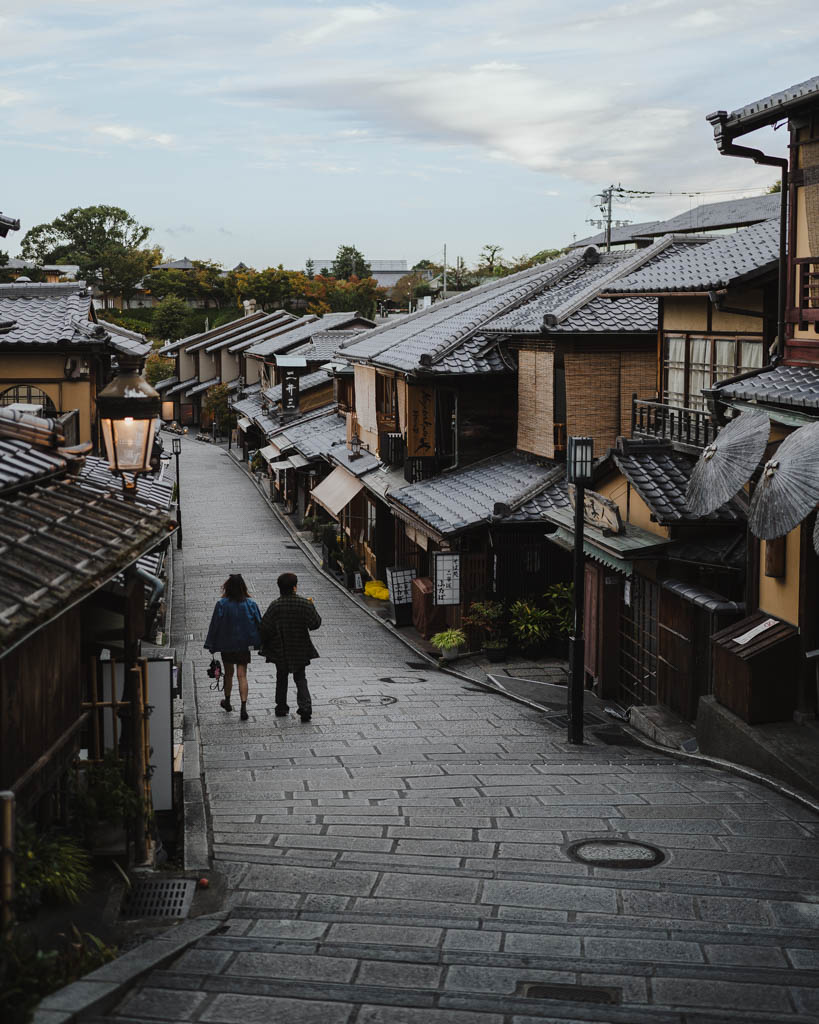
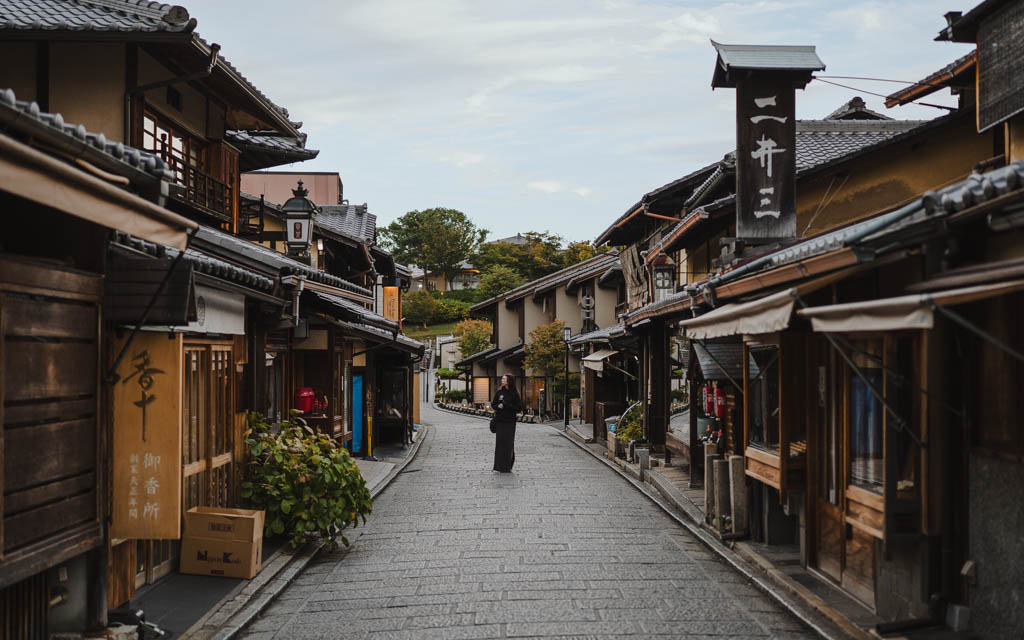
On the east side of the Kamo river, it’s like stepping back in time. The Gion district is home to Edo period Japan, showing signs of what the streets and architecture of the city used to look like. It’s one of our favourite areas to explore in the city and is without a doubt the main attraction for many visitors.
West of the Kamo river you have modern covered shopping streets, Nishiki market and access to Kyoto station. Not to undersell the west of Kyoto, there’s still plenty to do and it’s by far the best place to base yourself, we just have a soft spot for the Gion district.
Best Time to Visit Kyoto
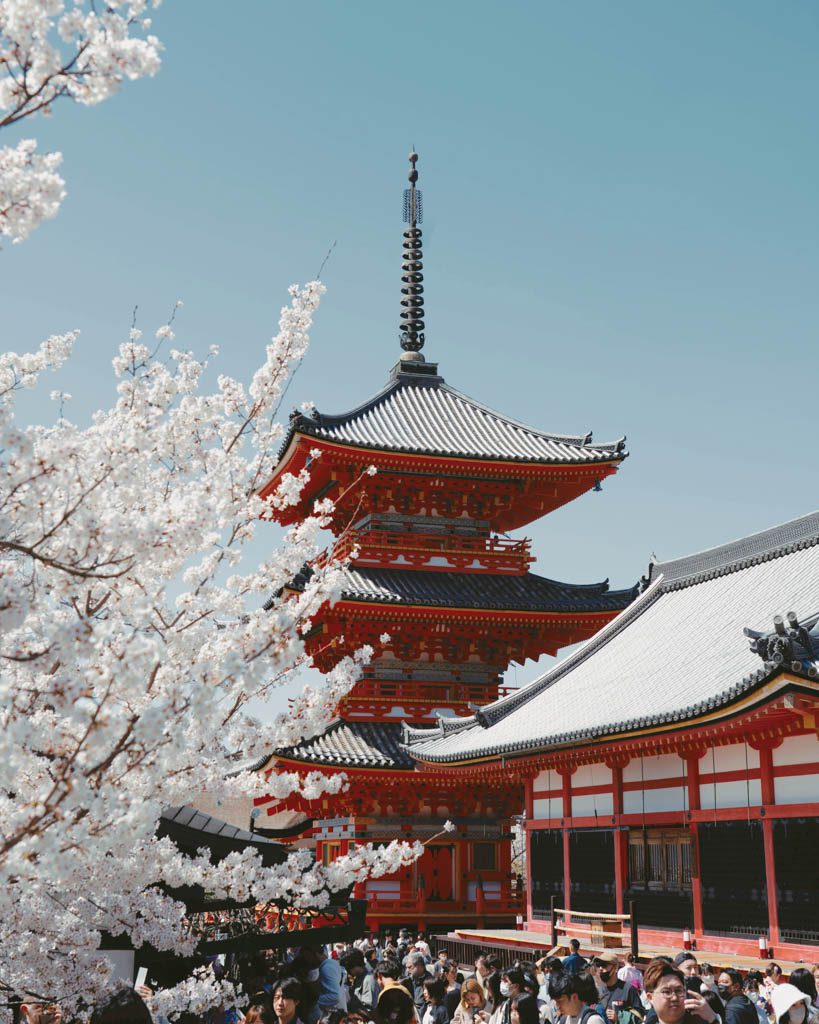
Similar to our guide on the best time to visit Tokyo, our two favourite seasons to visit Kyoto are spring (March-May) and autumn (October-November). It’s no secret that these are the best times to visit Kyoto, and the crowds reflect that.
You can expect a lot more visitors during this period and hotels will book up in advance. If you have your heart set on seeing swatches of red Momiji in autumn or cherry blossoms raining from the trees in spring, make sure you book your accommodation early for the best deal.
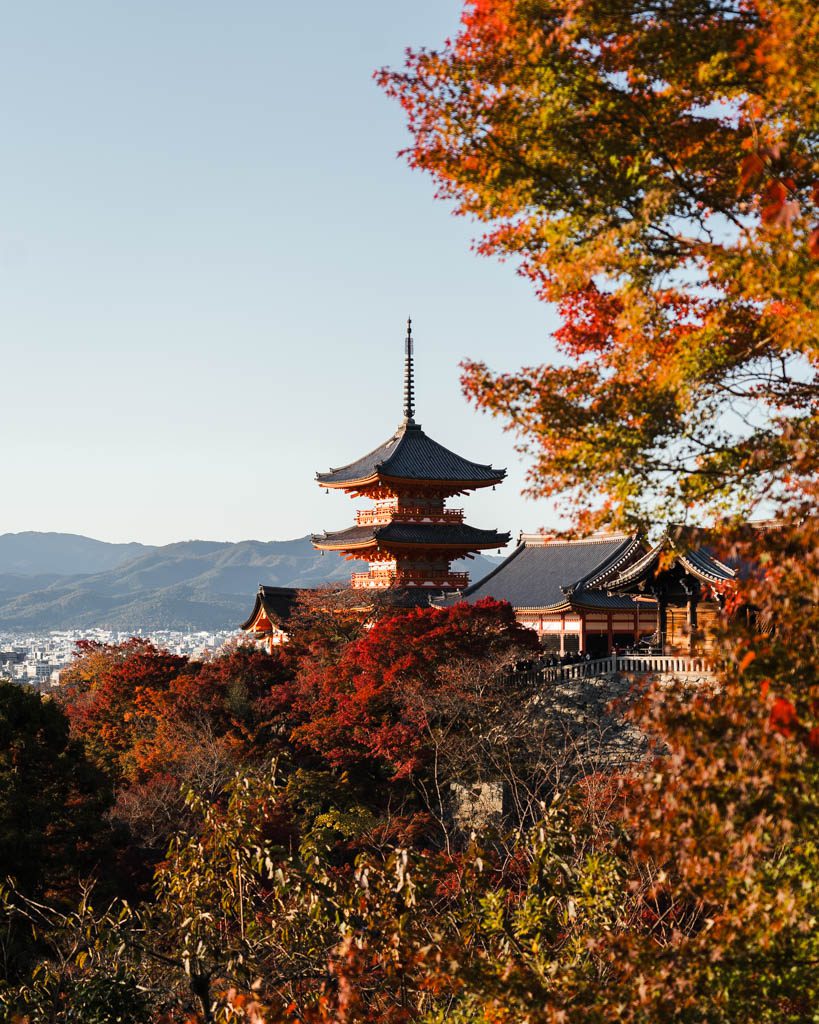
For a cheaper and quieter experience, consider planning your trip around summer and winter.
Summer (July-September) brings extreme heat and humidity which can make exploring the city difficult, but if you can bear it, you’ll find much thinner crowds and plenty of summer festivals to enjoy. Just try to avoid the rainy season in June.
Winter (December-February) is the polar opposite. Cold temperatures with the occasional snow fall, although it doesn’t tend to stick around in the city. We haven’t visited in winter as we prefer to spend our winter in Japan living in a ski resort like Nozawa Onsen.
Our friends visited Kyoto over New Year and said their favourite thing was attending the first shrine visit of the year event (hatsumode) at Fushimi Inari shrine. They enjoyed it so much that they’re even going back again this year!
How to Get to Kyoto
How to get to Kyoto from Tokyo
Travel Time: ~ 2 hours 15 minutes from Tokyo station
Fare: ~ ¥14,570 (£70)
Simply take the Tokaido Shinkansen from Tokyo station straight to Kyoto station. You can book your ticket at the shinkansen ticket machine in the station or book online in advance at Smart EX. We like to book our tickets online to guarantee the train we want, save time queueing, and link it to our Suica card for a smooth experience.
We’ve written a full guide on how to set up a Suica card which covers exactly how to link your shinkansen ticket to your Suica.
How to get to Kyoto from Osaka
Travel Time: ~29 – 48 minutes
Fare: ~ ¥410 – ¥580 (£2 – £2.75)
Generally, the best value for money route is to take the JR Special Rapid train from Osaka station to Kyoto station. It’s quick and inexpensive. Ideal if you’re staying near Kyoto station or catching a bus into the Gion district.
However, we found that taking the Hankyu-Kyoto Line from Osaka-Umeda station to Karasuma station made the most sense for us. We were staying in a hotel in central Kyoto near Nishiki Market and found it more direct to get the train to Karasuma station. It takes around 20 minutes longer and is a slightly cheaper route.
How to get to Kyoto from Kansai Airport
Travel Time: 1.5 – 2 hours from Kansai airport
Fare: ¥1,860 – ¥2,800 (£8.80 – £13.30)
It’s worth knowing that Kyoto does not have an airport.
If you’re flying into the region, chances are you’ll be flying into Kansai airport near Osaka. We’ve met people who’ve genuinely been caught out by this and have not accounted for the extra travel time to Kyoto.
For getting to Kyoto from Kansai airport you have two main options.
First, you can catch the Kansai airport line to Osaka station and then change to the Tokaido Line Special Rapid train. This is the cheapest option and the one that we took but in reverse, going from Kyoto to the airport.
Your second option is to catch the Kansai airport limousine bus. This is a service we haven’t used yet but it’s the faster and more expensive route into Kyoto. The buses run every 15-30 minutes depending on the time of day so check the timetable beforehand.
Where to Stay in Kyoto for 3 Nights
We stayed at Hotel M’s East Shijo Karasuma branch on our first trip to Kyoto and loved it for its central location. Everywhere we visit on this 3-day guide is spread out throughout the city and staying central provides the ease of hopping on the train or bus to reach wherever you need to get to.
If you’re looking for a more traditional ryokan stay or want to stay closer to the Gion district (which looks incredible), then check out our guide on where to stay in Kyoto.
How We Spent 3 Days in Kyoto - Our Perfect Kyoto Itinerary
Day 1 in Kyoto - Nishiki Market, Pokémon & Shopping
When we arrive in a new city in Japan, we like to take it easy on the sightseeing. Not wanting to rush and exhaust ourselves trying to see everything straight off the train. We much prefer to drop our bags off at the hotel and hit a few easy attractions.
Eat Your Way Through Nishiki Market
After dropping bags off at the hotel, the first place we recommend heading to is Nishiki Market in central Kyoto. Again, we prefer to stay in the centre to save all the big walking days for later.
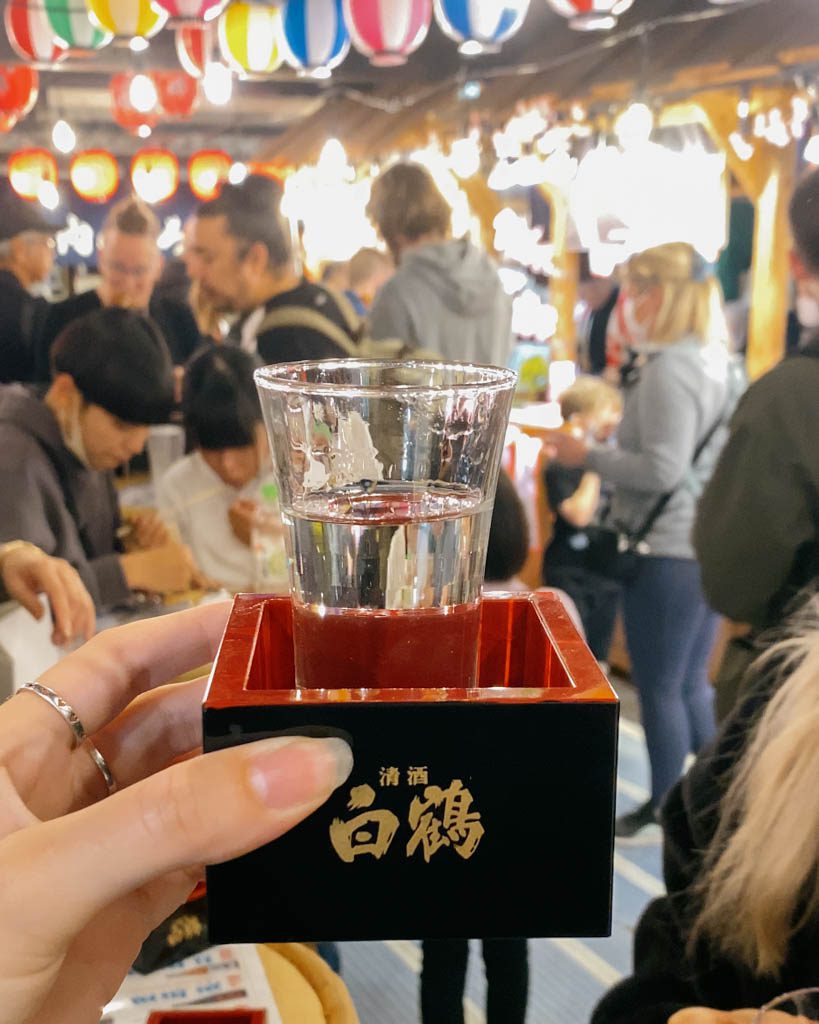
Here you’ll find a plethora of food stalls, sweet stalls, cafes and ¥100 sake. Every time we take friends to Nishiki Market we always head to Nishiki Yatai Mura. For just ¥100 each you can enjoy a glass of sake together whilst grabbing yakitori and deep-fried prawns to snack on.
That ¥100 sake draws us in every time!
We honestly spend hours hopping from shop to shop in Nishiki Market. It’s so varied and full of new sights, smells and experiences. So definitely don’t rush it.
If you need a breather from the cramped hectic market street, or simply need an energy boost, one of our favourite coffee shops in Kyoto is just around the corner. The City Bakery in Nishiki Market is top tier. They serve fresh ground coffee and a huge assortment of delicious baked goods. We like to share a scone for a little slice of home.
Nishiki Market has so much variety that it would be impossible to sit here and list everything you can buy here. Why spoil it? Head there before closing at 6pm and delve into whatever shops take your fancy.
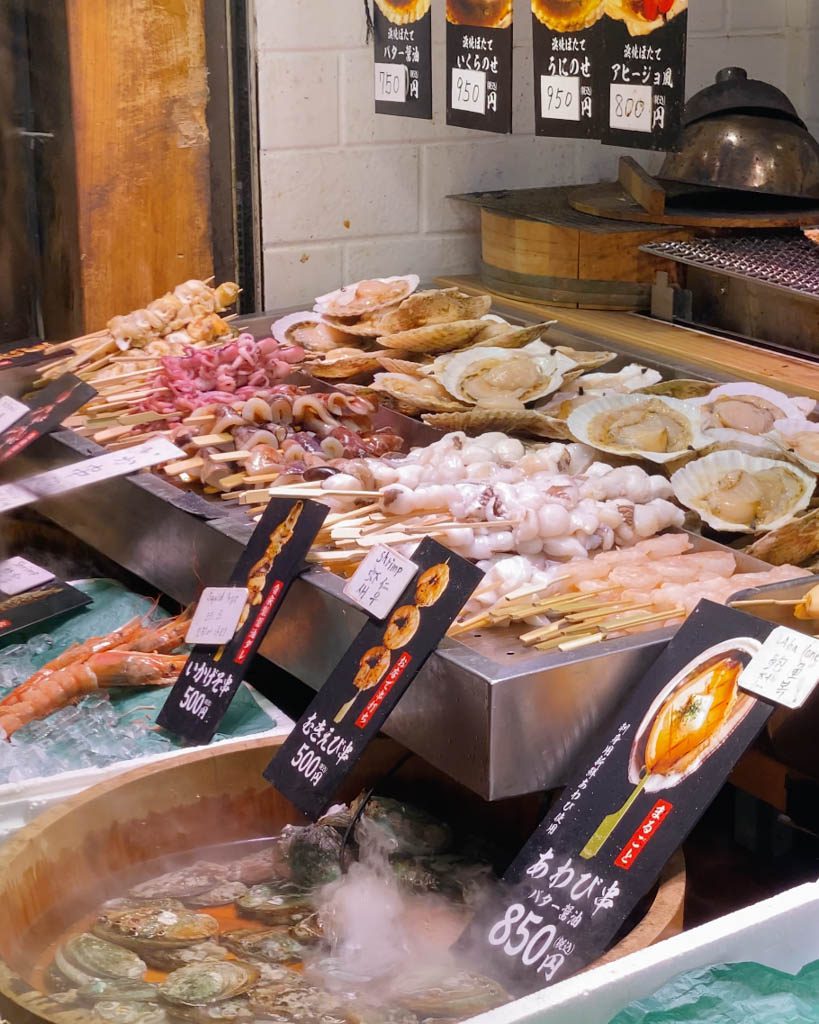
Quick Tip: Bring some cash with you. More stalls are taking cards these days but some still only accept cash.
Pokémon & Nintendo in Kyoto
For fans of Japan’s biggest export, visiting Kyoto is a great opportunity to hit up a Pokémon Center.
The Kyoto Pokémon Center is conveniently located near the main bus station at Shijo Karasuma, so even if you don’t have time to pop in today, chances are you’ll end up back here at some point. It’s a haven for Pokémon fans looking for unique merch that you can only get in Japan. Some stores even have their own location specific plushies, but they sell out super quick.
The Nintendo store is located a bit further towards the river down Shijo Street. They’re a bit spread out down the same street but there’s plenty of shops to browse along the way.
As people who take their Switch everywhere, these shops are always a stop on our trips to Kyoto.
Kyoto’s Shopping Streets
The shopping in Kyoto doesn’t end there. One of the things we love about Kyoto, particularly central Kyoto, is how convenient shopping is. It’s not spread out through different districts of the city like it is in Tokyo.
If you’re looking for some Japanese clothing to take home with you, this is the place to get it. We’ve spent hours jumping between boutique clothing stores, second-hand shops and even Sarah’s favourite, jewellery shops.
We always make a stop at Silvers Kyoto so Sarah can stock up on more jewellery, definitely worth a stop if you’re looking for some affordable silver jewellery.
If shopping isn’t really your thing, we recommend taking a walk along the Kamo river in the evening. The place comes alive as the sun sets but still maintains an air of peace around it. A great but simple way to feel like a local.
Day 2 in Kyoto - Fushimi Inari, Tea Ceremony and Kimono
After yesterday’s arrival and chill afternoon in Kyoto, today is all about exploring. Climbing up a mountain through ancient shrines, dressing in traditional kimono and experiencing a tea ceremony, topped off with a temple sunset over the city.
It’s probably our favourite day of activities in the whole of Japan so let’s get started.
Fushimi Inari
Start the day early and aim to get to Fushimi Inari for 8am.
We always visit Fushimi Inari in the early morning before the crowds show up. The earlier the better.
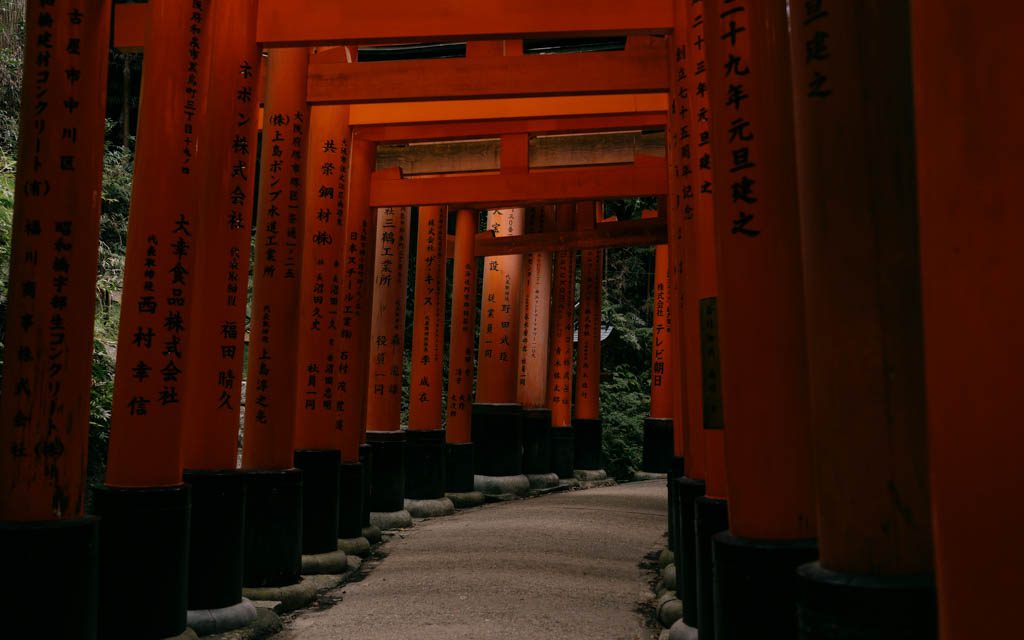
We love to come here for the incredible photo opportunities and the periodic but incredible views over the city, or maybe that’s just us looking for an excuse to rest.
The full hike is hard work but the further up you go the fewer people you will see. We usually stop at the Yotsutsuji intersection about 45 minutes up the mountain, from here you get sweeping views over the city and can decide if you want to keep going or turn around. Whilst the full hike is nice, there does come a point where you’ve taken all the photos you can of similar looking red gates.
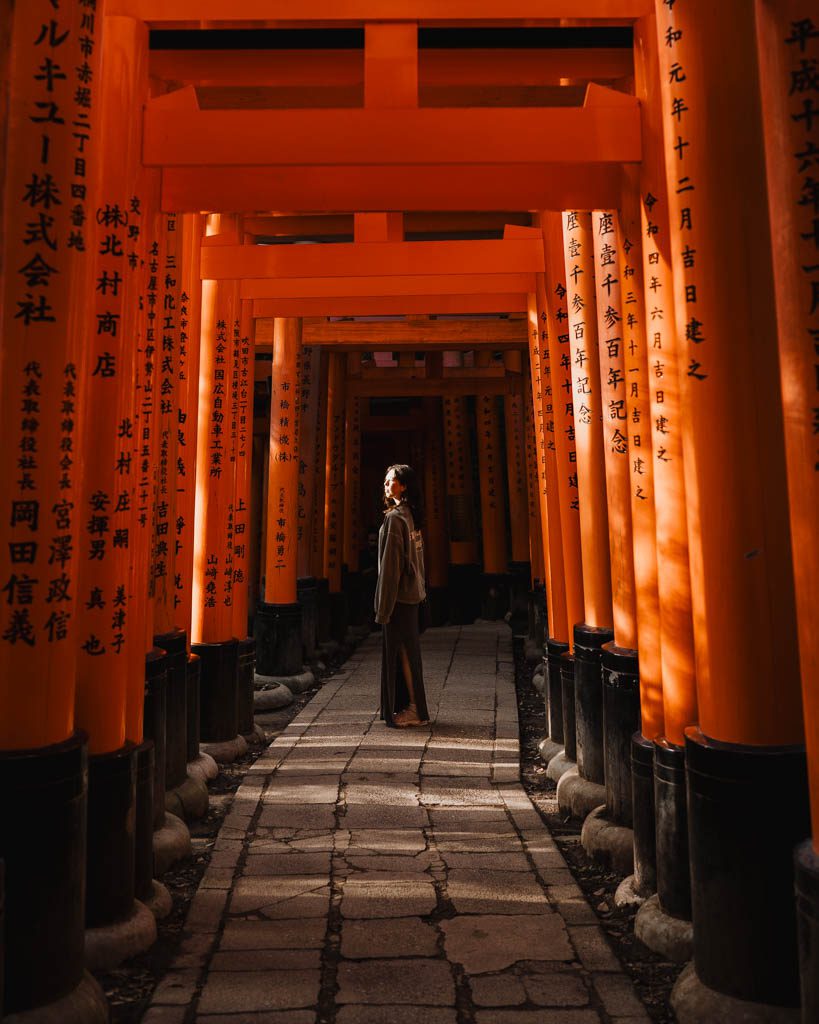
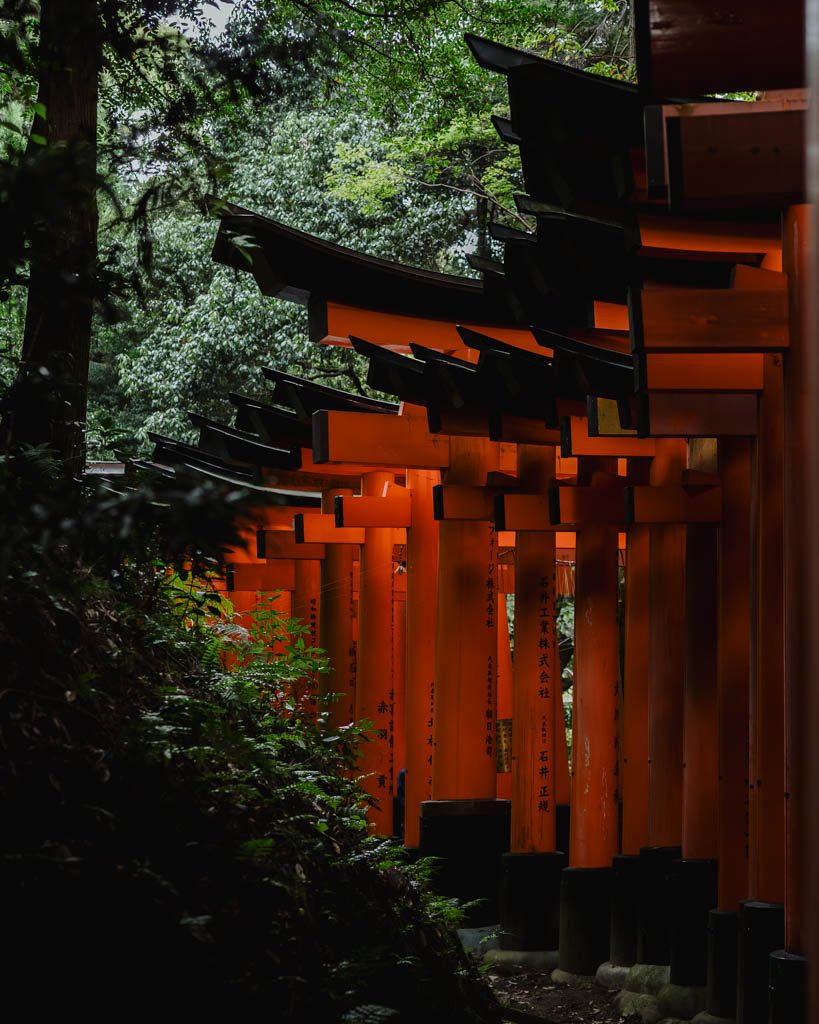
If you’re less interested in the photo opportunities and more on the history, we recommend booking a guided tour.
After exploring Fushimi Inari catch the train back into the city towards the Gion district for the next activity.
Traditional Tea Ceremony in Kimono
This is hands down the best experience we’ve had in Kyoto and is something everyone should try at least once.
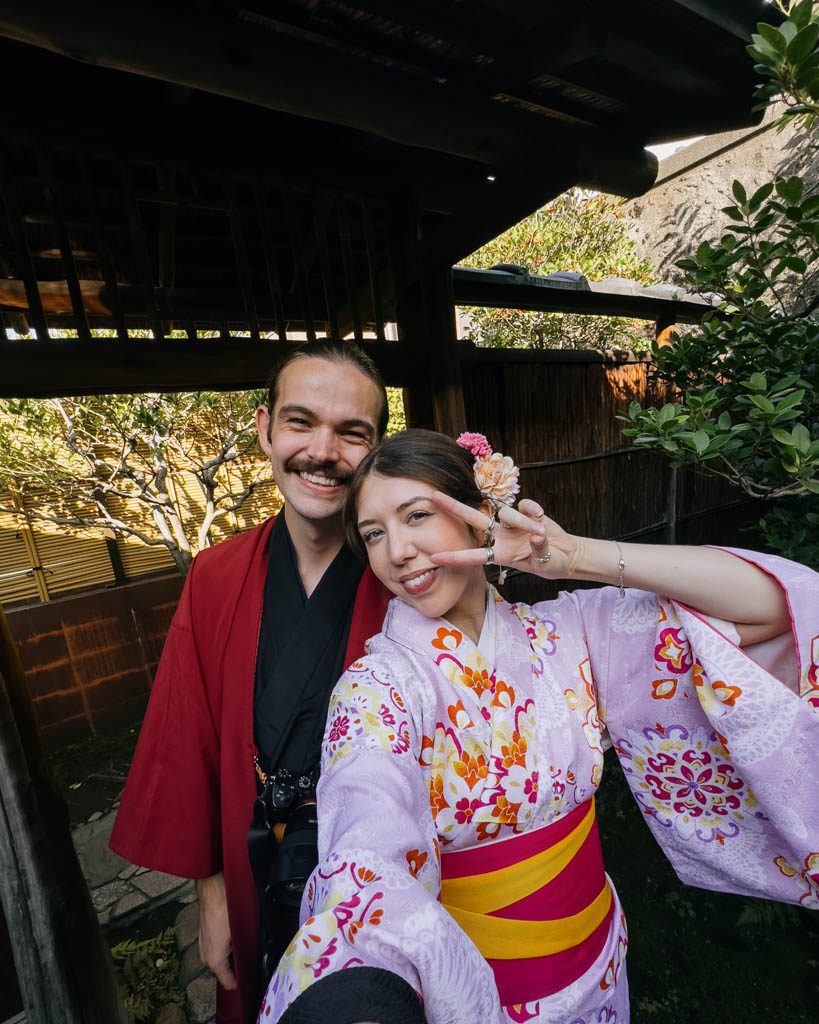
We booked our traditional tea ceremony with Maikoya at their Gion Kiyomizu location and absolutely loved it! It’s been the highlight of our travels through Japan.
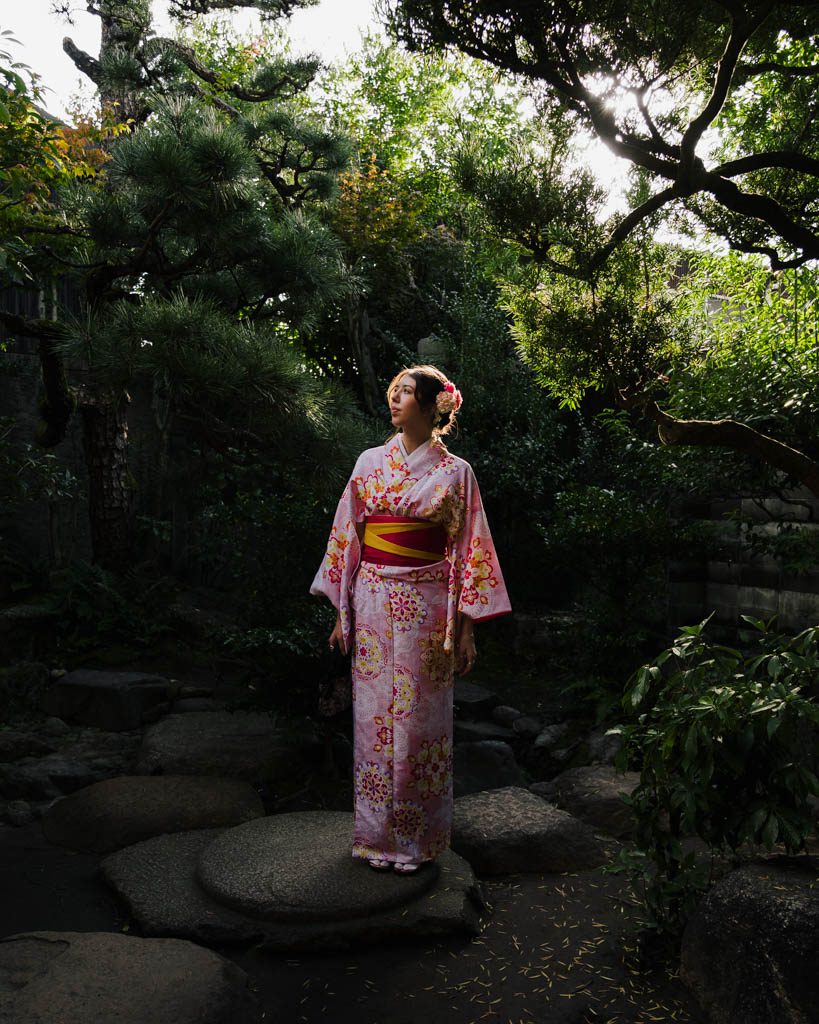
They dress you in kimono, talk you through how the ceremony works and its meaning, before serving you traditional Japanese tea. You then have the opportunity to take photos in their gardens and keep the kimono on for the rest of the day.
We paid ¥13,860 (£70) for two people back in 2023 to give you an idea of the price.
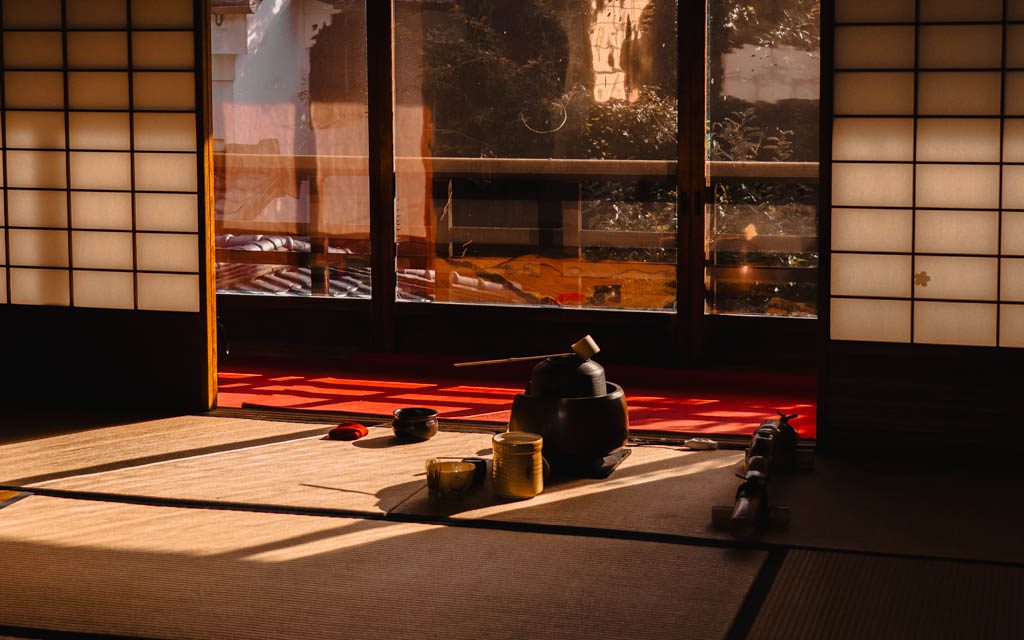
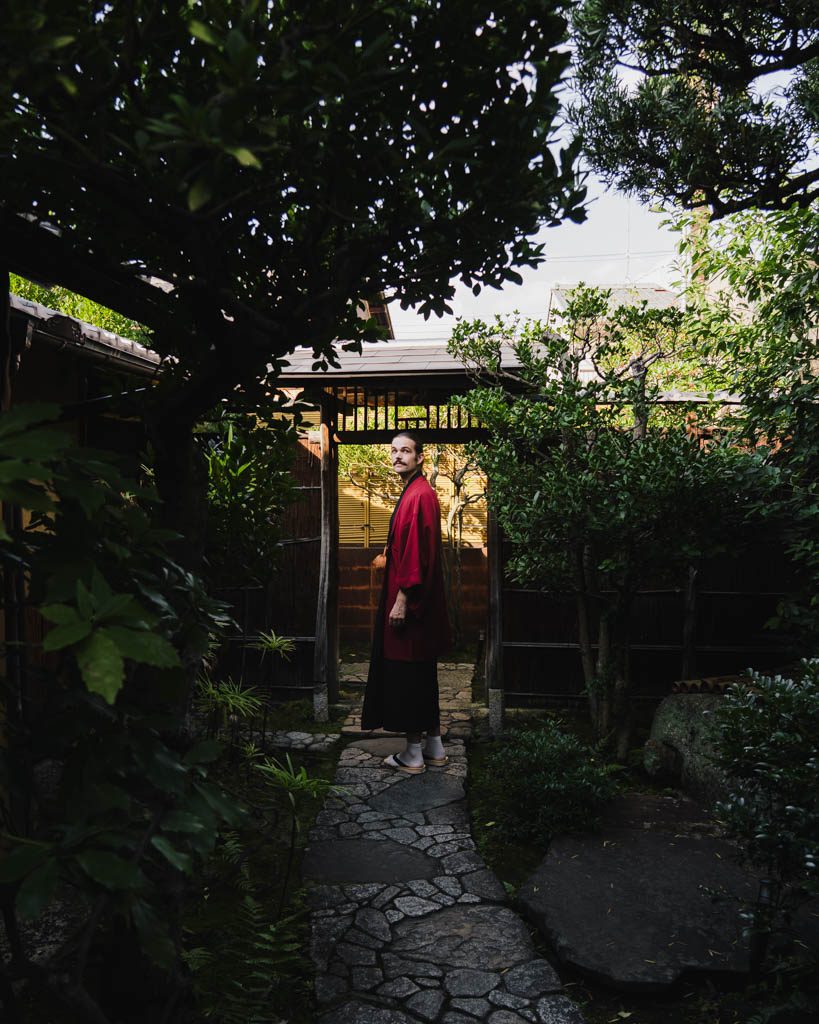
Quick Tip: Make sure you book your tea ceremony in the Gion district. There are several tea ceremonies spread throughout Kyoto but doing one in the Gion district has a unique feeling.
Gion District
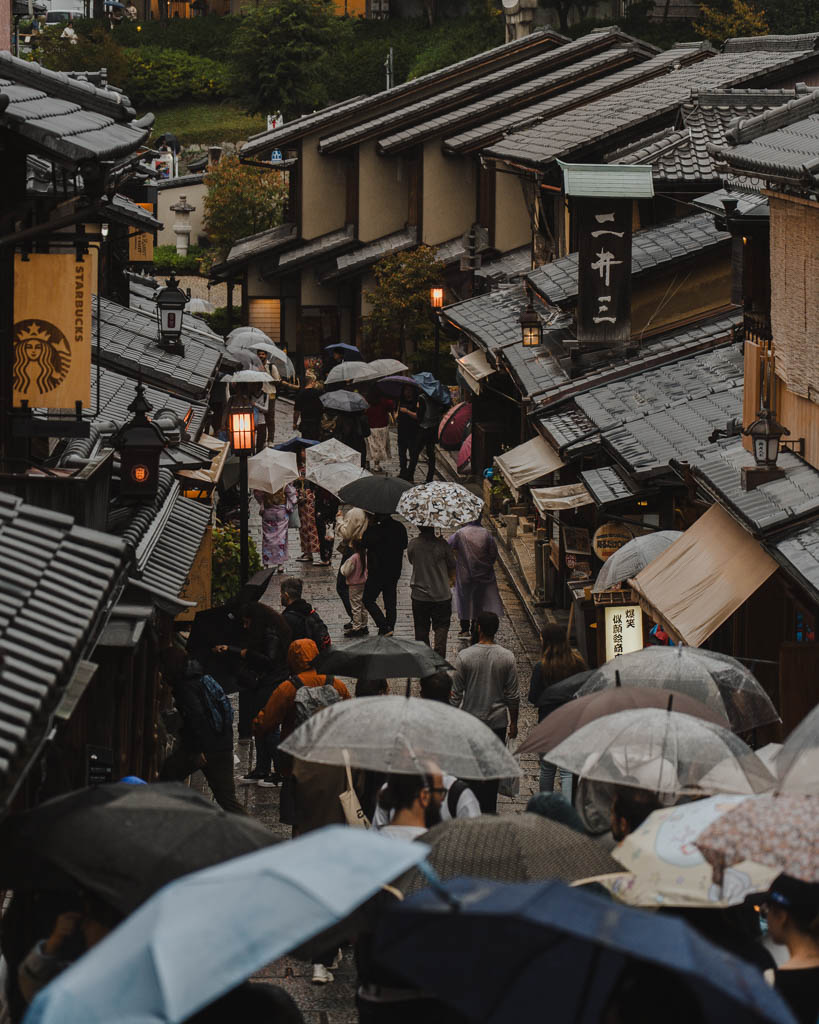
We’ve walked through the Gion district many times before but doing it dressed head to toe in a traditional kimono gave it a completely different vibe. It’s a great opportunity to take photos and wander the streets, whilst still feeling incredibly comfortable.
Hands down the best way to explore the area.
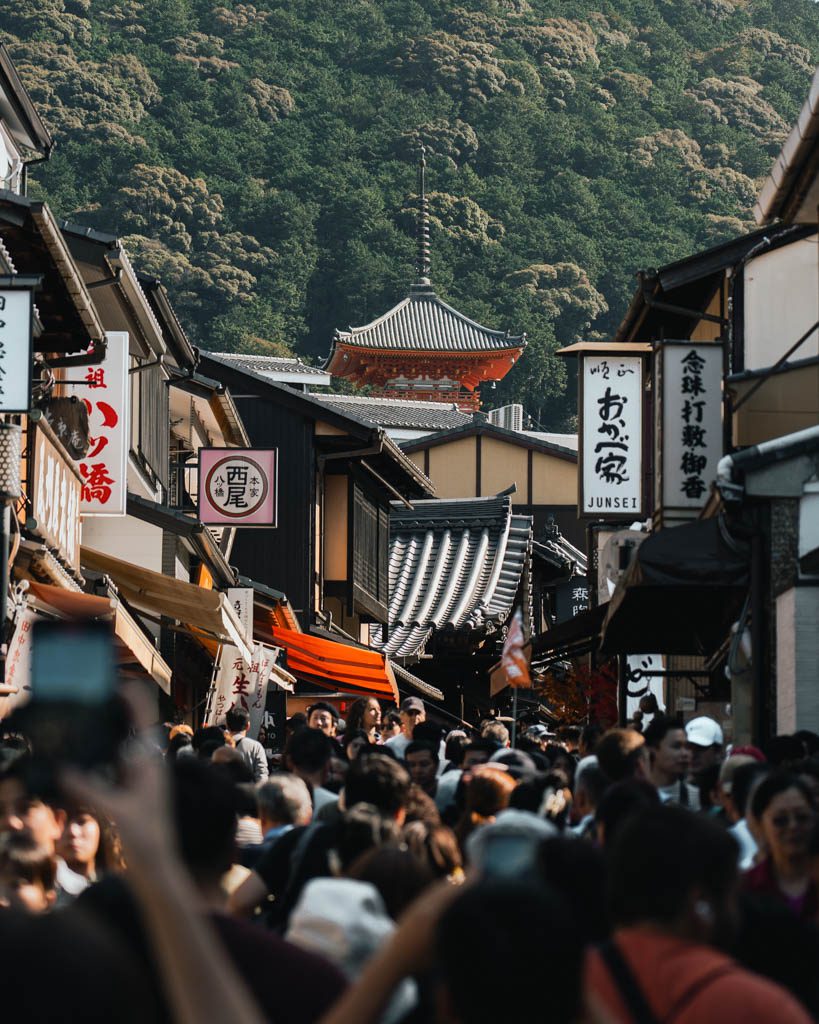
Even if you don’t decide to go with the kimono experience, the Gion district is worth exploring. It’s one of the top attractions in Kyoto and truly feels like you’re stepping back in time, if you ignore the Starbucks.
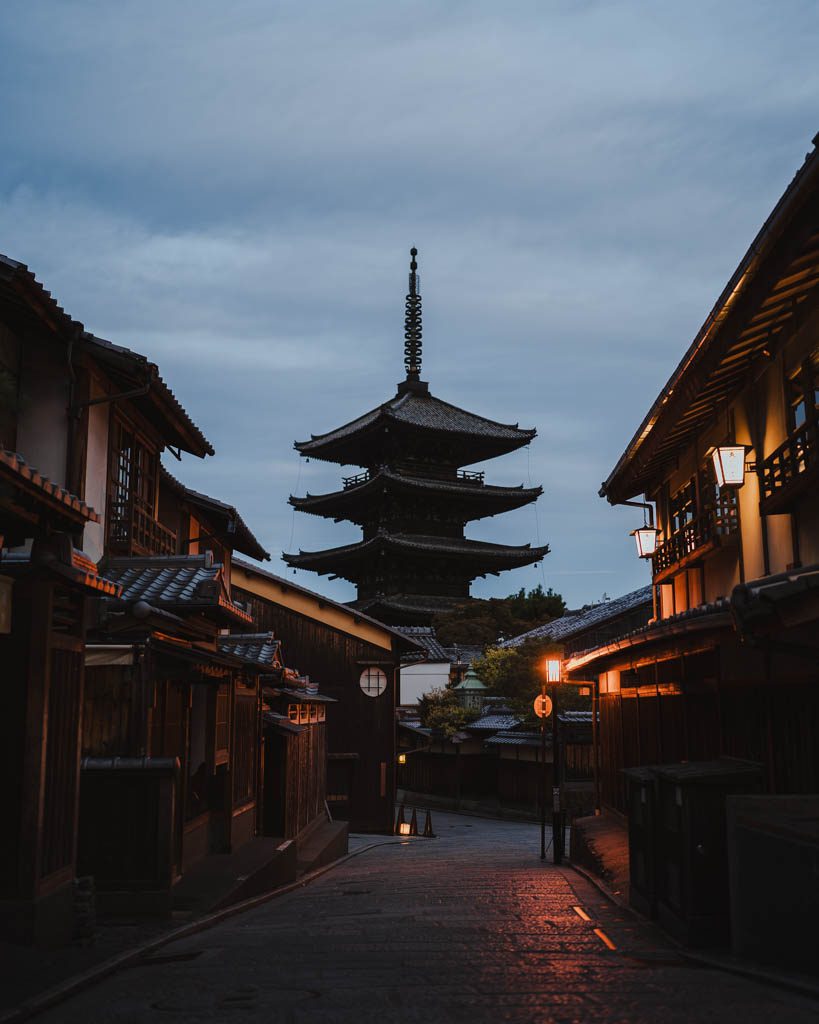
The highlight of the area for us is Yasaka Pagoda (Hokan-ji Temple). It’s an iconic shot to capture in the Gion district especially in kimono. The only downside is that it gets incredibly busy.
The only way to get a clean shot of Yasaka Pagoda is to arrive before sunrise. We’ve done it several times now and even at 6am we weren’t alone. If this shot is top of your list, try squeezing in a sunrise trip before heading to Fushimi Inari.
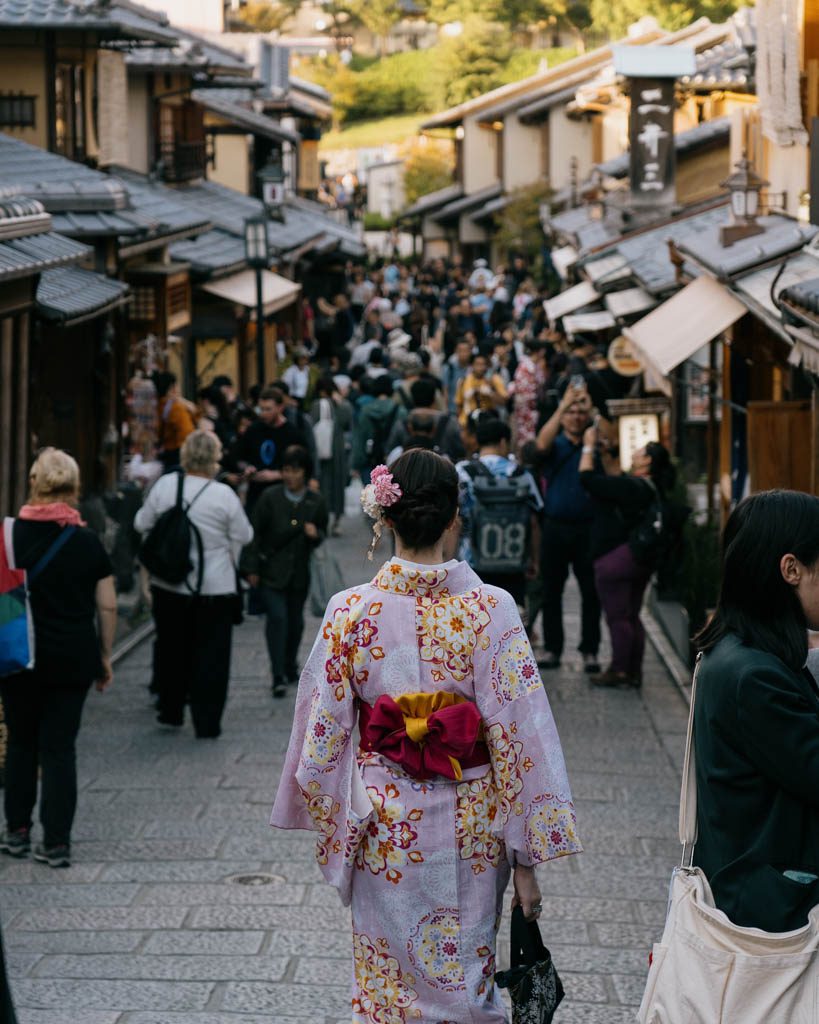
After the pagoda we wandered around the streets of Ninenzaka and Sannenzaka before making our way up to Kiyomizu-dera.
Kiyomizu-dera
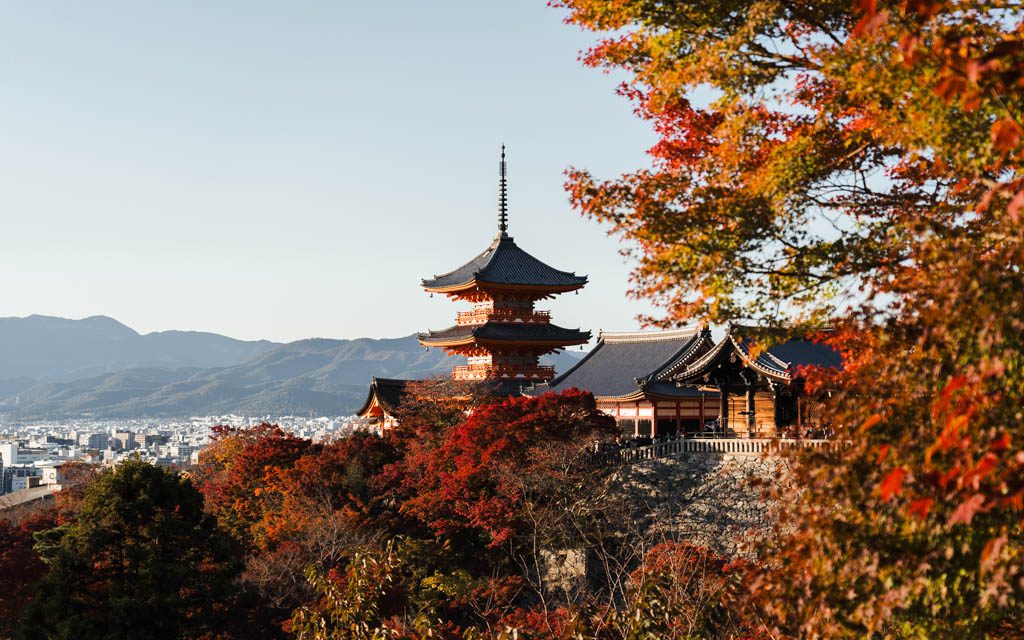
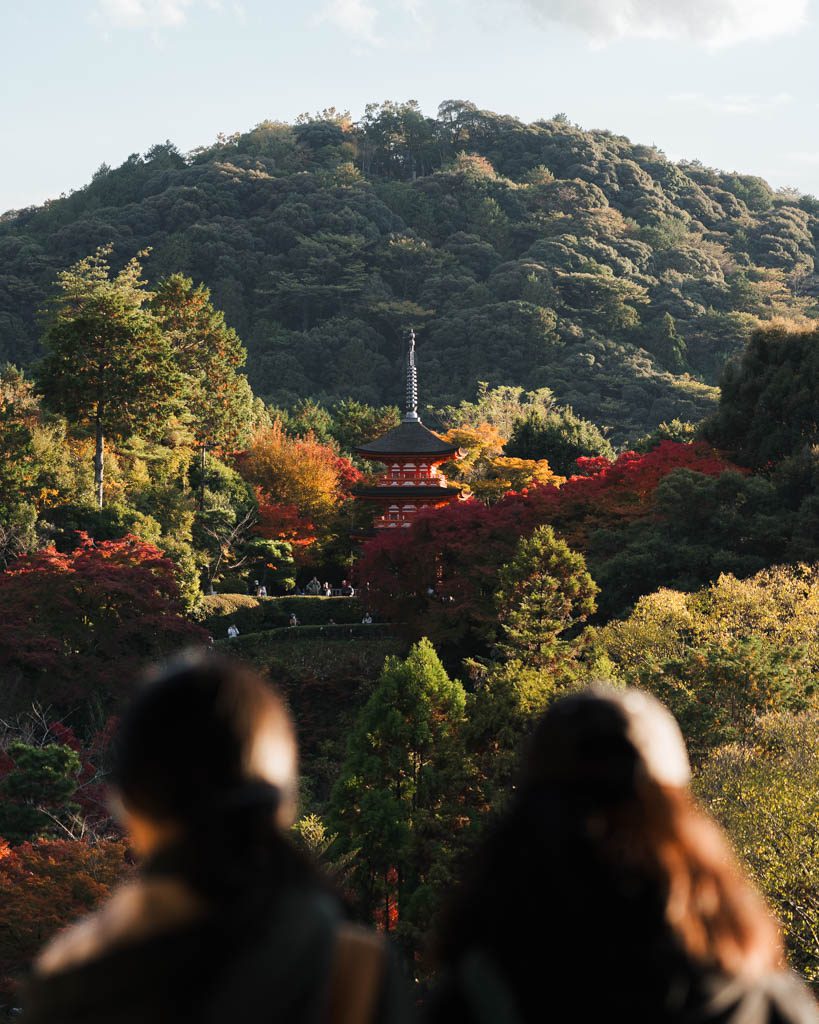
End the day in your kimono at Japan’s most famous temple, it’s so close to the Gion district that they should absolutely be paired together. We visited during the autumn foliage, and seeing the temple surrounded by vibrant reds and bright oranges was incredible.
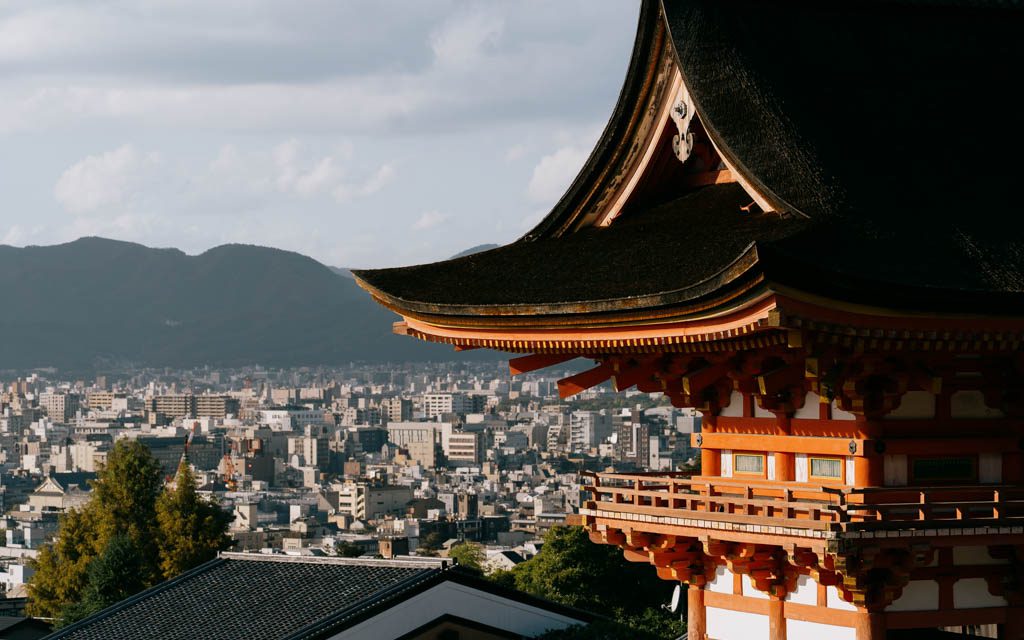
It’s without a doubt our favourite view in the city and a great spot to watch the sunset over Kyoto. Take some pictures and hang around here until you have to take the kimono back.
Day 3 in Kyoto - Arashiyama and Kinkaku-Ji
Today we’re heading to Arashiyama but not for the bamboo grove you’re thinking of, and we’ll explain why.
Skip the Bamboo Grove - Visit Adashino Nenbutsu-Ji Instead
On our first trip to Arashiyama we did the same thing every first-timer does and went straight to the famous bamboo grove. We’re honestly convinced that no matter how early you go, people will always be there.
In all honesty, we weren’t impressed. Don’t get us wrong, it’s a cool forest and seeing the bamboo towering overhead is cool. But the sheer volume of people in such a small area is our worst nightmare
Since going back to Kyoto we’ve found our new favourite trick to seeing a bamboo forest with zero crowds. Instead, we head to Adashino Nenbutsu-ji. Getting there at 9am for opening meant we had the entire place to ourselves. It truly feels like a breath of fresh air and is one of the more non-touristy temples we’ve visited.
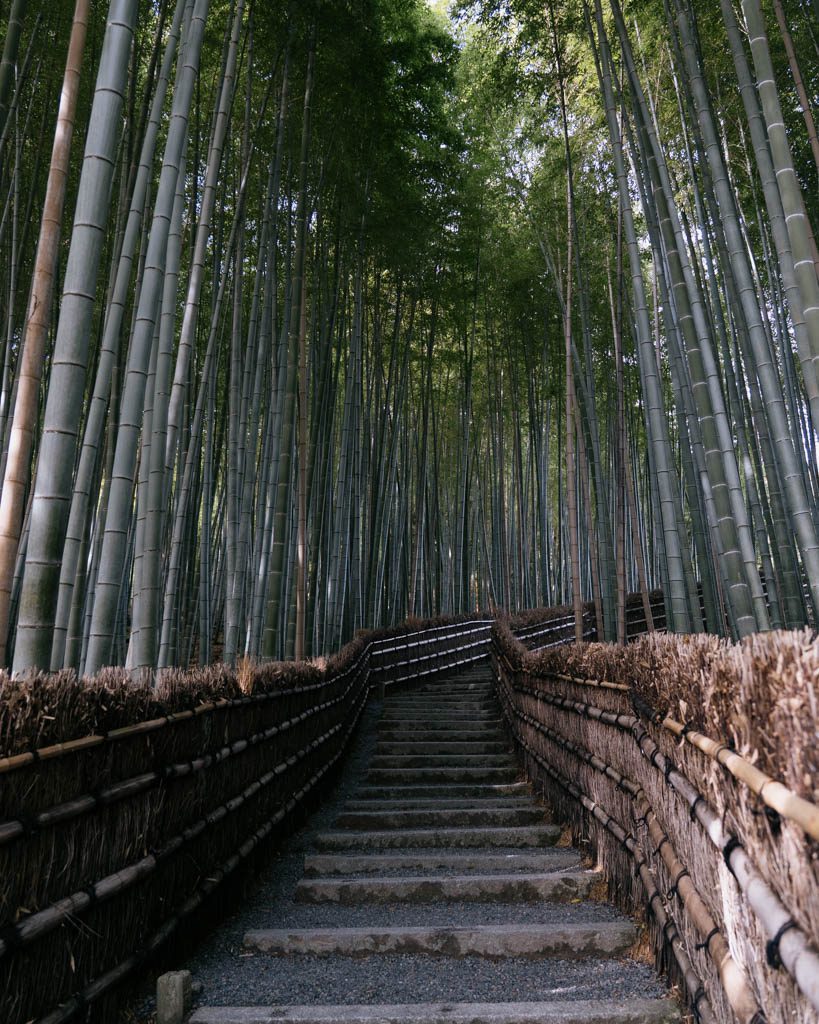
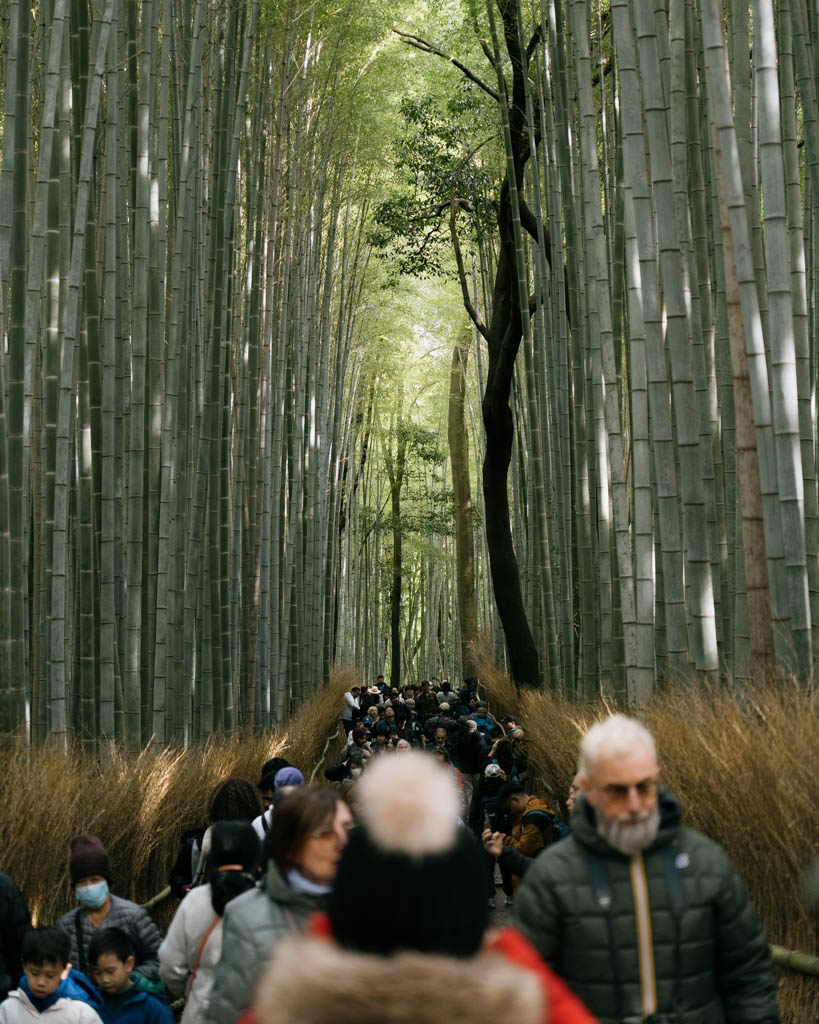
The best part is that they have their own mini bamboo grove tucked away at the back of the temple so you can grab some pics without the crowds of people.
Explore Arashiyama
Arashiyama is more than just the bamboo grove, and once you get away from the chaotic hot spots it becomes so much more enjoyable.
We’ve genuinely had times where we’ve travelled to Arashiyama and simply got straight back on the train after seeing how crowded it is. Which was pretty foolish because the crowds are surprisingly easy to escape.
Take a walk around Arashiyama park and head to the viewpoint overlooking Rankyo gorge and the Katsura river below. We like to walk down to the jetty by the river and people watch as boats paddle up and down the river. On a nice day it’s a beautiful spot to unwind, and if you’re a coffee freak like us there’s a %Arabica by the river.
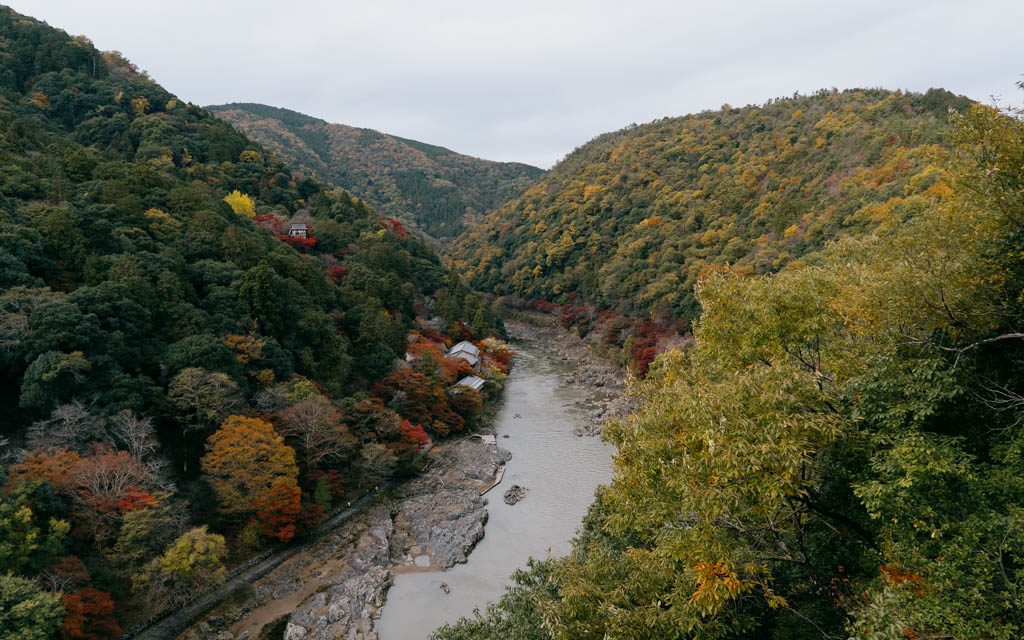
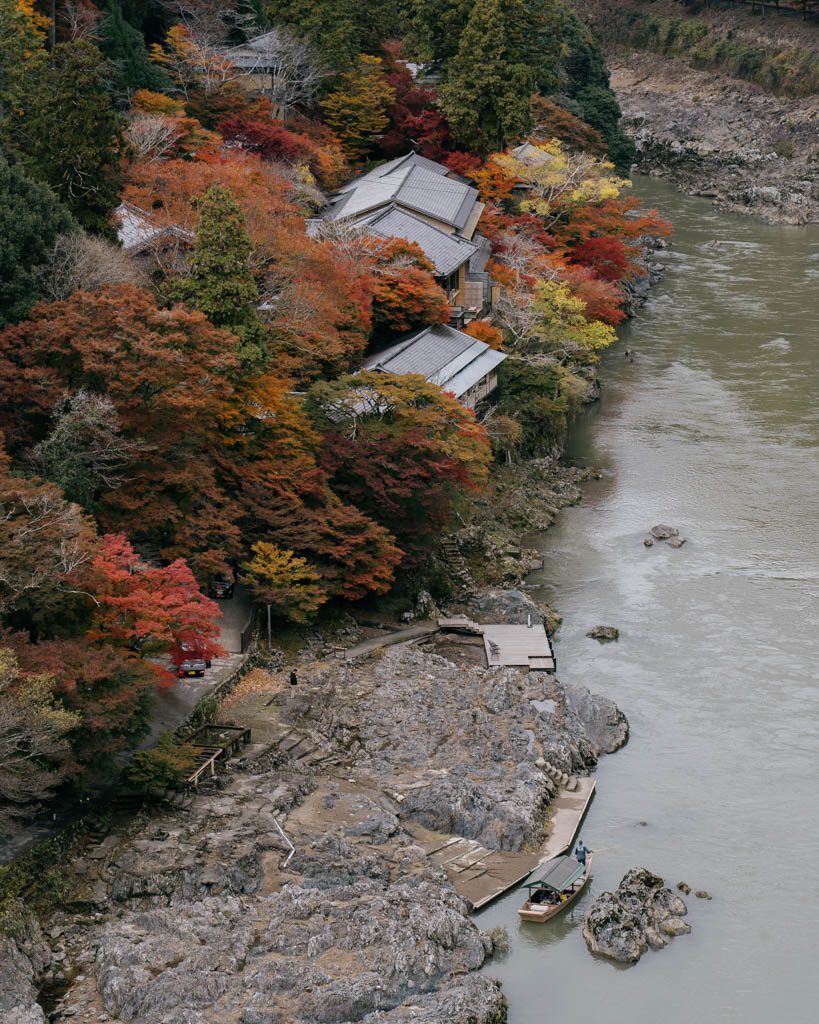
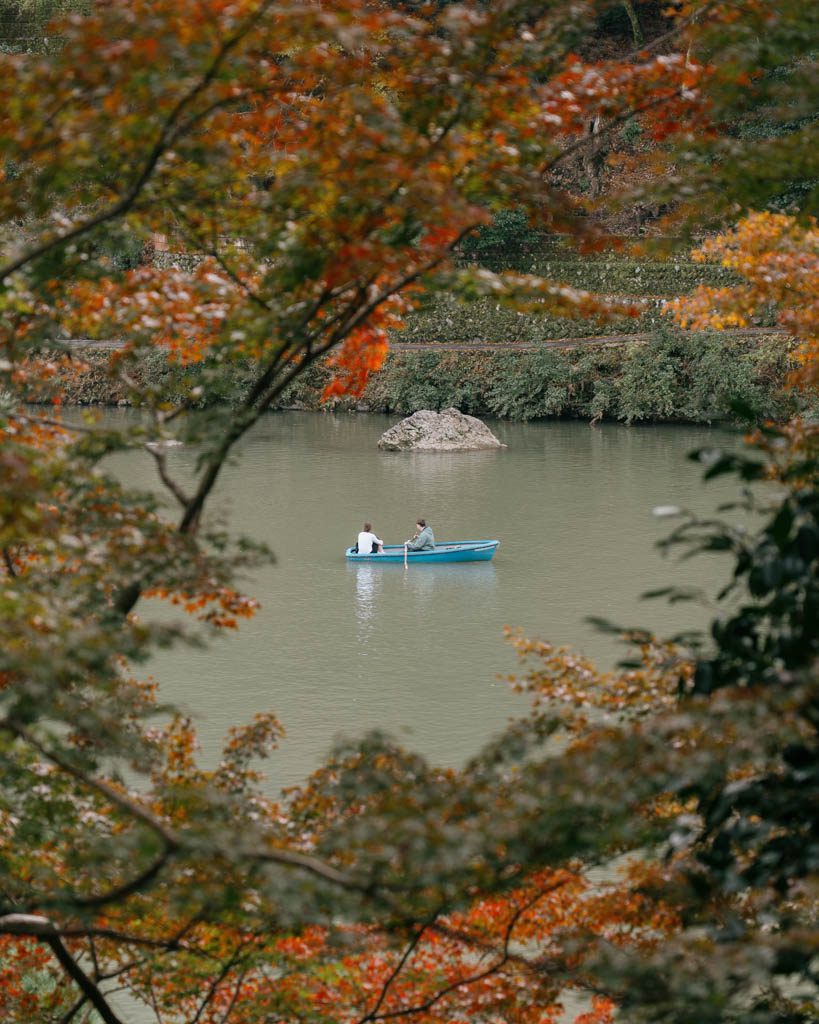
If you have the time and are visiting in autumn then definitely check out the Arashiyama Yusai-Tei Gallery it’s been on our list for so long but every time we’re in the area the autumn foliage hasn’t been great or we’ve been short on time. The photos from here look absolutely stunning.
Kinkaku-Ji
We know the experience of death by temple, after living in Japan for 10 months we’ve seen our fair share. Trust us though, this one is worth it.
It’s a bit out the way from Arashiyama, takes two buses and one hour to get to but it’s the last stop of our day so no need to rush.
Kinkaku-Ji is also known as the golden temple and that’s quite literally what it is. A gorgeous Japanese temple adorned in gold leaf. Unfortunately, you can’t get up close to see it as it’s surrounded by water, but even seeing it from a distance is spectacular.
We walked the loop around the temple for around 30 minutes before making our way back to central Kyoto.
Final Evening in Kyoto
We spent our final evening in Kyoto simply walking around the Kyoto Gyoen National Garden, it’s open 24 hours so no matter what time you finish with your other activities it’s always there to explore.
We prefer to keep the final night pretty chill and give you the option to choose what you want to do. Whether its visit the national garden, revisit the Gion district, do some more shopping or walk the Kamo river. Really, just take the time to soak in the last of Kyoto. Besides, there’s bound to be something you haven’t eaten yet in Nishiki Market.
Things to Know Before Visiting Kyoto
Before you finalise your plans for Kyoto there are a few tips we can share that will make your life a whole lot easier when you visit Japan’s old capital. Here’s everything we wish we knew before we visited.
Get a Suica Card
We can’t imagine a life in Japan without a Suica Card. It becomes the life blood of getting around any city in Japan. It makes navigating the trains and buses in Kyoto effortless. We’ve written a full guide on how to set up a Suica card.
Location, Location, Location
We recommend staying in the central area of Kyoto near the main shopping streets and Nishiki market. It’s by far the most convenient place to stay with easy access to all the bus routes you’ll need to explore the city and easy metro links to Kyoto station. Staying in Gion is nice but can be inconvenient.
Get an e-SIM
Staying connected is essential in Kyoto. Google Maps is your best friend and we find it works best when you have a good connection (offline maps have failed us in the past). You’ll also find google translate a must have for translating menus and communicating with staff. We’ve written a full guide on the best SIM card for Japan.
How to Ride the Escalator
A classic quirk of travelling Japan. Everyone in Kyoto stands on the right side of the escalator, allowing people who want to walk or are in a rush to use the left-hand side. In Tokyo, it’s the other way around.
Make Sure You Have Travel Insurance
Travel insurance is one thing we never travel without. While Japan is an incredibly safe country, unexpected things like illness, injuries or cancelled flights can quickly turn into expensive problems. We’ve compared the best options in our guide to the best travel insurance for backpackers.
Beat the Crowds
Make sure to set your alarm early in Kyoto, the crowds can get overwhelming and the best way to see the top attractions is to be the first one there. Top attractions like Arashiyama, Yasaka Pagoda and Fushimi Inari get crazy busy at midday.
Final Thoughts About Our Kyoto Itinerary
3-days in Kyoto is a great amount of time to see the highlights, while still leaving enough of the city to explore on a second trip. If one thing’s for sure it’s that there’s always more temples to see in Kyoto!
A 3-day trip to Kyoto works well with our other guides to Japan’s cities and towns. Still in the planning stages of your Japan trip? Check out our guides below.
Tokyo – 5-Day Itinerary
Tokyo – Where to Stay in Tokyo
Tokyo – Best Day Trips from Tokyo
Nozawa Onsen – Guide to Nozawa Onsen
Nozawa Onsen – Where to Stay in Nozawa Onsen
More to come!
FAQs About Our 3-Day Kyoto Itinerary
Is 3 days enough for Kyoto?
Yes. 3 days is enough to see Kyoto's major sites if you plan them in the right order, and it's what we'd recommend for first-time visitors. We've spent around three weeks in Kyoto across our time in Japan, and if you want more flexibility or fancy adding a day trip, we'd stretch it to 4 or 5 days.
What time should you visit Fushimi Inari?
Aim to arrive by 8am. We always visit Fushimi Inari in the early morning before the crowds show up, and the earlier the better. By midday, it gets crazy busy.
Do you have to hike all of Fushimi Inari?
No. We usually stop at the Yotsutsuji intersection, about 45 minutes up the mountain, where you get sweeping views over the city. The further up you go, the fewer people you'll see.
Do you need to book a tea ceremony in advance?
Yes. We booked ours with Maikoya at their Gion Kiyomizu location and paid ¥13,860 (£70) for two people back in 2023. Doing one in the Gion district specifically gives it a unique feeling compared to other parts of the city.
Can you wear a kimono to Kiyomizu-dera?
Yes. If you book a tea ceremony that lets you keep the kimono on afterwards, you can wander Gion and make your way up to Kiyomizu-dera still dressed, which makes for some of the best photos of the trip.
Is the Arashiyama Bamboo Grove worth visiting?
We weren't impressed. No matter how early you go, people will always be there. Instead, we head to Adashino Nenbutsu-ji, which has its own mini bamboo grove tucked away at the back of the temple, and getting there for opening meant we had the entire place to ourselves.
How long does it take to get from Arashiyama to Kinkaku-ji?
Around an hour, taking two buses. It's a bit out of the way, but since it's the last stop of the day, there's no need to rush.
How do you get to Kyoto from Tokyo?
Take the Tokaido Shinkansen from Tokyo Station straight to Kyoto Station. It takes around 2 hours 15 minutes. You can book at the shinkansen ticket machine in the station or online in advance at Smart EX.
Related Posts
Hi! We’re Mark & Sarah.
We’ve been travelling the world together for the past 4 years. Exploring destinations such as Europe, South America, South East Asia, Japan and Australia. Now we’re sharing everything we’ve learned on our travels, to help you get out there and have your own adventures!