Working a Ski Season in Japan: The Honest Guide to Jobs, Salary & What It's Really Like
- Last Updated On July 22, 2026
Disclaimer: Some of the links on this site are affiliate links. This means I may earn a small commission if you make a purchase through them at no extra cost to you. I only recommend things I genuinely use or believe in.
We went to Japan for a ski season thinking life was going to be slurping down ramen and bathing in traditional onsen…
Turns out we were right!
Working a ski season in Japan wasn’t some long-held dream, it came out of nowhere after bumping into another traveller in the Philippines who raved about it! Then 12 months later we were planning our very own season.
And we were not disappointed. The powder, the culture, the post ski onsen. Everything felt brand new and we were absolutely living for it.
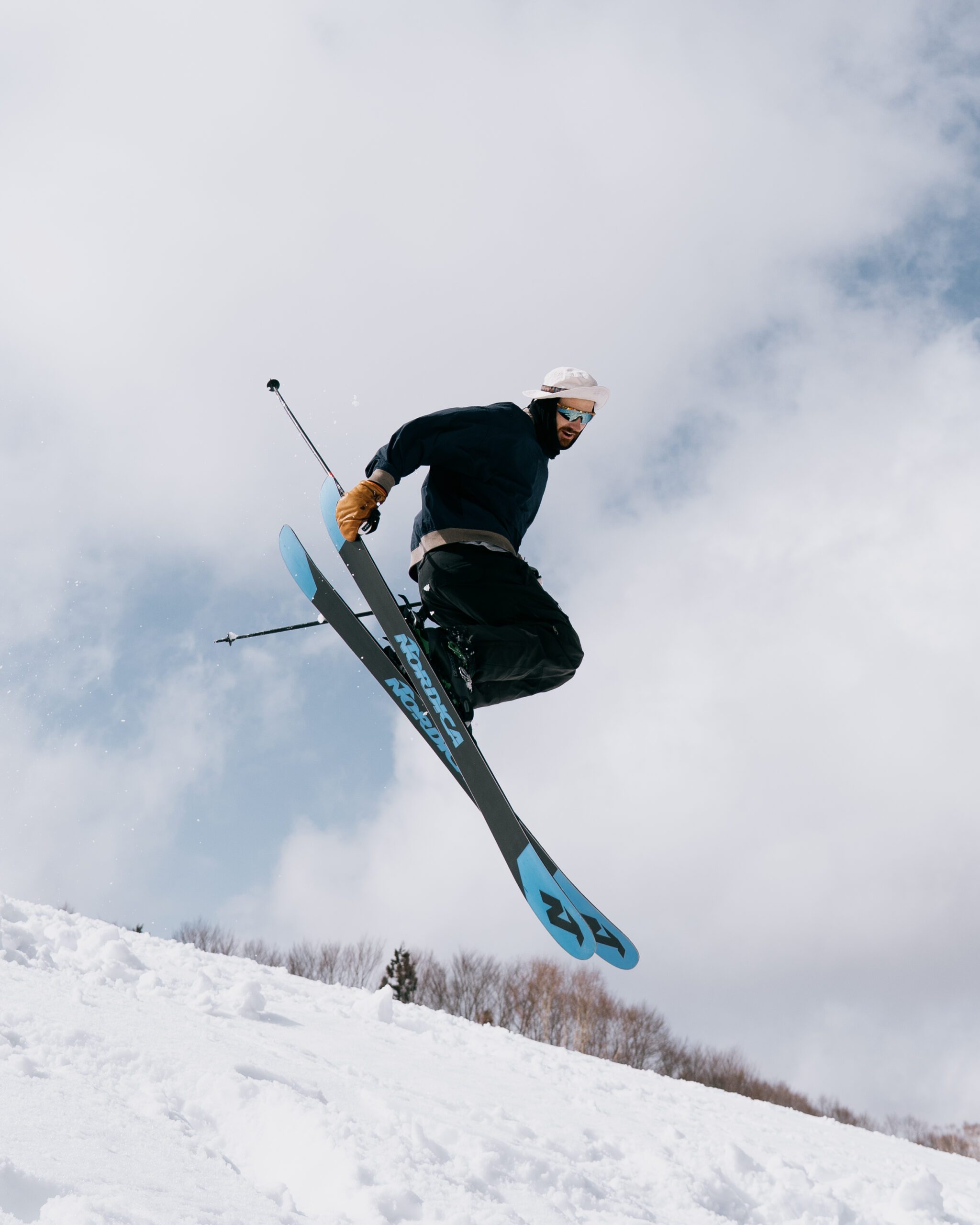
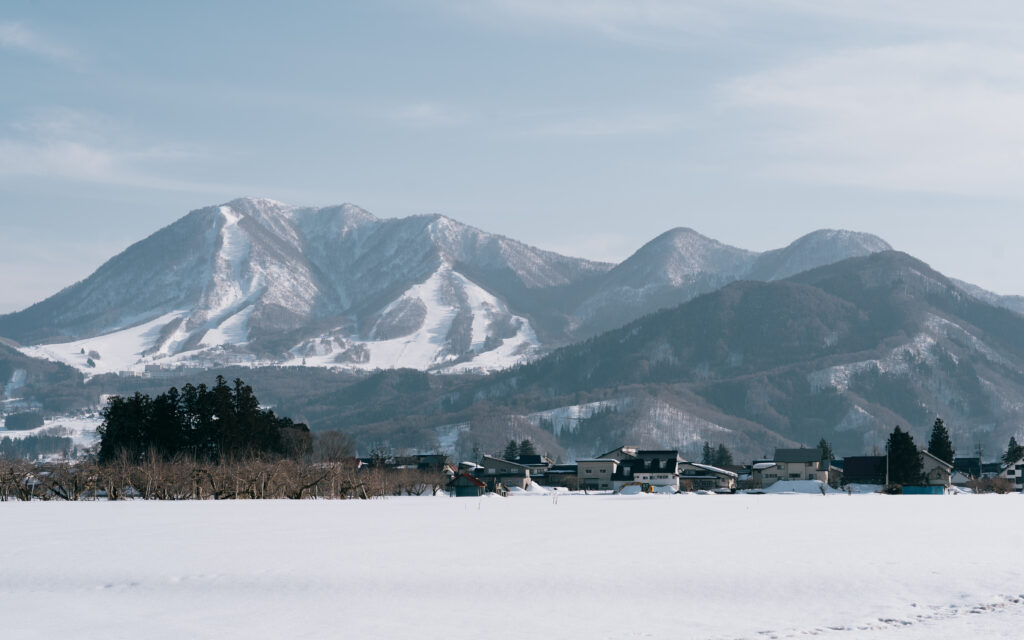
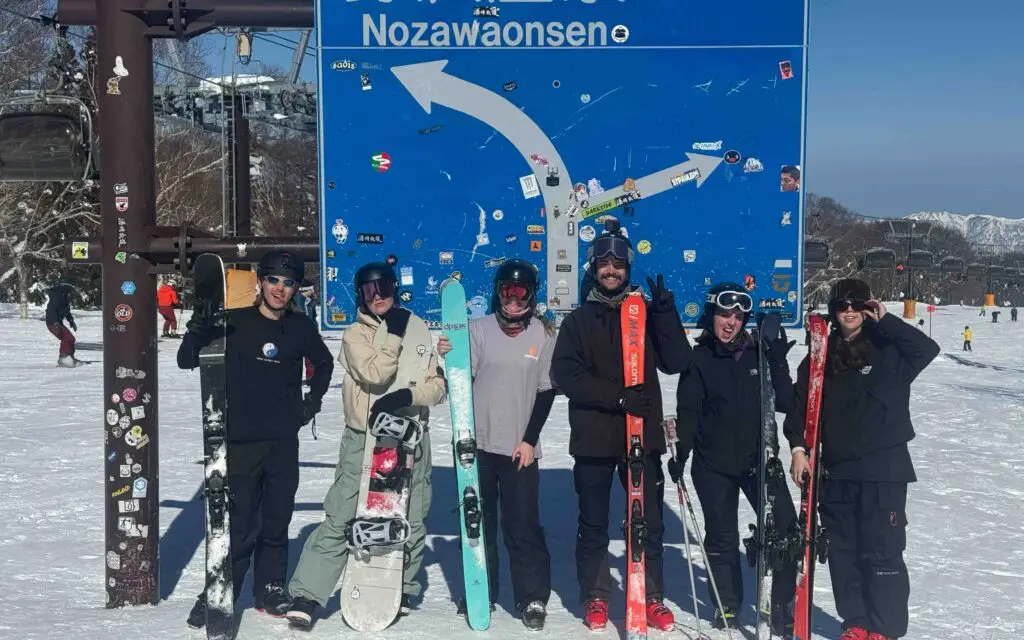
We spent the 2024/25 season in Nozawa Onsen, Nagano.
Working between a bar, a restaurant, and the occasional apartment clean. In this post I’m going to be breaking down everything you need to know for working a ski season in Japan.
Let’s get into it!
Contents
ToggleWhy Work a Ski Season in Japan?
If you’re already an avid skier then you probably already know why millions of skiers flock to Japan every season.
JAPOW!
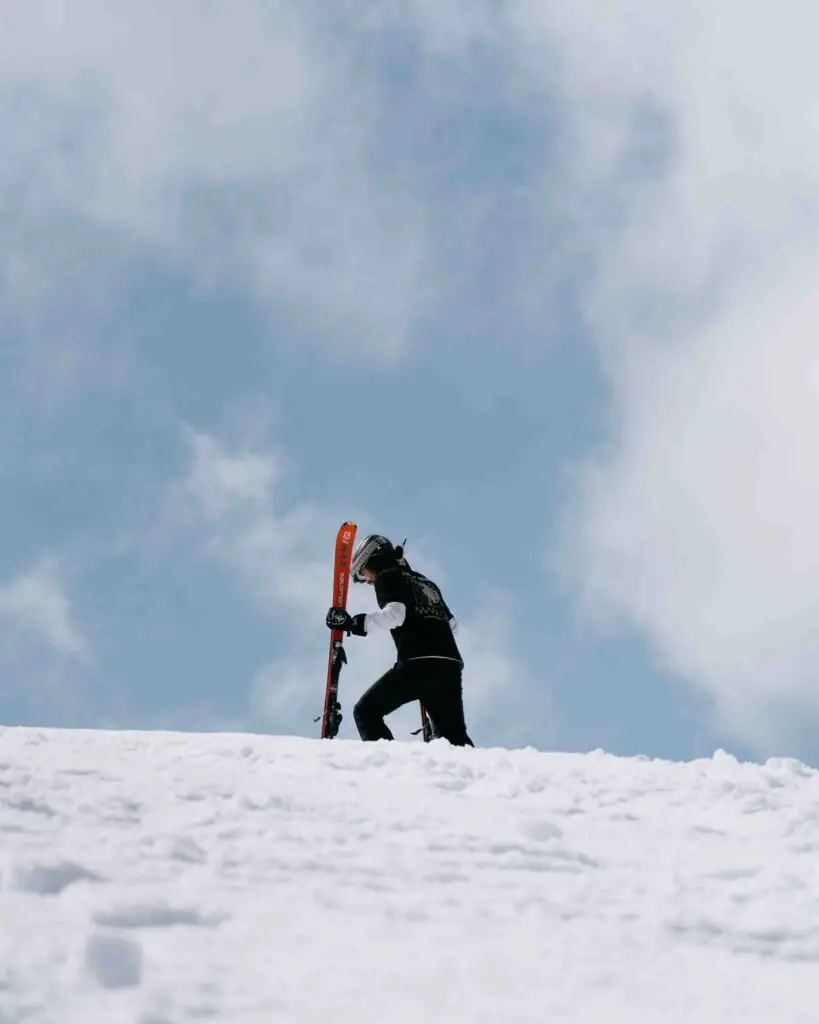
Japan is most famous for its incredible powder skiing, with around 500 resorts up and down the country to allow skiers and snowboarders to snorkel their way through some of the deepest snow in the world.
But that doesn’t mean you have to be chasing powder to work a ski season in Japan.
Working a ski season in Japan is a great opportunity to spend time in a foreign country, meet new people and travel slow.
With Japan’s rise in popularity and increase in tourism, being able to visit (which everyone should!) and slow down your travels, is a great opportunity to see a different side of the country.
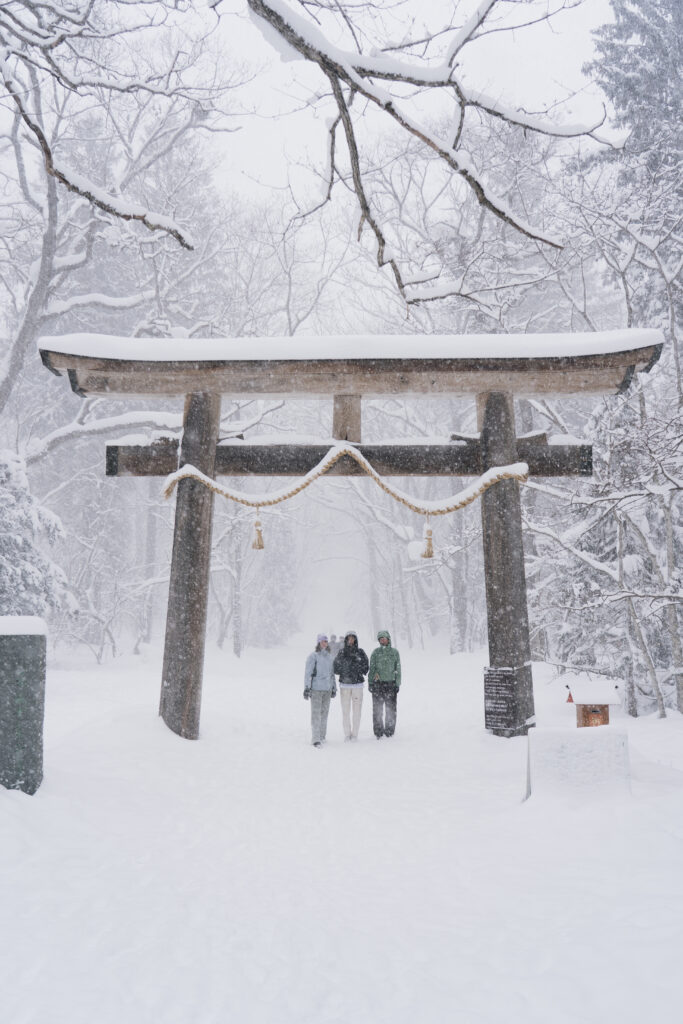
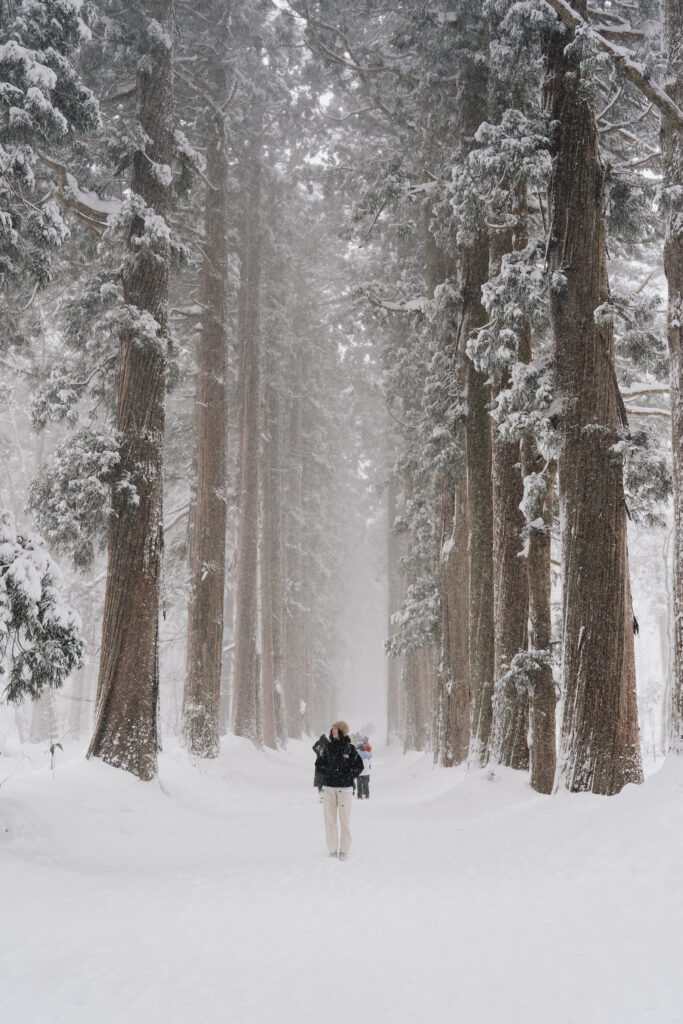
The majority of the people we worked with in Nozawa had skied before. But there were a few who were seeing snow for the first time!
They got to experience the joys of learning to ski in a tiny Japanese village surrounded by ramen and onsens.
The only down side of learning to ski in Japan…
All other ski destinations will feel inferior.
Why We Chose Nozawa for our Ski Season in Japan (Over Niseko & Hakuba)
The real reason Nozawa was on our radar was because of a girl we met on a 3 day boat trip from El Nido to Coron in the Philippines. We’d never even heard of the village and had no idea what job opportunities there were.
It was only when we decided to seriously quit our jobs (again) and move to Japan that we started to look into which ski resort we fancied.
We’d heard of Niseko and Hakuba which meant that we also knew just how popular they were. Niseko is even getting the name ‘Bali on ice’ due to how popular it is with Australians. I think it was just how little we originally knew about Nozawa that first drew us in.
And whilst job opportunities in bigger resorts might be easier to get, due to big hotel chains. The work sounds more full on. With long shifts and potentially less time on the mountain.
Nozawa felt much more like a cosy Japanese village that just happens to have a ski resort attached. No big companies, no conglomerates. Not even a Lawson!
It’s that cosy feeling that drew us to Noz.
Nozawa also happens to host the Dosojin Fire Festival every 15th January. One of Japan’s most dramatic winter festivals, it’s been running for over 300 years and involves the village men defending a giant wooden shrine from being set alight by torchbearers. It’s loud, chaotic, and genuinely unlike anything we’d ever seen. Getting to witness it in person was something we hadn’t even considered when we first applied for the season, and it just happened to fall the day after my birthday!
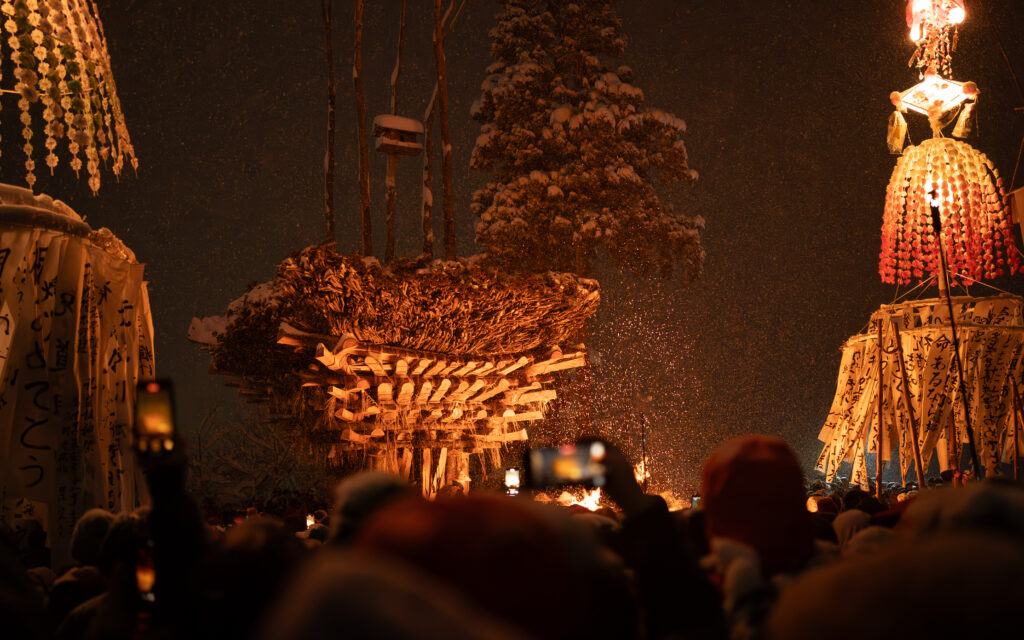
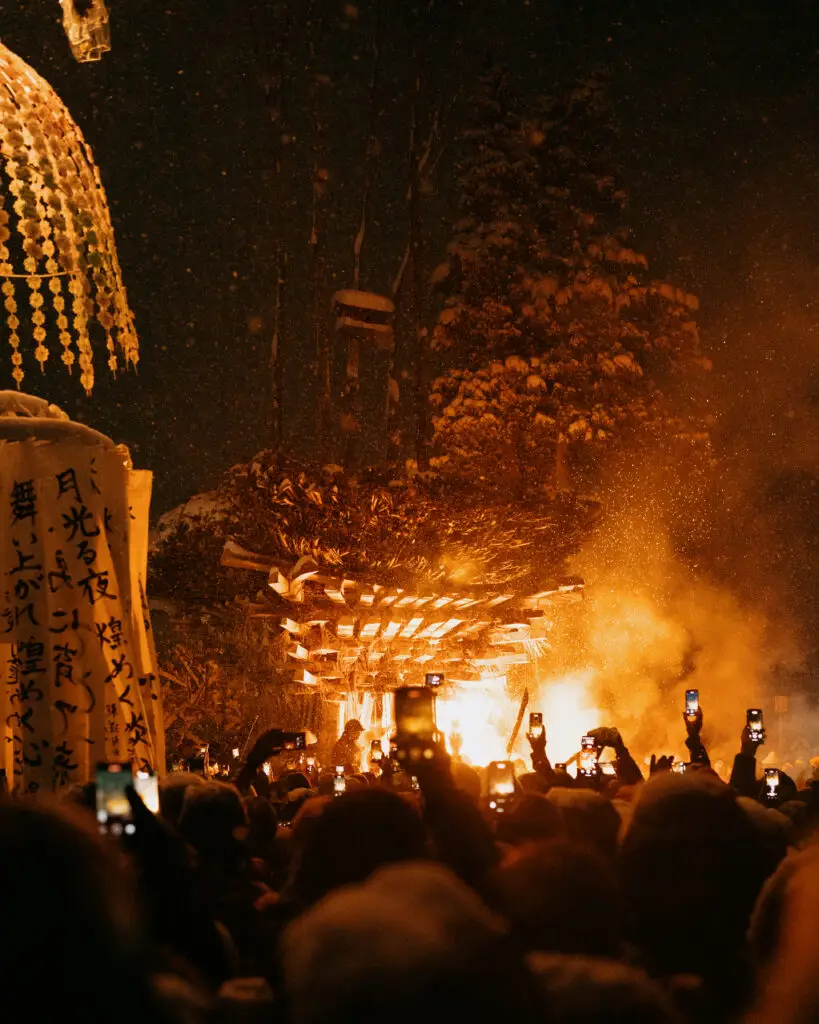
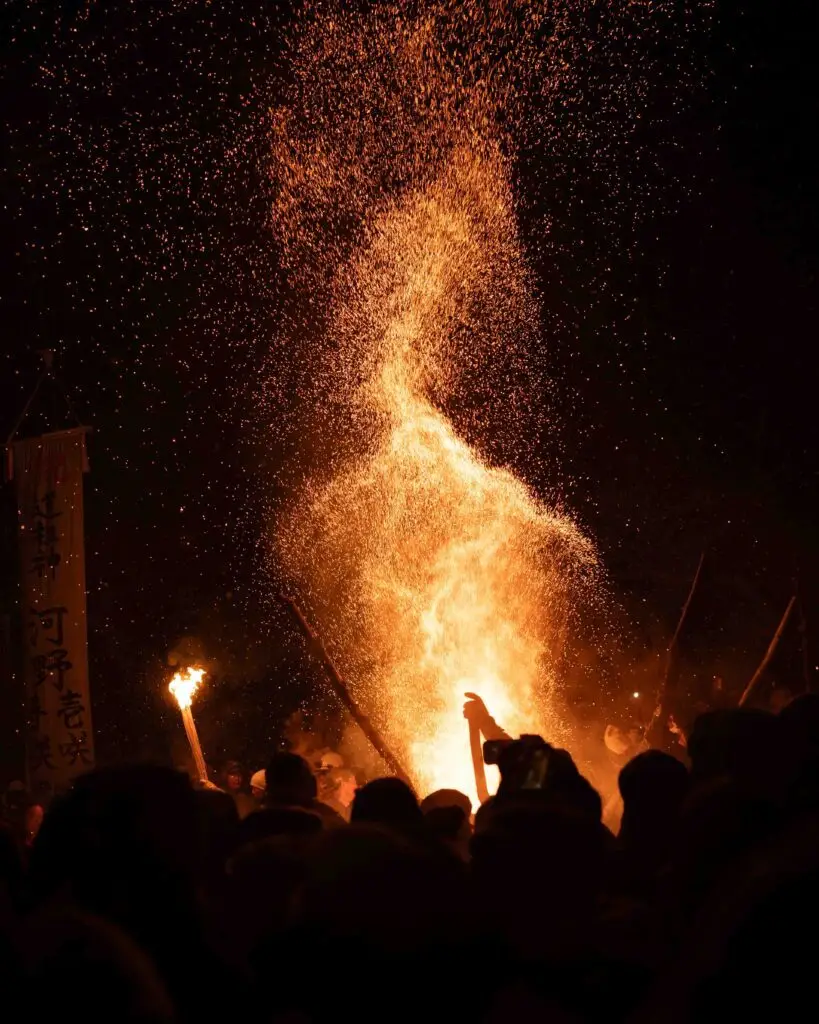
Nozawa Onsen Fire Festival
What is the Night Life Like in Nozawa Onsen?
If you’re chasing crazy après and big club nights, Japan probably isn’t the place. Even the bigger resorts like Niseko and Hakuba don’t have the same energy as the Alps, and Nozawa is a step further down that scale again.
But that’s not a bad thing!
A season in Nozawa is more about the slow afternoons and a few drinks with friends than it is about big nights out. Some of our fondest memories from the whole season were finishing skiing at 2pm and heading straight to The Craftroom for après pints and a panini. It became such a ritual we started calling it the ‘Crafternoon.’ A quick soak in the onsen after, then into our evening shift.
Honestly, that routine never got old and was sometimes the main reason I’d head to the mountain.
What Jobs Are Available for English Speakers?
The working holiday visa feels like it was built for working a ski season in Japan.
Japan isn’t particularly known for its English speaking workforce. Which means that there aren’t a lot of jobs you can do as a non-japanese speaker. So coming over on a WHV and trying to find work can be tough.
That’s where seasonaire work comes in.
Because these towns and villages get such a high influx of English speaking tourists for a very short period of time. They are actively looking for temporary English speaking staff to help run their business.
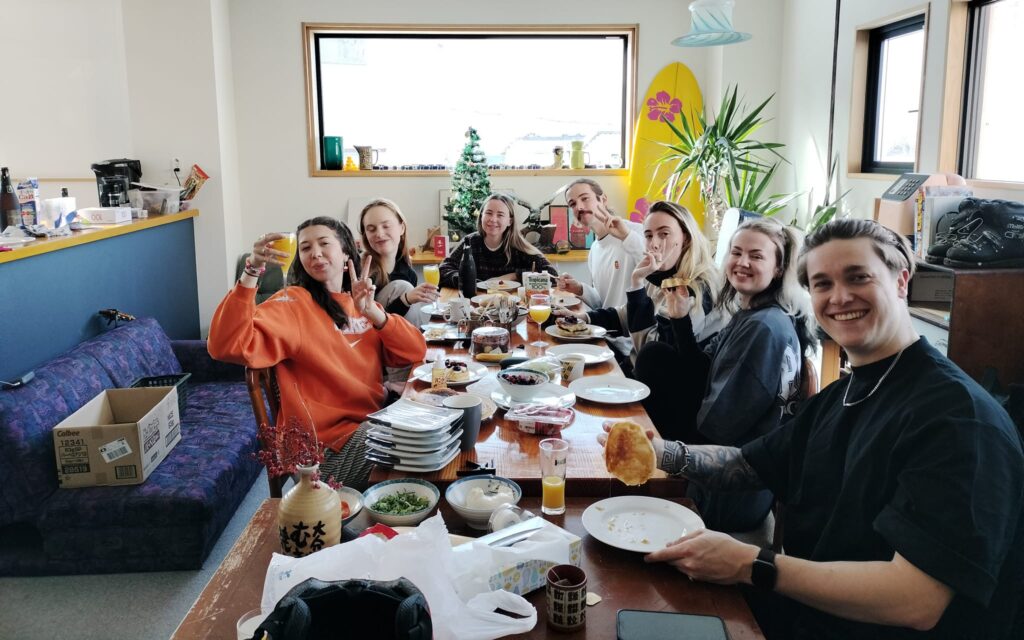
Christmas morning with friends in our shared staff house.
The ski season jobs in Japan are pretty much the same as any other ski resort in any other country.
That includes mountain facing roles such as ski instructing, lift operation, ski rental. Or more traditional hospitality roles such as servicing apartments, working in a cafe or restaurant, and pulling pints in a bar.
Most of these roles will specifically ask for English speakers, but it also doesn’t hurt to know another language!
We can’t recommend evening bar & restaurant work enough! Without a doubt the best role to work in a ski resort. We got to ski all day and then work in the evenings from 6pm-12am. Then straight back up the next day for a full day of skiing! It was perfect. We also only worked 4-5 days per week, with plenty of time off to visit neighbouring cities or ski resorts.
Yeh, the pay isn’t as good as a ski instructor’s. But having the freedom to ski all day, where you want, and how you want. Then clocking in for your shift when the lifts close is a sweet routine!

Evening hospitality work is the best kept secret of a Japan ski season.
How to Find Work in a Japanese Ski Resort
Already convinced about working a ski season in Japan? Then you’re probably wondering how to get a job in a Japanese ski resort.
Whilst we can’t really speak on the experience of finding a job at bigger resorts. It’s definitely worth seeing what hotels/companies operate in the resort of your choice, and reaching out to them. Big chains like The Hilton will have job listings in places like Niseko.
If you’re wanting something more low key then we recommend using Workaway. That’s how we found our job! Workaway allows travellers to connect with hosts, and work for them typically in exchange for free accommodation.
When we applied we were mostly looking at hotel/apartment cleaning jobs that offered a salary. I’d say around 80% of the jobs we applied for responded and we interviewed with two of them. The interviews were very informal, just a quick call, mostly to make sure we understood the workload and checked that we were real people.
In the end we chose the one that seemed the most appealing to us which was working in a bar and restaurant.
The best part about it was that working hours were in the evening. Which meant skiing all day!
If you’re not having much luck with Workaway or Worldpackers, we’d suggest reaching out to local restaurants, cafes, hotels, etc. directly, and see if they’re hiring. Aim to apply around July-August as that’s when most places start looking for workers.
If you have any questions on the job hunting aspect of working a ski season in Japan, drop a comment below.
Do You Need a Visa to Work a Ski Season in Japan?
Doing any form of work in Japan, even if it’s just for free accommodation/meals (no salary) still requires some kind of Japanese work visa.
Now, how enforced that is and how much of a risk you or an employer is willing to take is a different story.
We visited Japan on a working holiday visa which allowed us to work and live in Japan for up to 12 months. You can check the MoFA in Japan to see if your country has a working holiday programme with Japan.
If you’re one of the lucky ones that do, we’ve written a step-by-step guide on how to apply for a Working Holiday Visa in Japan.
Getting the visa is only the first step. Once you arrive, there are several practical things to organise, from registering your address to setting up a bank account and getting connected. We cover these steps in our complete moving to Japan working holiday visa checklist.
How Much Do Ski Resort Jobs in Japan Pay?
If you’re familiar at all with the current state of Japan’s economy it won’t shock you to know that the wages aren’t great.
The average minimum wage in Japan is ¥1100 or around £5.15. In reality we were working around 30 hours/week and bringing in around £600/month each. This might sound shockingly low at first, but don’t worry!
The cost of living in Japan is actually pretty low by western standards, and a fresh bowl of ramen can go for as little as ¥800 or £3.75. And with heavily subsidised staff housing or even free housing in some cases, you can really keep your main costs down. One of the things we struggled to budget was the meals and nights out with the crew. We drank a lot of our money away!
If you want to see a full breakdown of how much we earnt and how much the ski season cost, we’ve got you covered. Check out our Full Cost Breakdown for a Ski Season in Japan
The Reality of Working a Ski Season in Japan
By now we’ve covered the practical stuff: the jobs, the visa, the money and where you’ll probably end up living. But none of those things are what we remember most from our season in Japan.
What sticks with us is the people.
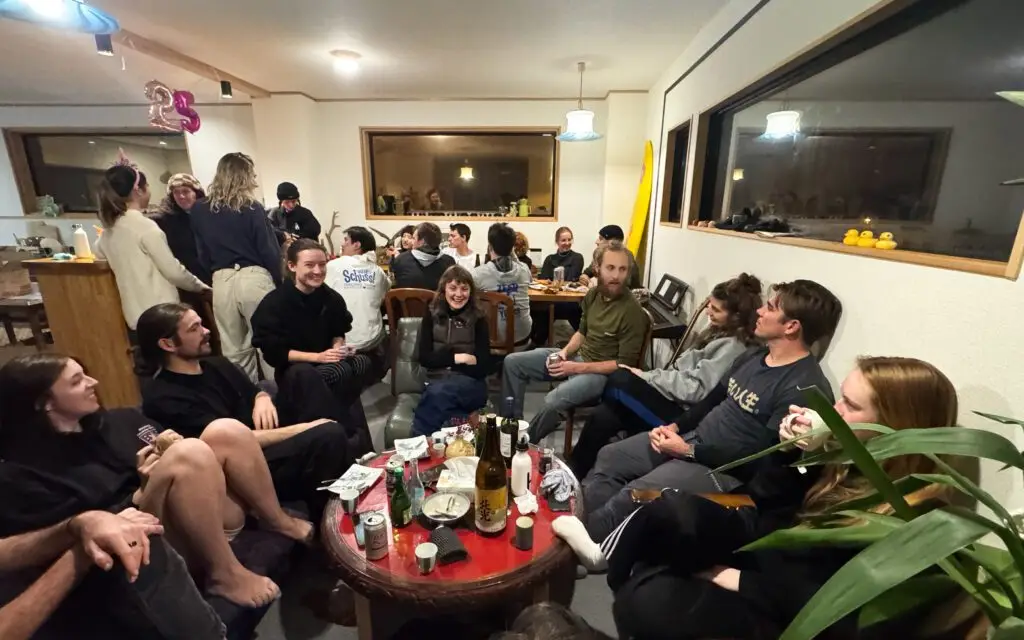
Living with 22 other people might sound like a nightmare at first, but honestly it was the highlight of the entire season. Most nights we’d cook for ourselves, but Sarah has a habit of turning a meal for two into a sit-down dinner for twelve. Before long, big group dinners became a regular thing.
We had house parties that somehow ended with half the village showing up, and at least one visit from the local police checking we weren’t running an illegal bar. We weren’t… Probably.
We celebrated birthdays, Christmas, New Year. All of it together with people we’d only met a few weeks earlier, yet somehow couldn’t imagine the season without them.
And that’s the thing nobody really tells you about working a ski season in Japan.
The skiing is incredible. The powder is everything you’ve heard it is. The onsens, the food, the mountain views. They’re all amazing. But it’s the people you meet that stays with you.


The hardest part about working a ski season in Japan isn’t the work itself.
It’s leaving.
Since wrapping up the season and moving on to other travel plans, we’ve talked constantly about going back for another winter. That’s the impression it left on us.
We’re almost scared to work a ski season anywhere else in case it doesn’t live up to the experience we had in Japan. We genuinely feel like we’ve been spoiled.
From living in a chaotic but wholesome house with 22 other people, to home-cooked meals from our boss, Tatsumi-san, life feels a little emptier without the rhythm of skiing all day and working or partying all night.
The only thing we don’t miss is the snow shovelling. But that’s the price you pay for incredible powder skiing!
Is Working a Ski Season in Japan Worth It?
Abso-fricking-lutely.
We went in with zero expectations and came out with some of the best memories of our lives. The skiing alone would have been enough. But the people, the food, the village, the onsen. That’s what turned a good season into an unforgettable one.
Is it going to make you rich? No.
Is it going to change how you think about travel, work and what actually matters? Almost certainly.
If you’re thinking of working a ski season in Japan but the money side of things is holding you back, check out our full cost breakdown of the 2024/25 season. See how we spent less than £10 each per day. If the visa is on your mind, our step-by-step Japan WHV guide has everything you need
The only thing left to do is apply!
Frequently Asked Questions For Working a Ski Season in Japan
Do you need experience to work a ski season in Japan?
Not at all. Most hospitality roles require zero experience. We'd never done a season before and had no problem finding work. Instructing roles are the exception as those require qualifications.
When should you apply for ski season jobs in Japan?
July to August is your sweet spot. The season runs December to April so don't leave it late. The earlier you apply, the more choices you have.
Do you need to speak Japanese to work a ski season in Japan?
No. Resorts like Nozawa actively look for English speakers. A few words of Japanese go a long way with locals though as they genuinely appreciate the effort.
How long is a typical Japan ski season?
Usually late November or December through to late March or early April. Around three to four months depending on snowfall.
Can you ski on your days off?
Absolutely. Working evenings makes this even easier. Ski all day, work all evening. It's as good as it sounds.
Is Nozawa Onsen better than Niseko for a ski season?
Depends what you want. Niseko is bigger with more job options. Nozawa is smaller, more authentic, and has a brilliant community feel. For us it was a no brainer but both are great choices.
How much does it cost to get set up for a ski season in Japan?
Budget for flights, visa costs, initial accommodation deposit, and living expenses until your first paycheck. Most people need at least £1,000-£1,500 in savings to cover the gap before getting paid.
What visa do you need to work a ski season in Japan?
Most seasonaires use a Working Holiday Visa, available to citizens of certain countries aged 18-30 (sometimes 35). Check eligibility early as some countries have annual quotas that fill quickly.
Is accommodation provided for ski season jobs in Japan?
Often yes, especially with larger employers. It's usually shared staff housing, sometimes with a deduction from your wages. Always confirm what's included before accepting a job.
What’s the best resort in Japan for a first-time seasonaire?
Nozawa Onsen and Hakuba are popular for beginners thanks to strong English-speaking employer networks, established seasonaire communities, and good public transport links.
Can you save money working a ski season in Japan?
Yes, though it depends on accommodation costs and lifestyle. Many seasonaires break even or save a little, with the real value being the experience, skiing, and travel rather than big earnings.
Do you need travel insurance for a ski season in Japan?
Yes, but perhaps not essential. Make sure your policy covers winter sports, work activities, and has adequate medical cover. On a WHV you'll be enrolled in the national health scheme, which covers 70% of medical costs. We still recommend having your own winter sports travel insurance for the remaining costs and any incidents on the slopes.
Related Posts
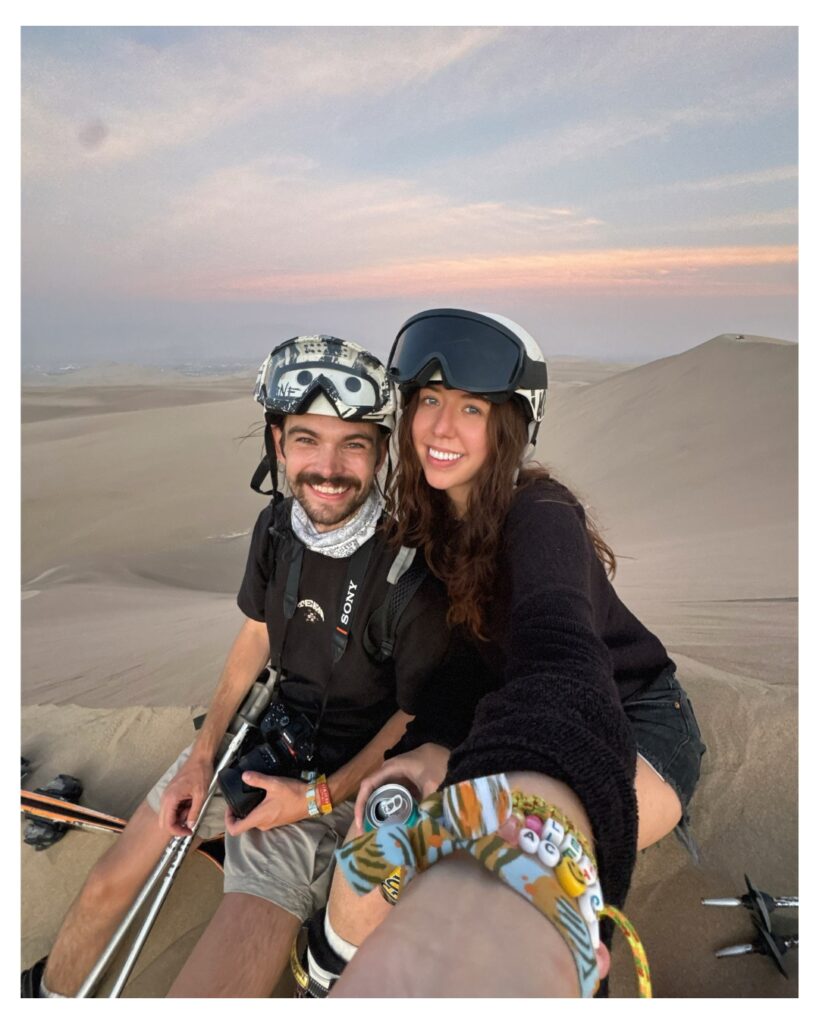
Hi! We’re Mark & Sarah.
We’ve been travelling the world together for the past 4 years. Exploring destinations such as Europe, South America, South East Asia, Japan and Australia. Now we’re sharing everything we’ve learned on our travels, to help you get out there and have your own adventures!