How to Get a Suica Card in Japan (2026): Set It Up in Apple Wallet Before You Land
- Last Updated On July 22, 2026
Disclaimer: Some of the links on this site are affiliate links. This means I may earn a small commission if you make a purchase through them at no extra cost to you. I only recommend things I genuinely use or believe in.
We’ve spent over 10 months travelling around Japan, which means we frequently get asked by friends and family, ‘Where should we visit?’ ‘Where should we eat? ‘What should we do?’ And something I include in every guide or piece of advice is to GET A SUICA CARD! It’s literally the first thing I tell people to do, followed by get an eSIM!
You can do both before you even get on the plane!
Japan is such a vast country with an incredible world-class public transport system. Whether you’re just visiting Tokyo, travelling the Golden Triangle, or journeying to remote Japanese villages. You’re going to be using the intricate network of public transport one way or another.
If you’re reading this guide, there’s a good chance you’re already familiar with Japan’s most popular form of transit.
Trains.
I can’t imagine a trip to Japan where you don’t take at least one train. Even if you only visited Tokyo, you’d still need to catch several trains a day. So, to make the whole process of rail travel easier Japan has Suica cards.
Contents
ToggleWhat is a Suica Card?
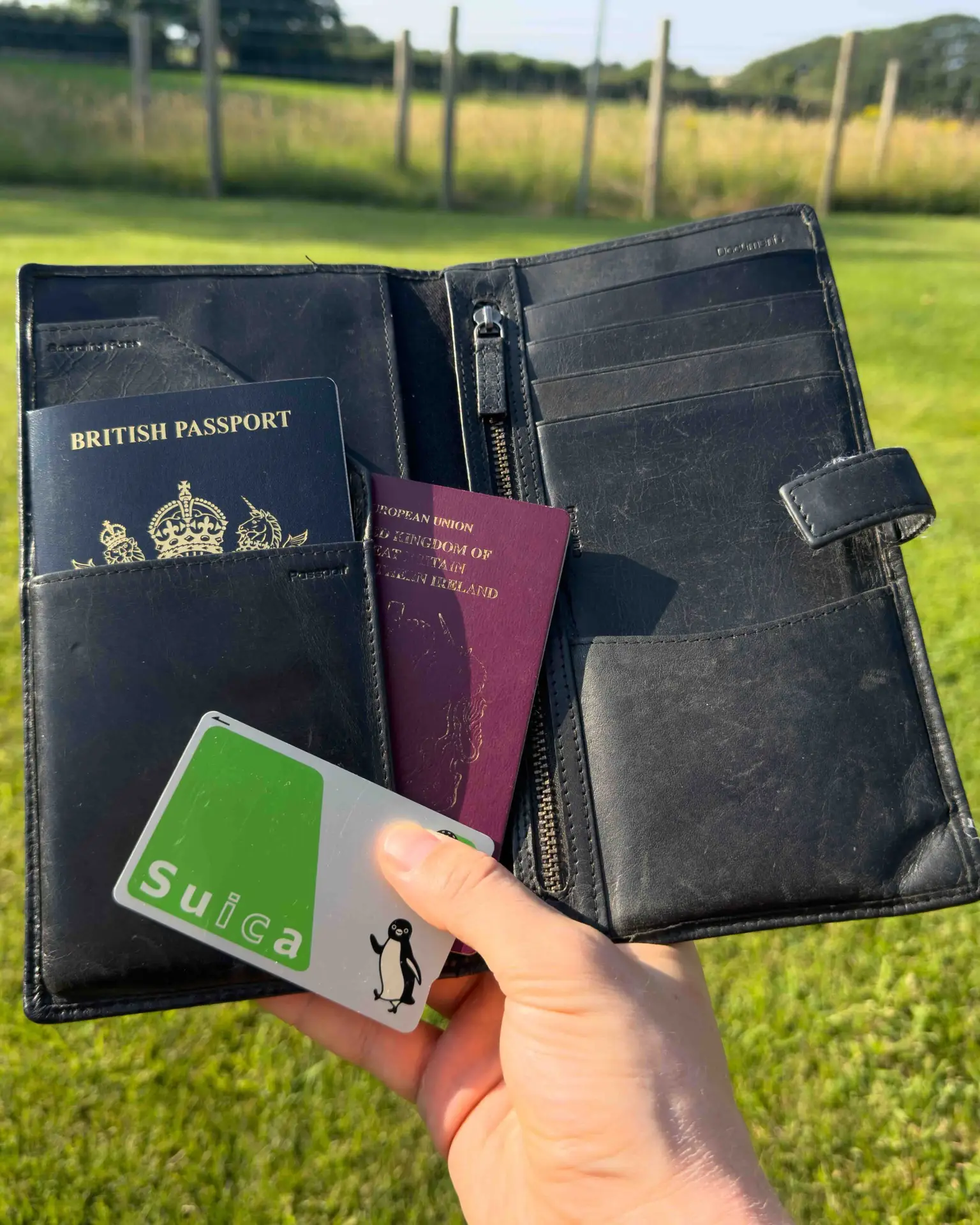
A Suica card is the rechargeable IC card every visitor to Japan needs, letting you pay for almost everything, or at least the things that matter.
Instead of having to fumble around with coins at station ticket machines, a Suica card lets you tap on and off on trains and buses all over Japan. There are some rural areas which still rely on traditional tickets, but for the typical Japan visitor you’re going to be constantly using a Suica card.
You can even connect it to your Apple Wallet and top it up via your debit card, all within the Apple Wallet app.
The one thing to watch out for is that you can’t use your Suica card on the shinkansen, at least not without jumping through some hoops first. Keep reading to find out how you can connect your Suica card to your shinkansen ticket!
Do I need a Suica Card for Japan?
Travelling Japan without a Suica card is going to be cumbersome. Having to navigate the train ticket machines everyday whilst someone is breathing down your neck in the queue behind you is not how you want to spend your time in Japan.
Having a Suica card allows you to travel like a local and simply tap on and off of public transport, giving you more time to see the things you actually came to see.
Suica cards aren’t just limited to public transportation though. Various convenience stores (konbini) like 7-11, Lawson and FamilyMart (the holy trinity) all accept Suica as a form of payment. So, you can shop till your hearts content and try all kinds of crazy konbini snacks, without having to use cash or worry that your foreign debit card will be declined.
This even extends to some vending machines in Japan, particularly in popular tourist areas such as Senso-Ji in Tokyo. More and more vending machines are adding a cashless option where you can simply tap and pay by Suica for hot & cold drinks. Something we were grateful for on the scorching hot summer days in Tokyo!

Sarah arriving at Iiyama Station using a Suica Card on the Shinkansen. Ready for the ski season!
How to get a Suica Card
Suica Card Apple Wallet Setup
The easiest way to acquire a Suica card is through your Apple Wallet.
You simply open your Apple Wallet, click the little plus symbol, select ‘Travel Card’, scroll down to Japan and select Suica.
Done!
Now you can add funds to your Suica card by using whatever debit card you have setup within your Apple Wallet. Just make sure you have a good travel debit card loaded in your Apple Wallet. Lots of debit cards charge a foreign transaction fee. That means when you top up your Suica in Yen, your card will charge you for the conversion from your local currency.
We use Chase & Revolut as our go to travel cards as they have a 0% foreign transaction fee and use Mastercard/Visa conversion rates at the time of conversion. Meaning you’re not paying over the odds for your currency.
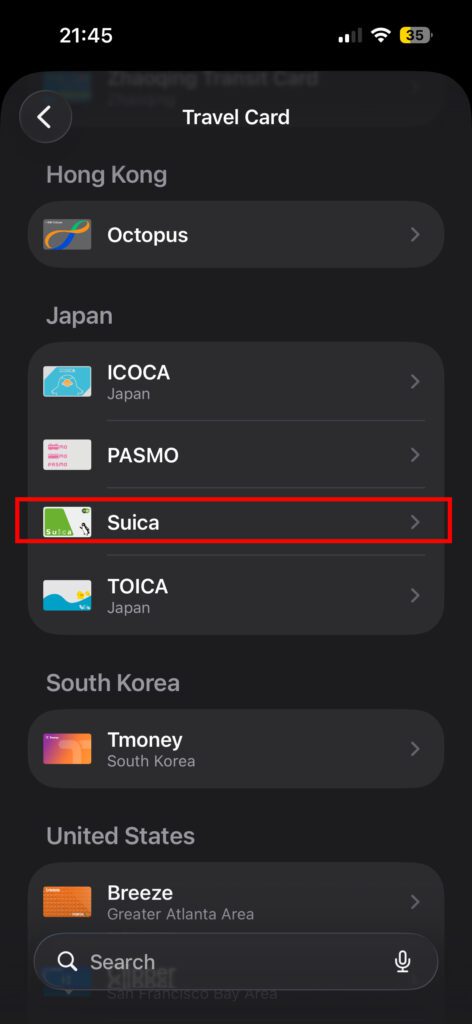
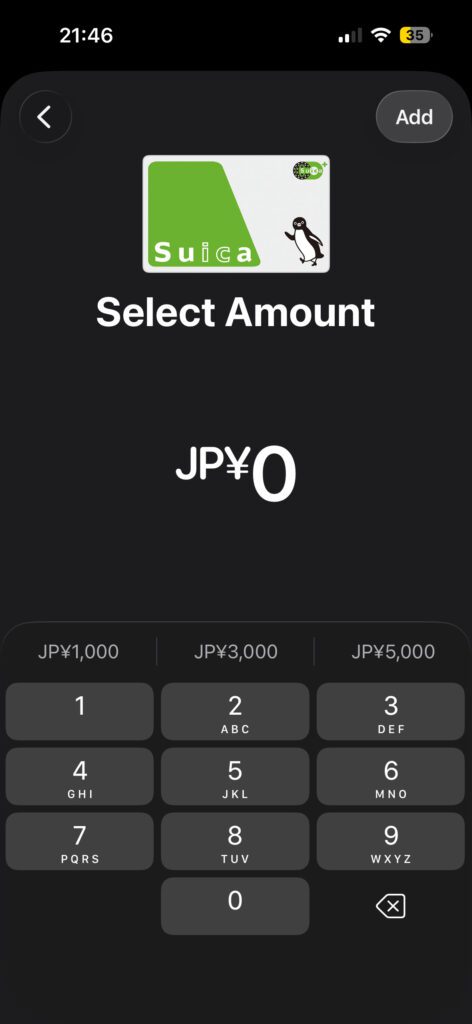
Suica card Apple Wallet setup and top-up screen
Physical Suica Card
If you don’t have a compatible iPhone, or you’re travelling with an Android device, a physical Suica card is your next best option.
You can buy one directly from ticket machines at most major train stations, including Narita and Haneda airports, so you can pick one up the moment you land. Look for the green Suica logo on the touchscreen ticket machines, select English, and follow the prompts to purchase and top up your card.
You’ll need to pay a refundable ¥500 deposit, which gets added on top of however much credit you load. This deposit is returned to you if you hand the card back in before you leave Japan, along with any remaining balance (minus a small handling fee).
Or keep the card as a little souvenir!
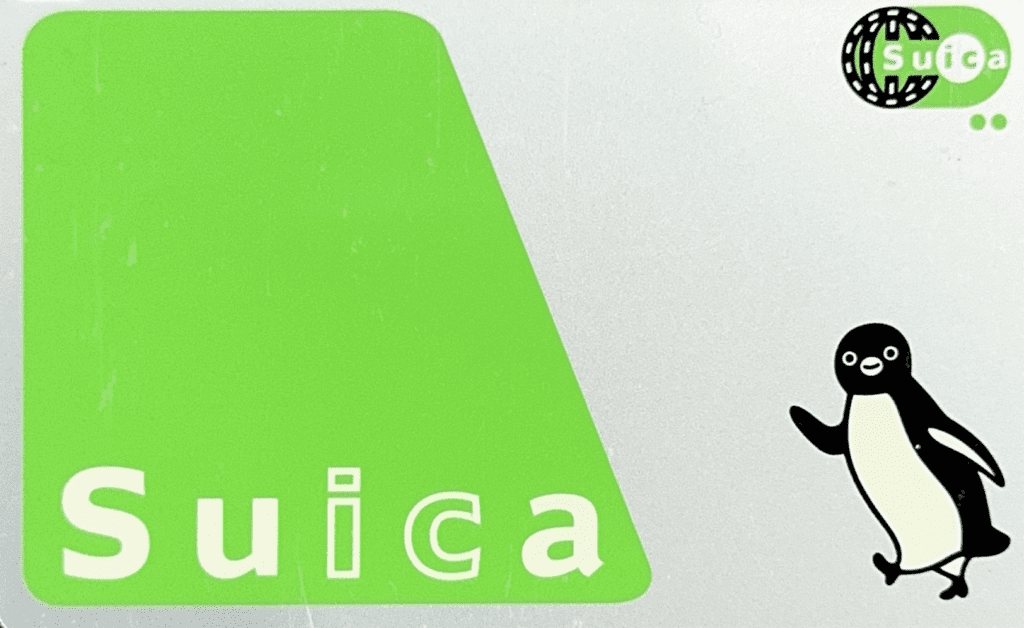
Heads up: Japan has faced an ongoing shortage of physical IC cards in recent years. Some stations have temporarily restricted sales of unregistered Suica cards to tourists. If this happens, look out for the “Welcome Suica” card, a tourist-specific version that doesn’t require the deposit but expires after 28 days, perfect if you’re only in Japan for a short trip.
How to use your Suica Card in Japan
This is the easy bit!
Whether you’re tapping through a train station in Tokyo or boarding a local bus simply tap through the gate at the train station or as you enter the bus. This records where you boarded the transport service. Then simply tap on as you leave and you’ll be charged the set fare.
Pro Tip: You don’t even have to have the Suica card open on your Apple Wallet, as long as you have it set as the default travel card within your wallet settings, simply scanning your locked phone over the gate reader will log your entry/exit. Saves time fumbling through your apps trying to find your Suica card.
Pro-Pro Tip: Even if your phone is out of juice the NFC reader still works. So, if you’re catching the first train after a night out in Shinjuku with a depleted battery, you can still get home safely! Just tap your seemingly useless brick and on you go.
It’s that simple!
Can You Use a Suica Card on the Shinkansen?
One of the most common questions we get about using a Suica card on the shinkansen is whether it works the same way as local trains. It doesn’t, at least not without a workaround.
Every time I travel through Tokyo, Kyoto and Shin-Osaka I see groups of tourists waiting in line at ticket machines trying to purchase their shinkansen ticket. They’re not wrong for doing it like this! Buying your ticket directly with the trainline is often the cheapest and best way to do it. However, what a lot of people don’t know is that you can book your ticket in advance and connect it to your Suica card at no extra cost.
The trick to this is to book your shinkansen through Smart EX when travelling between Tokyo, Nagoya, Kyoto, Osaka and more. This is the official shinkansen website for the Tokaido, Sanyo & Kyushu lines (the most popular routes for tourists in Japan). Booking through their website gives you the exact same fare as you would at the ticket machine. Unlike third party booking systems like NaviTime & Klook which charge a premium.
You have to create an account to make a booking and keep a card on file to confirm you’re a real person. Once you’re setup you can book your shinkansen ticket without having to arrive at the station early or queue up for your ticket.
Their website is super handy with reservation guides and boarding guides. Perfect for first time visitors to Japan.
After booking your ticket you’ll be prompted to attach an IC card to each passenger’s ticket. Just enter your Suica card number and you’re all set! Now you can simply walk through the shinkansen gates with a tap of your Suica card.
You can find your Suica card number either on the back of your physical Suica card or by downloading the Suica app on your phone.
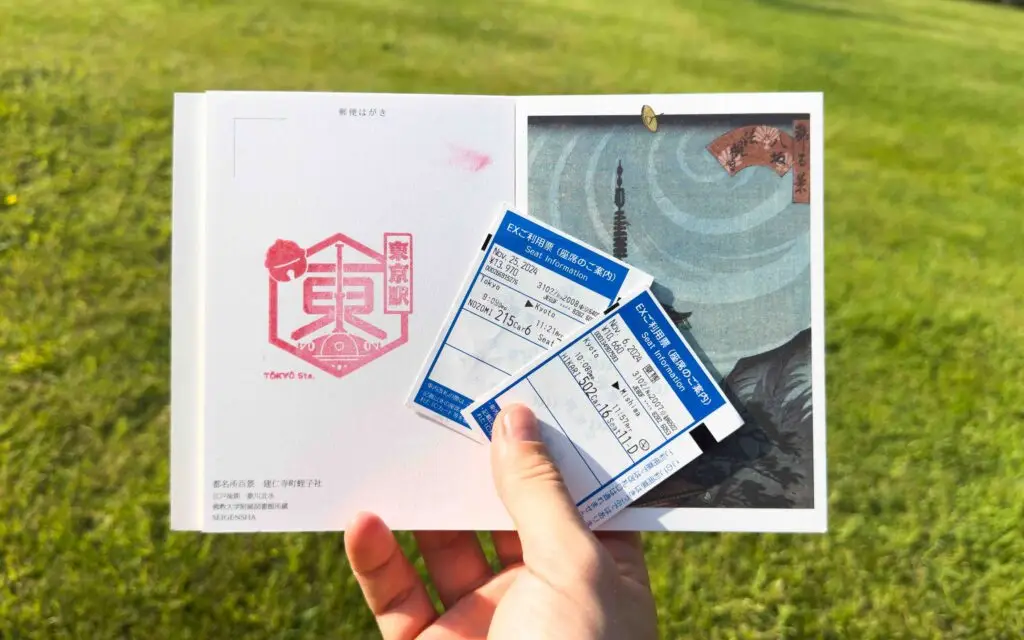
As you tap through, the gate will print a little seat number ticket you can grab on your way through the gate.
No queues, guaranteed availability, and a smooth process.
Getting a Suica card in Japan really is one of the easiest things you can do to make your trip smoother. Whether you’re navigating Tokyo’s subway or catching the shinkansen to Kyoto, a Suica card is going to make the whole process easier!
If there’s one thing worth doing before you even land, it’s get a Suica card for Japan.
Planning Your Trip to Japan
Still in the planning stages of your Japan trip? Check out our guides below.
- Tokyo – 5-Day Itinerary
- Tokyo – Where to Stay in Tokyo
- Tokyo – Best Day Trips from Tokyo
- Nozawa Onsen – Guide to Nozawa Onsen
- Nozawa Onsen – Where to Stay in Nozawa Onsen
- Kyoto – 3-Day Kyoto Itinerary
- Kyoto – Where to Stay in Kyoto
More to come!
Frequently Asked Questions About Suica Card Japan
Do I need a Suica card for Japan?
You don't strictly need one, but it makes travelling around Japan far easier. Without it, you'll be relying on paper tickets and fare machines at every station, which gets tedious fast, especially in cities with complex transit networks like Tokyo.
Can I use a Suica card on the shinkansen?
Not directly at the ticket gate the way you would on a normal train, but you can link your booked shinkansen ticket to your Suica card through Smart EX, which lets you tap straight through the gates without printing a paper ticket. See our step-by-step Smart EX guide above.
What’s the difference between Suica and Pasmo?
Suica and Pasmo are both rechargeable IC cards and function almost identically. Suica is issued by JR East, while Pasmo is issued by Tokyo's private railways and bus operators, but both work interchangeably on nearly all public transport across Japan.
Does Suica work outside of Tokyo?
Yes. Suica is part of a nationwide IC card network and works on most public transport, in convenience stores, and at compatible vending machines across the country, including Osaka, Kyoto, and Nagoya. Some rural lines still rely on traditional paper tickets.
Can I use Suica to pay for things other than transport?
Yes. Suica is accepted at convenience stores like 7-Eleven, Lawson, and FamilyMart, plus many vending machines and some shops, particularly around major train stations and tourist areas.
Is there a fee to get a Suica card?
Setting up a Suica card in Apple Wallet is free. Physical cards typically require a refundable ¥500 deposit, which you get back if you return the card before leaving Japan. Physical cards faced a supply shortage for a couple of years due to a global chip shortage, but regular sales resumed in 2025 and cards are widely available at JR East stations again.
Can I get a Suica card on Android?
Not in the same way as Apple Wallet. Mobile Suica is available through Google Pay or Google Wallet on some Android devices, but support varies depending on your phone model and region, so it isn't guaranteed to work for foreign visitors. The simplest and most reliable option for Android users is to get a physical Suica card when you land, which works exactly the same way once it's topped up.
Related Posts


Hi! We’re Mark & Sarah.
We’ve been travelling the world together for the past 4 years. Exploring destinations such as Europe, South America, South East Asia, Japan and Australia. Now we’re sharing everything we’ve learned on our travels, to help you get out there and have your own adventures!