Where to Stay in Tokyo: Shinjuku or Shibuya (Plus Surprise Location)
- Last Updated On August 6, 2026
Disclaimer: Some of the links on this site are affiliate links. This means I may earn a small commission if you make a purchase through them at no extra cost to you. I only recommend things I genuinely use or believe in.
Deciding where to base yourself in Tokyo can make or break a trip. We’ve learnt this from experience. On our first trip to Japan we were woefully unprepared and booked our first accommodation in Tokyo about 2 or 3 train rides away from any popular attraction. Sure the trains are punctual and frequent, but when you’ve racked up 20,000 steps in a day and just want to be horizontal, that lengthy commute back is a nightmare.
After living in Japan for 10 months and spending an accumulated 3 months in Tokyo alone, we’ve now got a good idea of where you should stay in Tokyo to make the most of your trip!
In a Rush? Here Are Our Favourite Hotels in Tokyo
Contents
ToggleWhy Choosing the Right Area Matters in Tokyo
Tokyo is not the kind of city you can just stumble around and see everything. It is vast! One of the biggest points we stress in our 5 day guide to Tokyo is to pick 1 or 2 areas of the city per day and tick off everything you want to see in one go. The last thing you want to be doing in Tokyo is spending hours going back and forth on the train.
And this is exactly why choosing where to stay matters. Tokyo’s trains are incredible, but even the easiest journey feels long when you’ve already walked 25,000 steps and your feet are screaming for mercy.
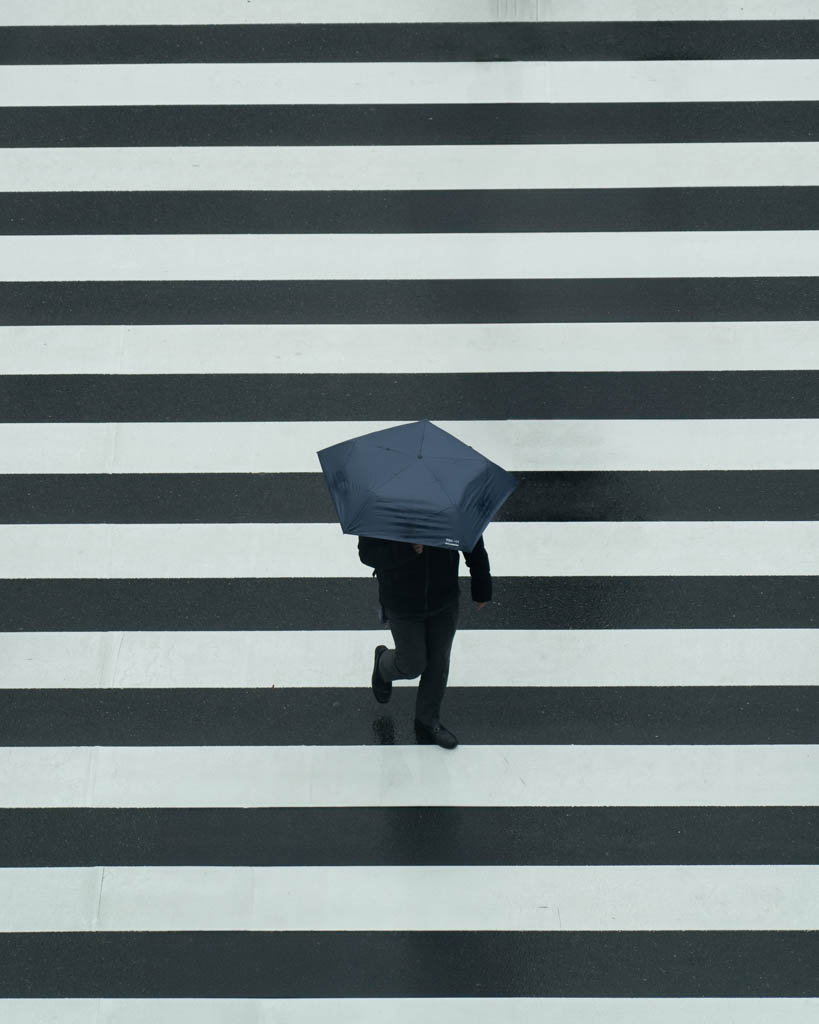
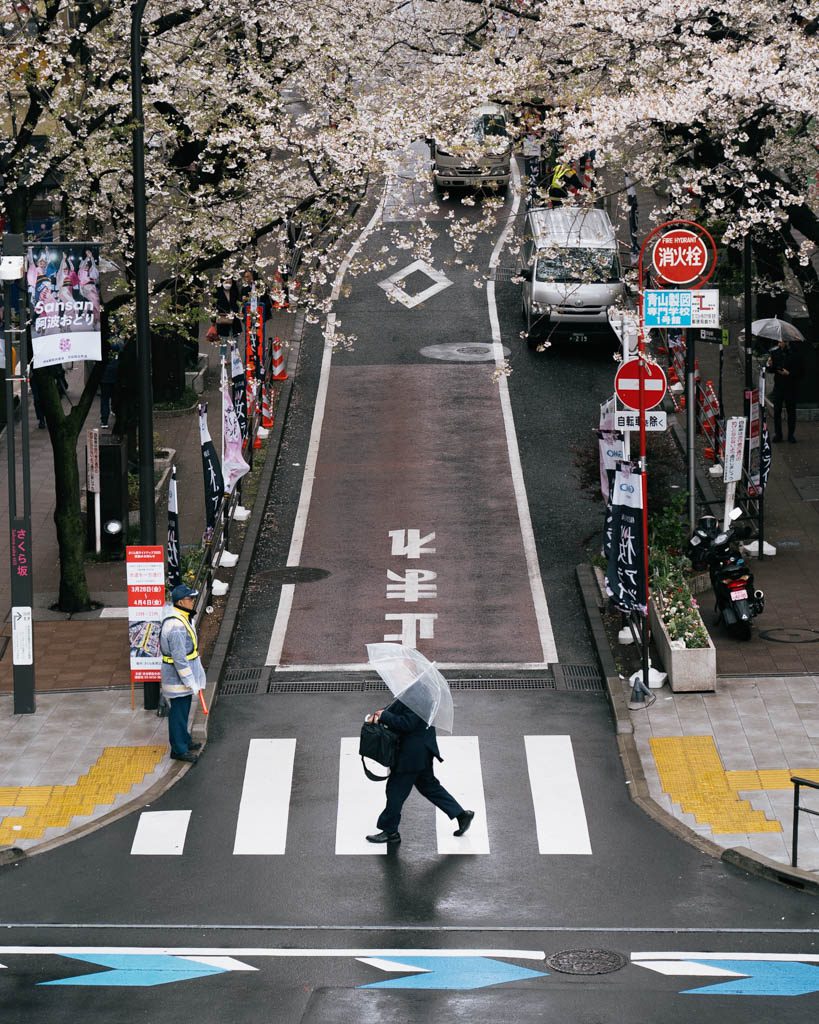
Tokyo is a city where you’ll probably spend most of your day walking. A lot! We were easily racking up 20-30,000 steps a day without even realising it. If it wasn’t for the deep fried food and copious amounts of rice, there would be nothing left of us.
One of our favourite days in Tokyo involves starting in Shinjuku Gyoen park, walking all the way to Meiji Jingu, through to Harajuku for shopping on cat street, before heading to Shibuya to dash across the crossing and catch the sunset from a free observation deck.
So choosing the right area to base yourself lets you optimise your sights per step!
This is why we recommend basing yourself in an area with great transport links and plenty to do nearby. For most first-time visitors, that means Shinjuku or Shibuya, but there is another area we think deserves a mention…
👉Planning a quick trip? See our 1-day Tokyo itinerary to optimise your time.
How Many Nights Should You Stay in Tokyo?
This can be a difficult question to answer because, even after spending three months in Tokyo, we still feel like there is so much more we want to see and do.
For first-time visitors, we always recommend aiming for at least 5 nights in Tokyo . That’s what we did on our first trip. This gives you enough time to settle in, overcome the jet lag, explore the main areas of the city and avoid feeling like you’re rushing from one attraction to the next.
The reality is, you’ll never run out of things to do in Tokyo. If you have the time, staying a little longer is definitely worthwhile.
Tokyo is an incredible base for exploring more of the surrounding area. We’ve taken day trips to Mt Fuji and Hakone, marvelling at the incredible views of Japan’s most iconic mountain. We’ve spent summer days relaxing on the beaches of Kamakura and hopped on a short train ride to Yokohama to ride the famous ferris wheel.
Shinjuku or Shibuya: Which is the Best Place to Stay in Tokyo?
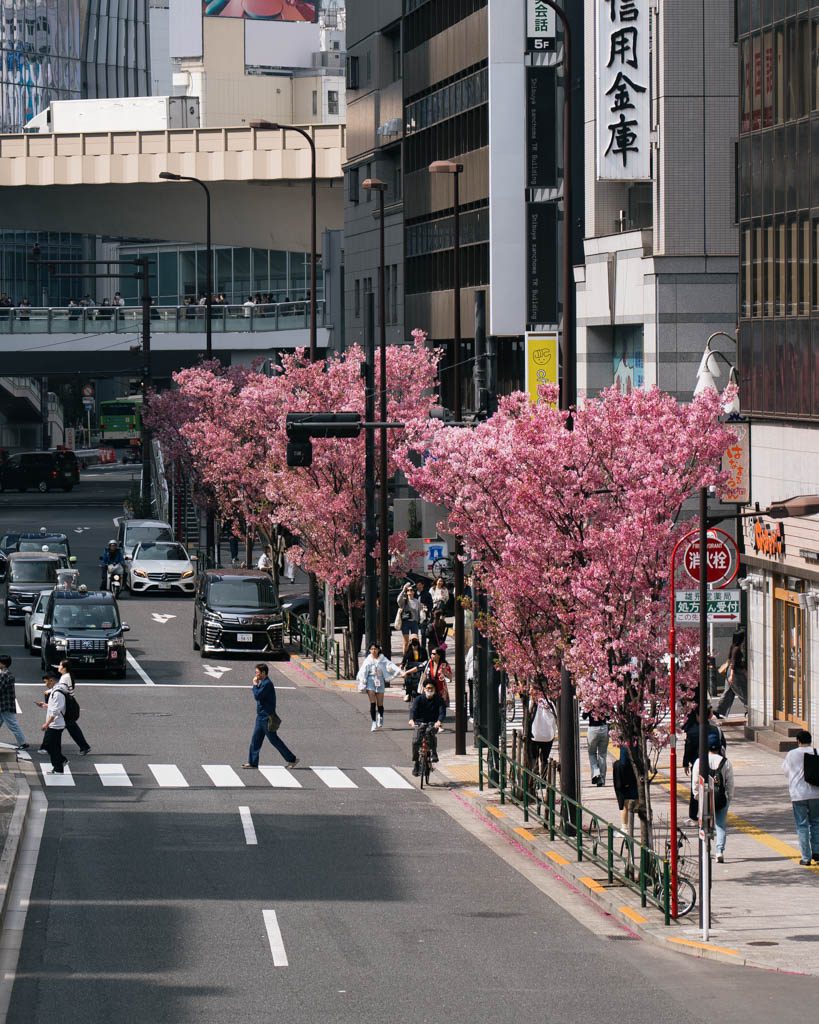
If Tokyo was a time lord with two hearts, these two would be it.
It should come as no surprise to many of you that Shinjuku and Shibuya are standout places to base yourself on your first trip to Tokyo. I know it’s cliche, but it’s for a good reason, trains. Not only are these two cities (technically special wards, but we call them cities) jam-packed with their own attractions which we’ll get into. They also have incredible public transport connections to everywhere a first time visitor to Tokyo needs to go.
Everything you could possibly need from Tokyo is in these two areas. As well as boasting their own must see attractions, they also have the best connections to the rest of the city. Making them the ideal base for 5 days in Tokyo.
Shinjuku and Shibuya have very different personalities though, and picking the right one for you comes down to what kind of trip you’re actually planning, not just which name you’ve heard more often. So let’s break down what each one actually offers, and why you might choose one over the other.
Things to do in Shinjuku and Why You Should Stay There
By day, Shinjuku Gyoen is one of our favourite places in the entire city. A genuinely peaceful park that feels a world away from the chaos of Tokyo, and one of the stops on our 5-Day Tokyo Itinerary for good reason.
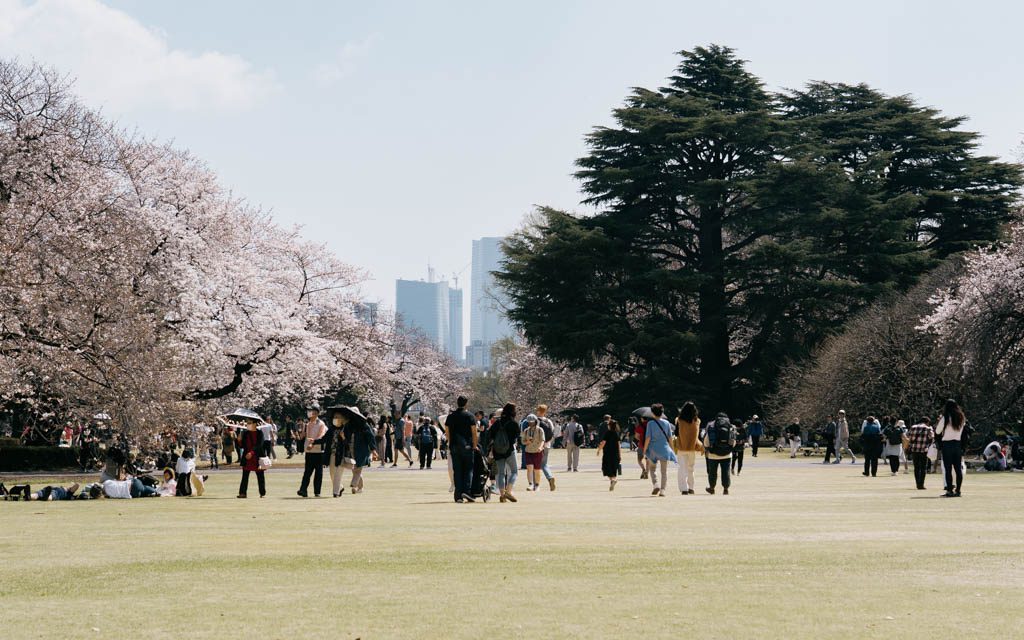
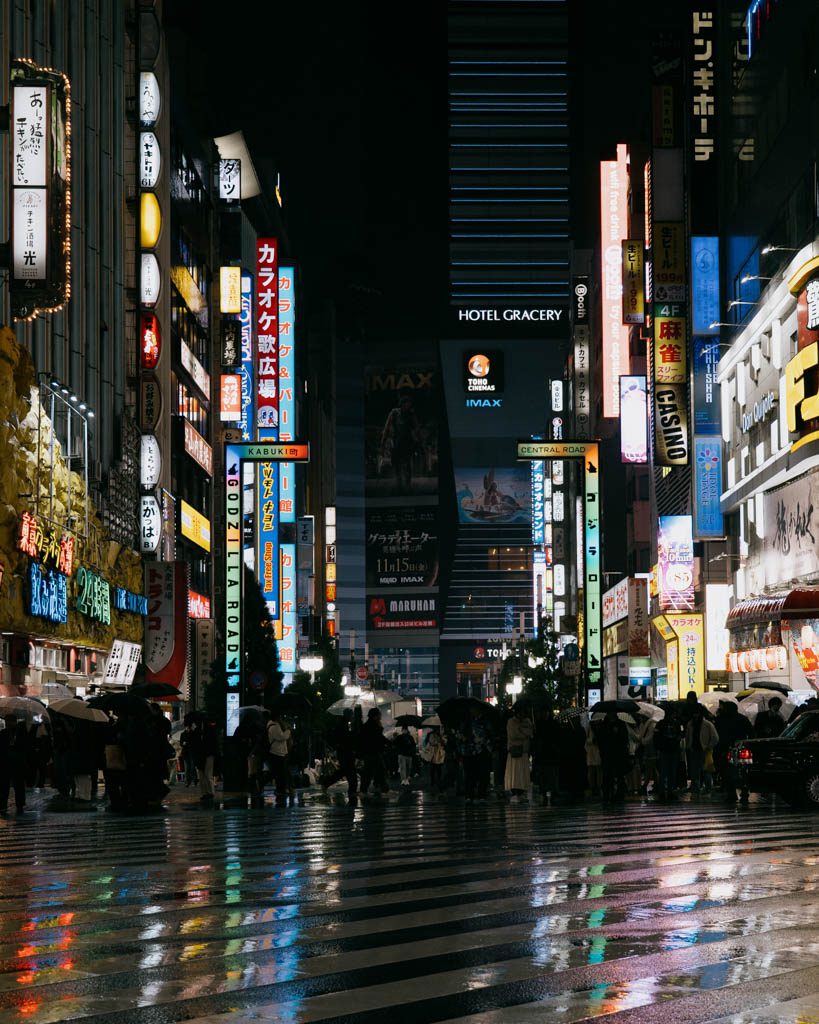
But the best part about staying in Shinjuku is the transformation that night brings. Once the sun sets Shinjuku completely transforms. The neon gets switched on and Shinjuku comes alive!
Whenever we stay in Shinjuku we visit Omoide Yokocho (known as Piss Alley). It’s a famous bar street which has amazing food and cheap beers. Each restaurant only seats around 5-6 people so you’ll have to get comfortable with your neighbours!
When we fancy a night out we’ll always head to Shinjuku. Tokyo’s clubbing scene is a bit of a culture shock compared to what we have back home. Shinjuku’s red-light district, Kabukicho, is full of clubs, bars and hostess bars where girls dressed in maid costumes are trying to get you to come in. Honestly, best to avoid these places and hop between the more respectful bars and clubs.
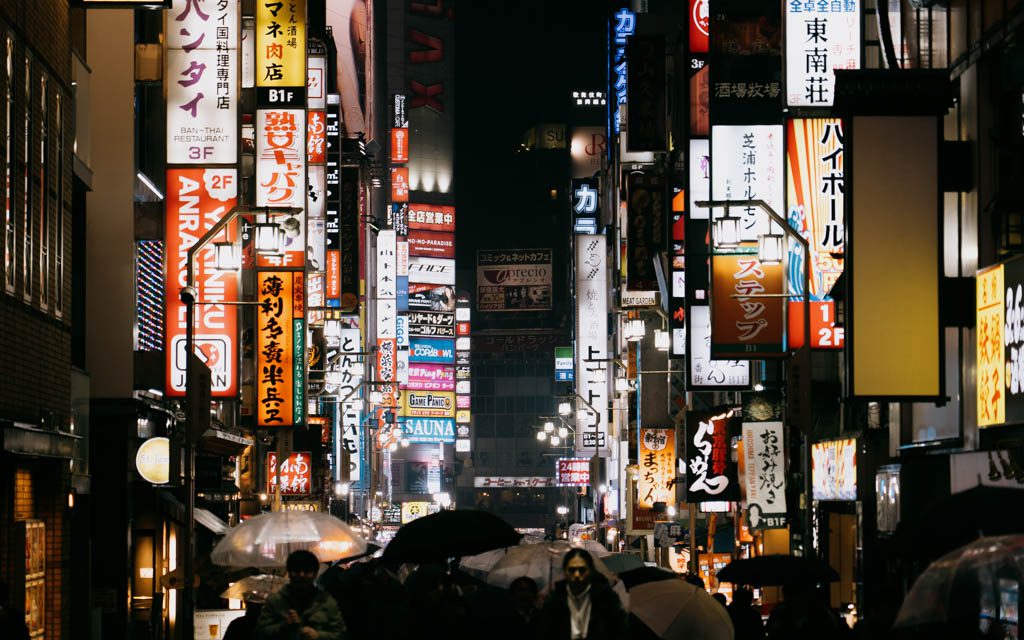
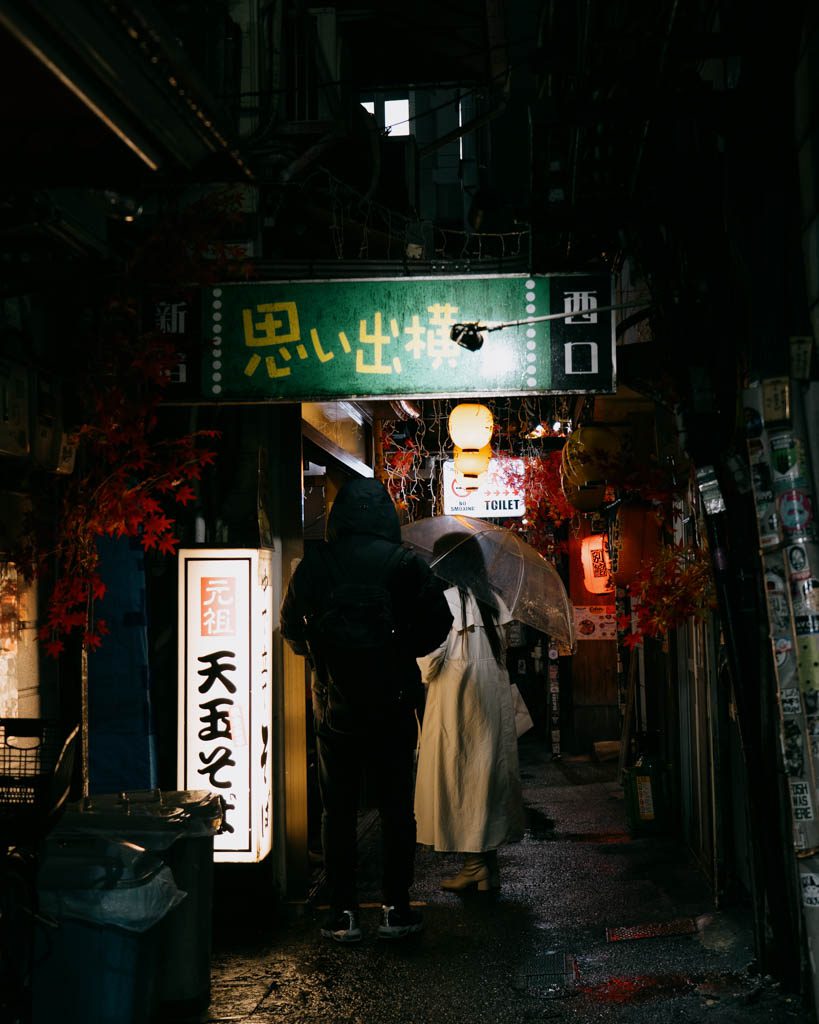
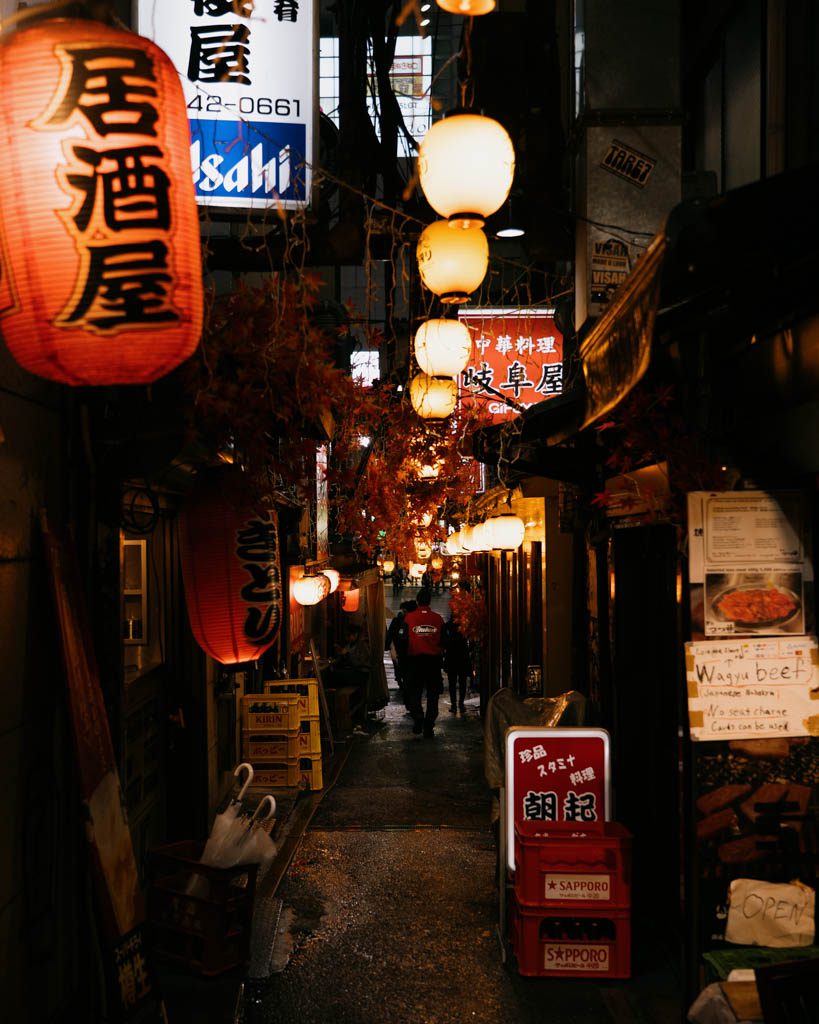
Staying in Shinjuku gives you unlimited access to every type of Japanese cuisine you could think of. We ate out in Shinjuku for 7 days straight and still barely scratched the surface. The 24-hour Ichiran ramen is a lifesaver when you’re leaving the club!
Shinjuku station is also the busiest train station IN THE WORLD! (literally) With around 3.5 million people passing through it every day. That means you’ll be ideally situated to reach all the attractions you could possibly need to visit in Tokyo, even if you will get lost in it every day.
Looking for somewhere to actually stay? We’ve picked out our favourite Shinjuku hotels for every budget in our dedicated Shinjuku guide! 👈
How to Get to Shinjuku
One of the reasons we recommend staying in Shinjuku is just how easy it is to reach from both of Tokyo’s airports. After a long flight, the last thing you want is a complicated journey with multiple transfers.
From Haneda Airport – the easiest option is to take the Keikyu Line to Shinagawa, then change onto the JR Yamanote Line to Shinjuku (you’ll become very familiar with this line). The journey takes around 45–60 minutes depending on your connection.
From Narita Airport – take the Narita Express directly to Shinjuku Station. It takes around 80–90 minutes and there’s plenty of space for luggage, and it’s by far the most stress-free option after a long flight.
Just be prepared to get lost the moment you try to leave Shinjuku station. It’s a rite of passage at this point for any traveller. Even after living in Tokyo for 3 months we still haven’t figured it out yet!
Things to do in Shibuya and Why You Should Stay There
If the nightlife of Shinjuku isn’t really your kind of vibe then we’d really recommend basing yourself in Shibuya. We’ve stayed in Shibuya on a few occasions, especially when we have friends visiting Japan. It’s an incredible place to stay with so many of Tokyo’s iconic attractions on your doorstep.
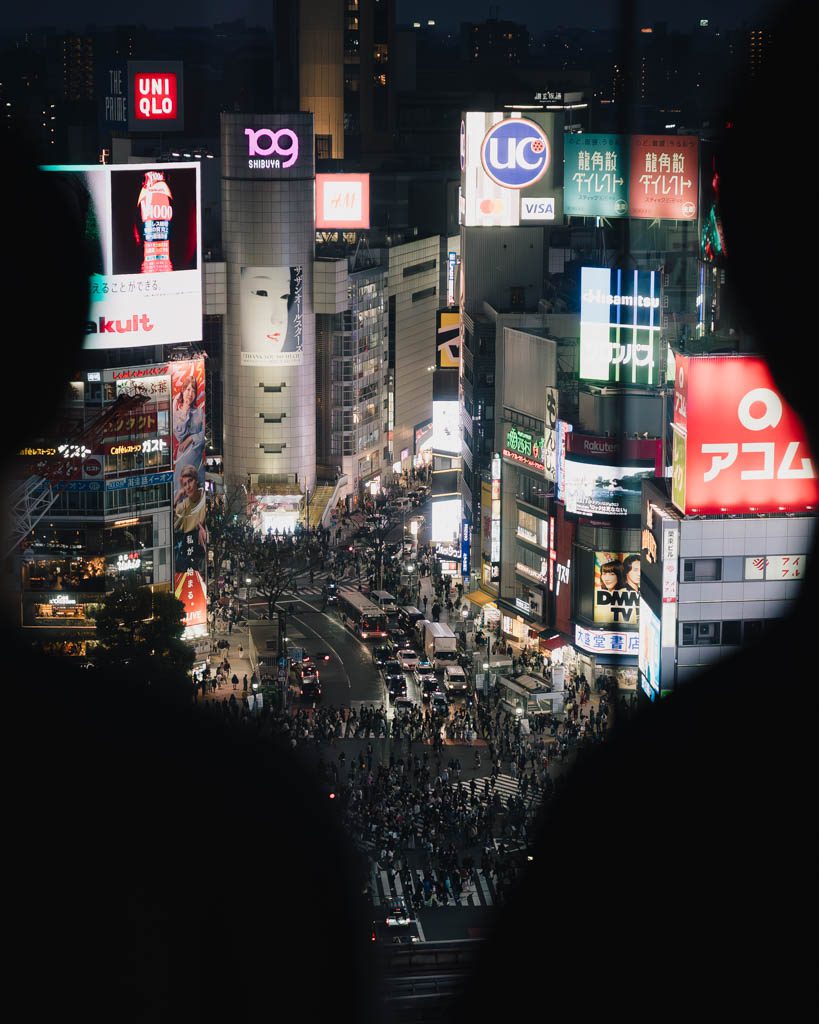
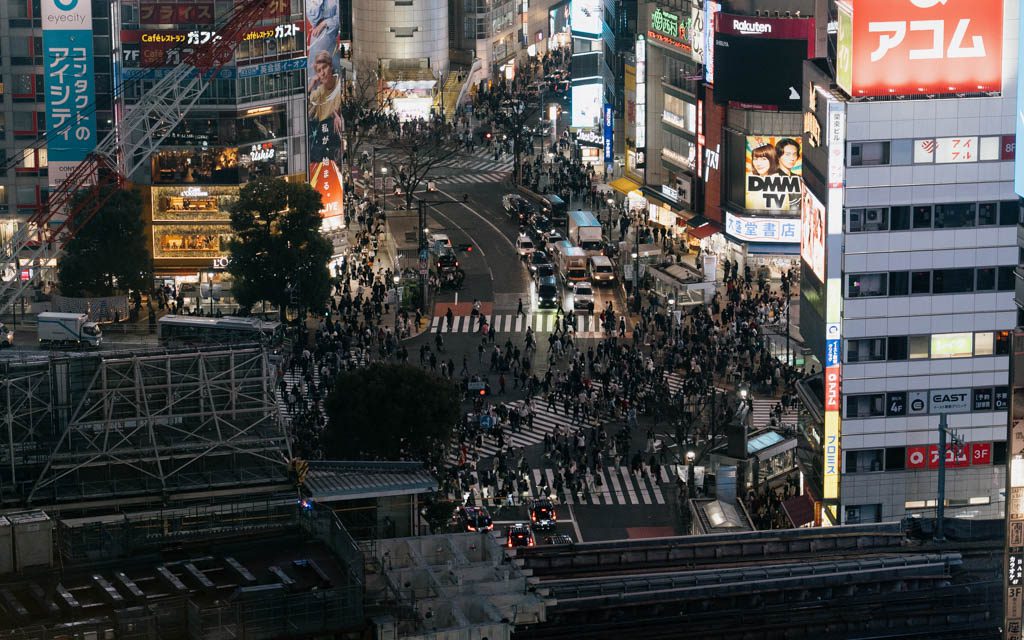
Of course, you can’t stay in Shibuya without visiting the famous Shibuya Scramble Crossing. It might be one of Tokyo’s most touristy attractions, but it’s just something you can’t miss when you visit Tokyo. There’s something about standing amongst hundreds of people as they all cross the road at once that never gets old. Just don’t be one of those obnoxious tourists who try to cartwheel across the crossing.
Then the next best way to see the crossing is to find a viewpoint. The three best viewpoints we always recommend are Shibuya Sky (paid), Shibuya Magnet 109 (paid, incl drink), and Hikarie Sky lobby (free). Each offers a unique view looking down over the crossing.
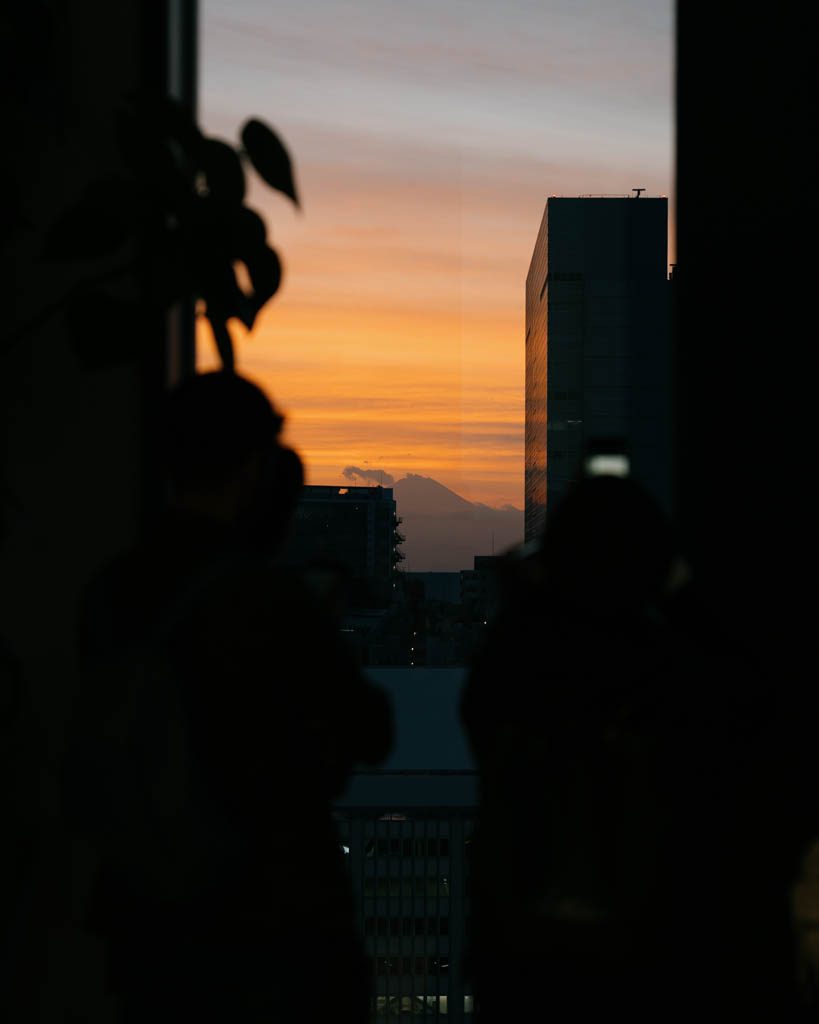
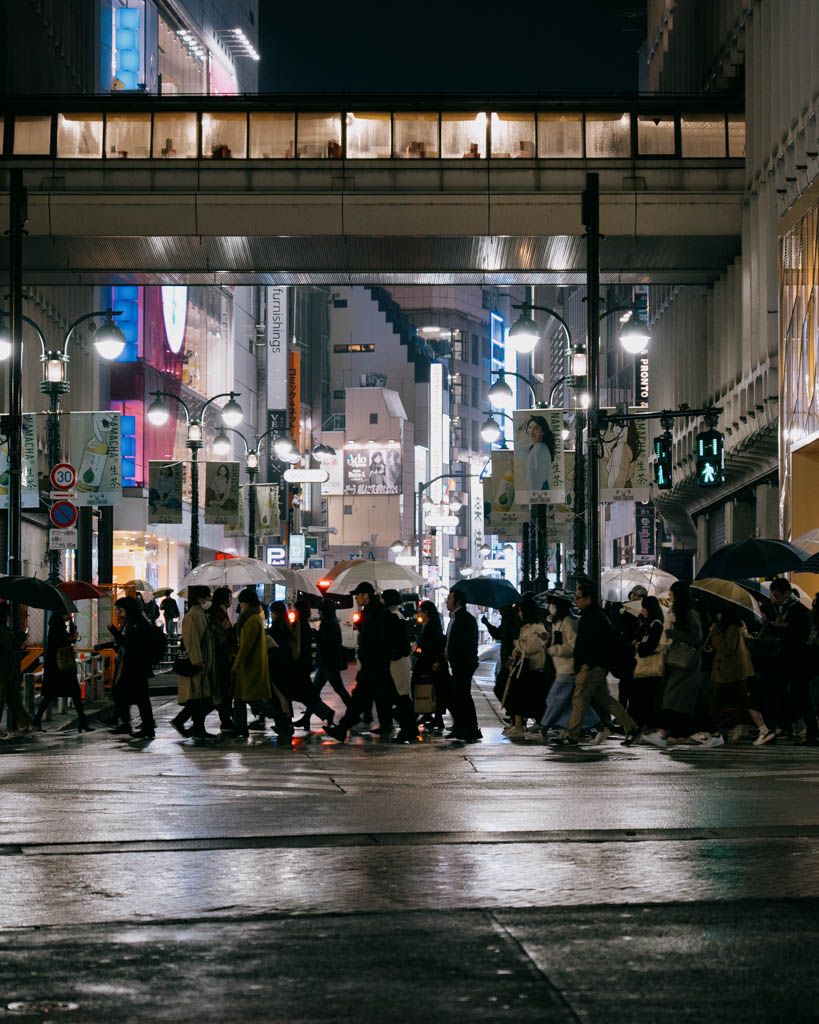
And then there’s the food. Shibuya has an incredible mix of Japanese and international restaurants, from tiny ramen shops to some seriously good sushi. One of our favourite ramen restaurants, Oreryu Shin Ramen, is located in Shibuya! You’ll know you’ve found it when you hear the Beatles (just don’t ask us why that’s all they play).
Shibuya can have a much more laid-back vibe when it comes to nightlife. Instead of the chaotic nightlife of Kabukicho, there are plenty of chill and cosy bars, izakayas and cocktail spots. One that we always take friends to is Bar Moon Walk, where all the drinks are ¥250 (£1.20)! There is a cover charge of ¥550 (£2.70) per person, which just means you have to buy more drinks to make it worth it!
The best part about staying in Shibuya is that you’re right in the middle of some of Tokyo’s coolest neighbourhoods. You can walk to Harajuku along Cat Street, explore Meiji Jingu and Yoyogi Park, then be back in Shibuya for dinner without ever needing to jump on a train.
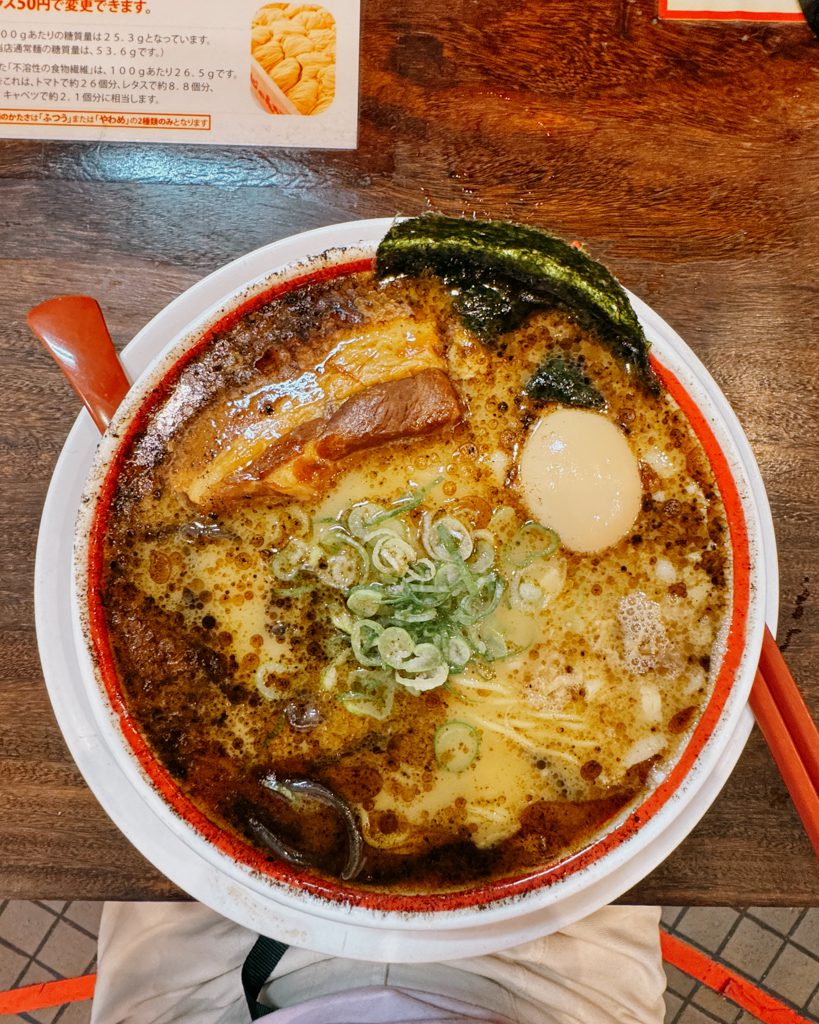

Looking for somewhere to actually stay? We’ve picked out our favourite Shibuya hotels for every budget in our dedicated Shibuya guide 👈
How to Get to Shibuya
Similar to Shinjuku, Shibuya is super easy to access from the airports, even if it’s your first time in Japan. It’s also definitely the easier station to navigate of the two.
From Haneda Airport – take the Keikyu Line to Shinagawa, then change onto the JR Yamanote Line to Shibuya. The journey usually takes around 40–50 minutes. Essentially the same as the Shinjuku route, just a couple less stops.
From Narita Airport – the Narita Express (N’EX) runs directly to Shibuya Station in around 75–85 minutes, making it the easiest and most comfortable option. There’s dedicated luggage storage on board, and we recommend reserving a seat if you’re travelling during peak seasons.
Why You Should Stay in Asakusa (Our Recommendation)
This might be seen as a rogue choice if you’ve visited Tokyo before, but Asakusa has quickly become our favourite place to stay in Tokyo. It’s a world away from the neon and chaos of Shinjuku and Shibuya, giving you a much slower pace of life while still keeping you close enough to explore everything Tokyo has to offer.
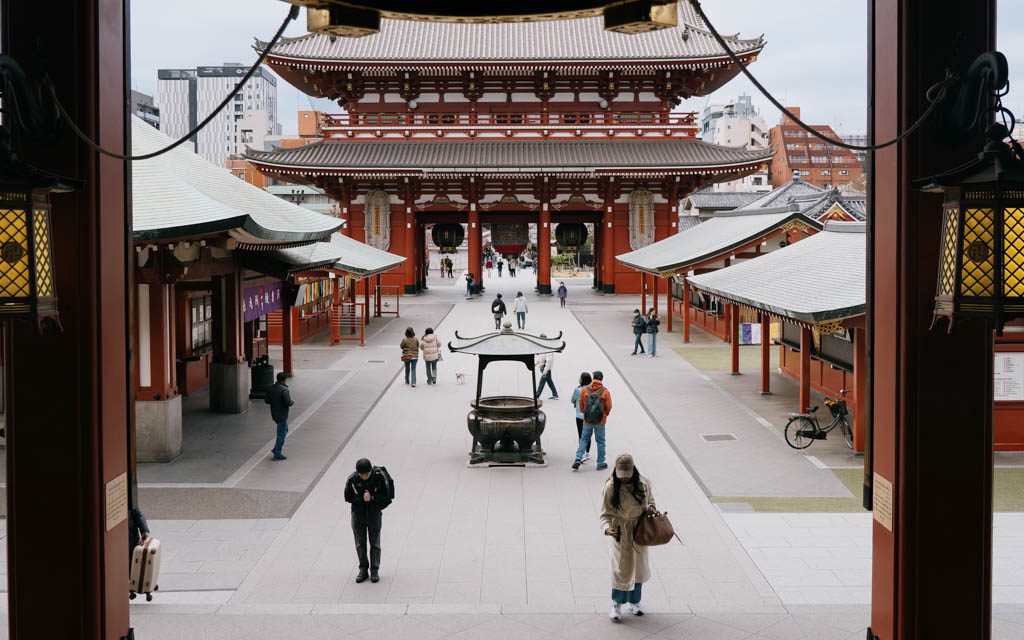
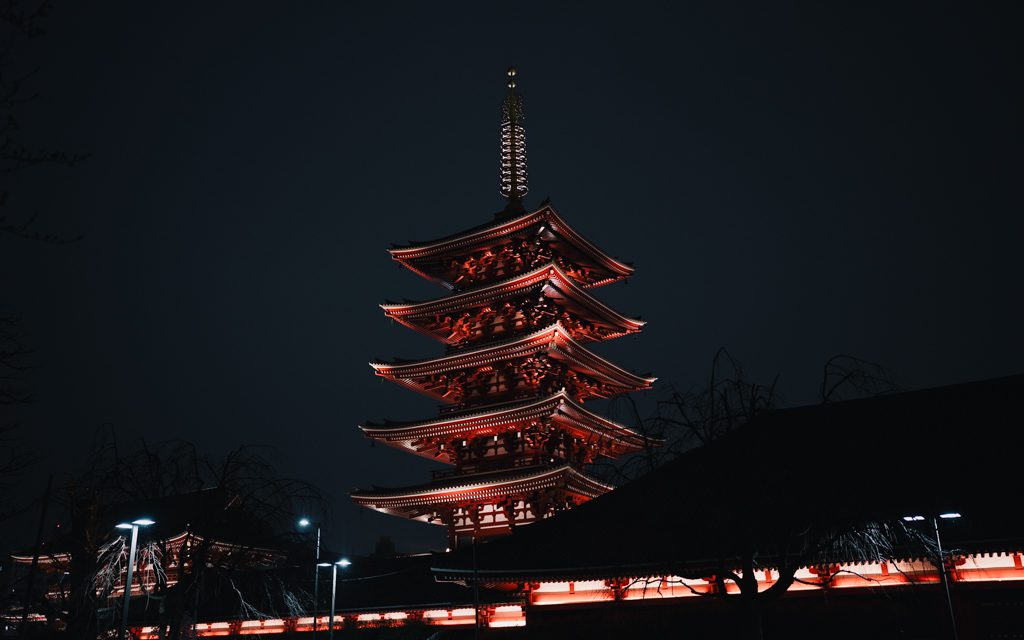
Asakusa is the cultural centre of Tokyo. It’s home to the oldest temple in Tokyo, Senso-ji. Another stop on our 5-Day Tokyo Itinerary .
The best part about staying here for us is that you get to easily experience one of Tokyo’s most popular attractions without any of the crowds. Being able to wake up early and have Senso-ji almost all to yourself is a truly incredible experience, and something that became part of our regular routine when living in the area.
We’d grab a Lawson coffee, wander over to Senso-ji and explore the temple grounds before the tour groups arrived.
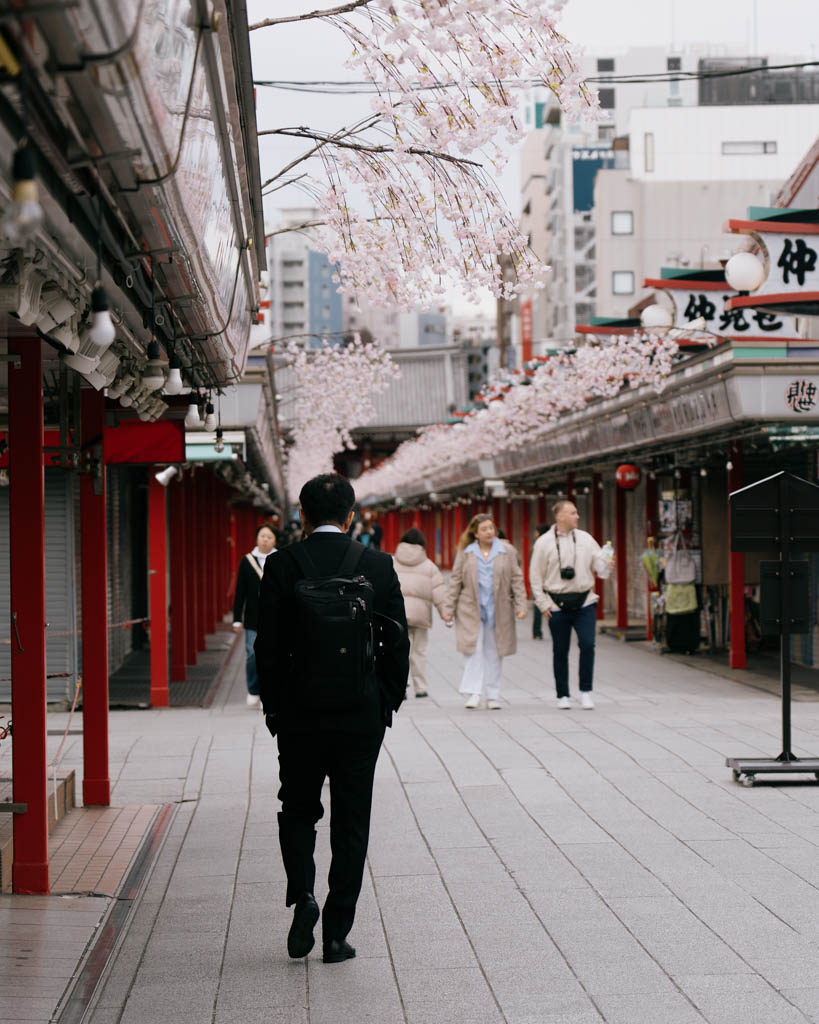
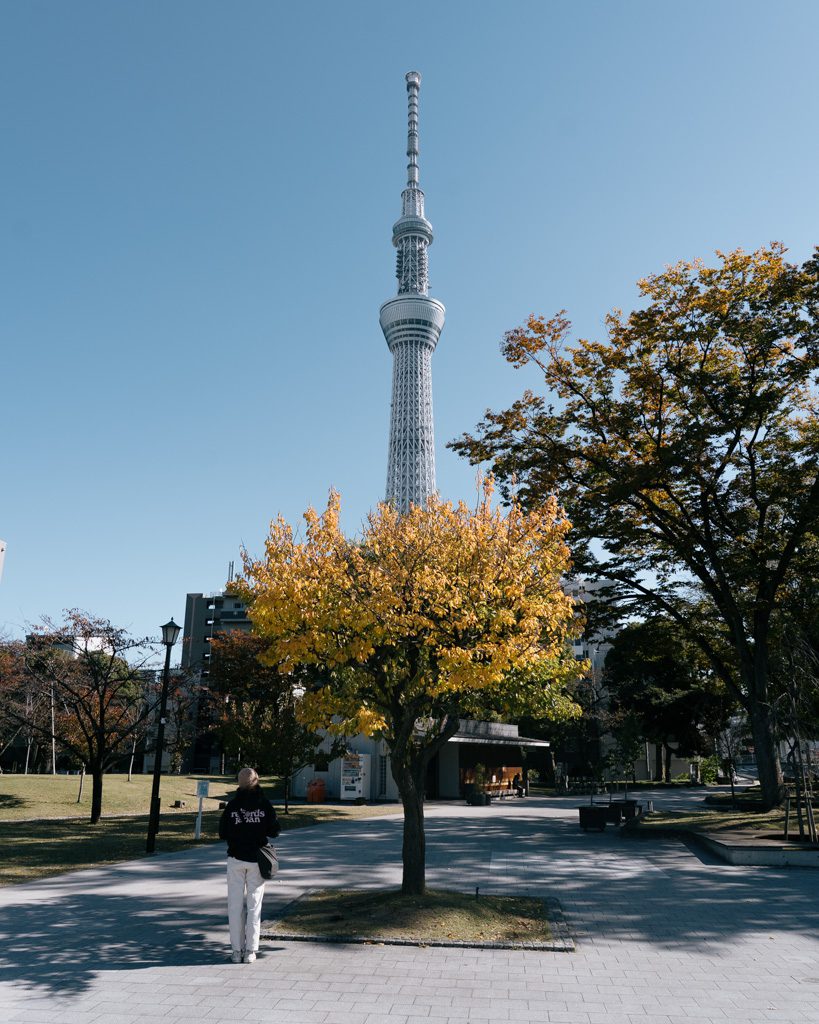
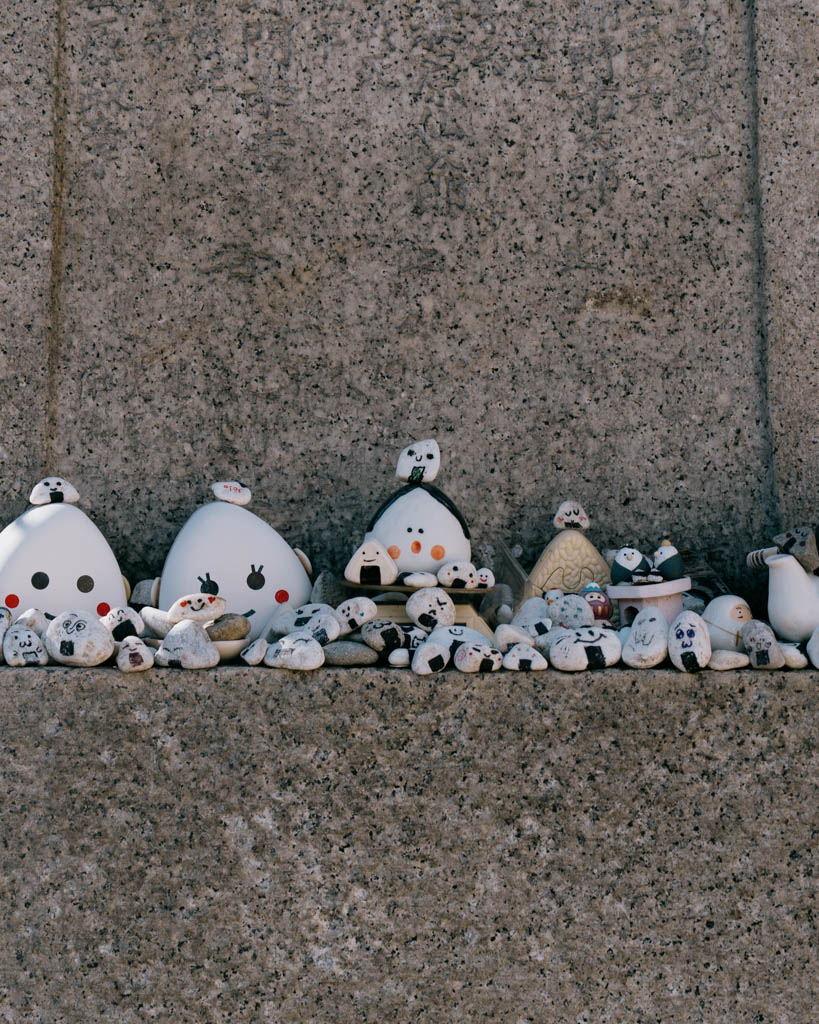
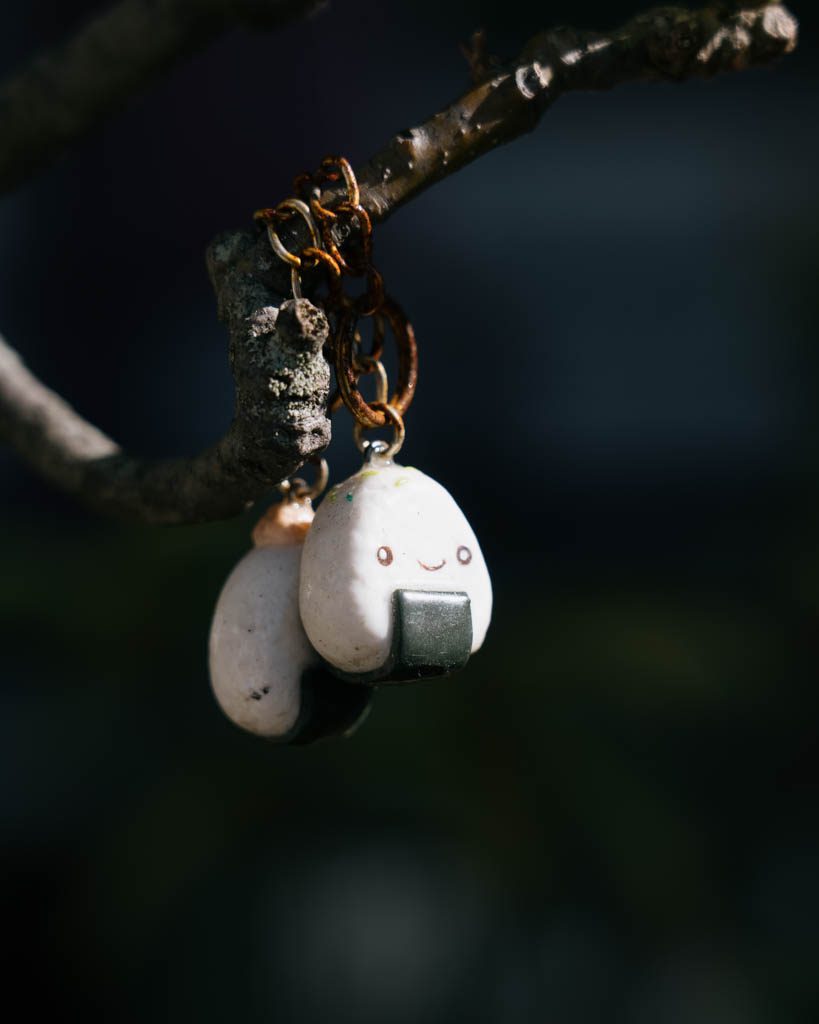
After a morning in Senso-ji, we like to take a stroll along the Sumida River Walk and enjoy the seasonal trees and flowers around Tokyo Skytree. It’s such a cool neighbourhood with so many incredible areas to get lost in. We stumbled across this cute onigiri shrine on one of our adventures.
Asakusa is no slouch when it comes to incredible food. While it might not be as vibrant or exciting as Shinjuku and Shibuya, there are still plenty of bars and izakayas around Hoppy Street to explore.
One of our favourite beef curry restaurants, Happy Beef Curry, is located a couple of streets over from Senso-ji. They serve delicious and customisable Japanese beef curry, and we find ourselves coming back here every time we’re in Asakusa.
If this is your first time in Tokyo and you want to be right in the middle of the action, we’d probably still recommend Shinjuku or Shibuya. But if you’ve been to Tokyo before, or simply want somewhere a little slower and more traditional, Asakusa would be our first choice.
Looking for somewhere to actually stay? We’ve picked out our favourite Asakusa hotels for every budget in our dedicated Asakusa guide.👈
How to Get to Asakusa
Asakusa is a little further east than Shinjuku and Shibuya, but getting there from either of Tokyo’s airports is still relatively straightforward. It’s also one of the quieter areas to arrive into, which can be a welcome change after a long flight.
From Haneda Airport – take the Keikyu Line towards Asakusa. The line continues onto the Toei Asakusa Line, meaning you can often travel directly to Asakusa without changing trains. The journey takes around 40–50 minutes.
From Narita Airport – the Keisei Access Express is your best bet. It runs directly through to Asakusa, so there’s no need to navigate a complicated transfer with your luggage. The journey takes around 60–70 minutes.
Where to Stay Depending on Your Trip
| Shinjuku | Shibuya | Asakusa | |
|---|---|---|---|
| Best for | Nightlife & Solo Travellers | Couples, Shopping & Cafes | Couples, Culture & Families |
| Famous for | Omoide Yokocho, Kabukicho | Shibuya Scramble Crossing | Senso-ji Temple |
| From Haneda | 45–60 min | 40–50 min | 40–50 min |
| From Narita | 80–90 min | 75–85 min | 60–70 min |
Tokyo Accommodation Mistakes to Avoid
Book in Advance
If you’re coming to Tokyo after backpacking around Southeast Asia like we were, then you need to get out of that ‘last minute’ habit. Book accommodation in advance, don’t leave it too late. Places book up quickly, especially during peak season (spring, autumn, Golden Week).
Choose Your Location Wisely
Don’t just book the cheapest thing in Tokyo, because chances are you’ll lose those savings commuting in and around the city. Pick a location that has good connections to JR lines (ideally the Yamanote line) or the metro lines (ideally the Ginza line). These will give you great connections throughout the city. Better yet, stay somewhere that has attractions you want to see, that way, you can have a full day exploring with no commute.
Check the Reviews
This might sound like pretty general advice whenever you book a hotel, but make sure you check what it is you’re booking. Some cheap accommodations in Japan can include shared bathrooms, so make sure you know what you’re getting yourself into before you book. Check for smoking/non-smoking rooms as this is still a common occurrence in Japan, and keep an eye out for these pesky love hotels. Lots of reviews for love hotels are surprisingly full of foreigners not realising they booked a love hotel!
Things to Know Before Visiting Tokyo
🚃 Suica Card: Tokyo runs on rail, so a Suica card is essential. We’ve written a full guide on setting up a Suica card.
📱 Get an eSIM: Reliable data makes Google Maps and Translate so much easier. Even after 10 months in Japan, we still relied on it daily. Check our guide to the best eSIM options in Japan.
💴 Cash is Still King: Cards work almost everywhere now, but keep some cash for smaller shops and stalls. Bring a fee-free debit card (we like Chase or Revolut) and withdraw at a 7-Eleven ATM for a fair rate.
🚶 Stand on the Left: On Tokyo escalators, stand left and walk right. Osaka does the opposite (don’t ask us why).
🛡️ Get Travel Insurance: Japan is safe, but insurance also covers lost luggage, cancelled flights, and theft. Sort it before you fly. Here’s our guide to the best travel insurance for long-term trips.
🗣️ Learn a Few Phrases: You don’t need fluency. Konnichiwa (hello), sumimasen (excuse me), and arigatou (thank you) go a long way. Bonus points for gochisousamadeshita after a meal.
Final Thoughts
Honestly, basing yourself in any of these locations for your first time in Japan will set you off on the right foot. Each time we’ve stopped in one of these places we’ve always discovered something new to eat, see or do. That’s why each location is on our 5-day Tokyo guide.
If you’re still struggling to decide then perhaps taking a look at each of our hotel guides for Shinjuku, Shibuya, and Asakusa which might sway your decision on where to stay in Tokyo.
If you’re in the early stages of planning your trip then check out our guide on the best time to visit Tokyo and the best day trips to do from Tokyo.
Frequently Asked Questions: Where to Stay in Tokyo?
What is the best area to stay in Tokyo for first-time visitors?
For most first-time visitors, we recommend staying in Shinjuku or Shibuya. Both areas have excellent transport links, loads of restaurants, and easy access to Tokyo's main attractions. That said, we also love Asakusa for travellers who want somewhere quieter and more traditional.
Is Shinjuku or Shibuya better to stay in Tokyo?
You can't go wrong with either, but they offer very different experiences. Shinjuku is better for first-time visitors who want classic Tokyo: neon lights, nightlife and endless food options. Shibuya is better for shopping, cafes and a younger, trendier atmosphere.
Is Asakusa a good place to stay in Tokyo?
Yes! Asakusa is one of our favourite areas in Tokyo. It offers a quieter, more traditional side of the city and is often better value than Shinjuku or Shibuya. It is slightly further from some attractions, but the trade-off is a much more relaxed base.
How many days should you stay in Tokyo?
We recommend spending at least 5 days in Tokyo. The city is huge, and trying to rush it means spending more time on trains than actually exploring. Five days gives you enough time to see the highlights without feeling rushed.
Should I stay near a train station in Tokyo?
Absolutely. You will use Tokyo's trains constantly, so staying within a 5–10 minute walk of a station will make your trip much easier. Trust us, after a full day exploring, you'll appreciate not having a long walk back to your hotel.
Is it expensive to stay in Tokyo?
Tokyo has options for every budget. You can find affordable hotels, but we recommend prioritising location over saving a few pounds. A cheaper hotel further away can cost you valuable time every day.
What is the best area to stay in Tokyo for couples?
Shibuya and Asakusa are our favourite areas for couples. Shibuya is great for restaurants, shopping and nightlife, while Asakusa offers a more relaxed and romantic atmosphere.
Where should I stay in Tokyo for nightlife?
Shinjuku is the best area to stay in Tokyo for nightlife. From tiny izakayas and karaoke bars to the famous Kabukicho district, there is always something happening after dark.
Where should I stay in Tokyo for my first trip to Japan?
For your first trip to Japan, we recommend staying somewhere central and well-connected. Our top choices would be Shinjuku for the classic Tokyo experience, Shibuya for shopping, cafes and modern Tokyo, and Asakusa for a quieter, more traditional atmosphere. The most important thing is choosing somewhere that makes exploring easy. Tokyo is already a huge city, so your accommodation should make your trip easier, not harder.
Related Posts


Hi! We’re Mark & Sarah.
We’ve been travelling the world together for the past 4 years. Exploring destinations such as Europe, South America, South East Asia, Japan and Australia. Now we’re sharing everything we’ve learned on our travels, to help you get out there and have your own adventures!