Top 13 things to do in Kyoto (Our Favourites)
- Last Updated On October 7, 2026
Disclaimer: Some of the links on this site are affiliate links. This means I may earn a small commission if you make a purchase through them at no extra cost to you. I only recommend things I genuinely use or believe in.
A visit to Kyoto can be overwhelming, at least it was for us on our first trip back in 2023.
Trying to decide which temples to go to? Which shrines to see? What day trips to do? The options felt endless.
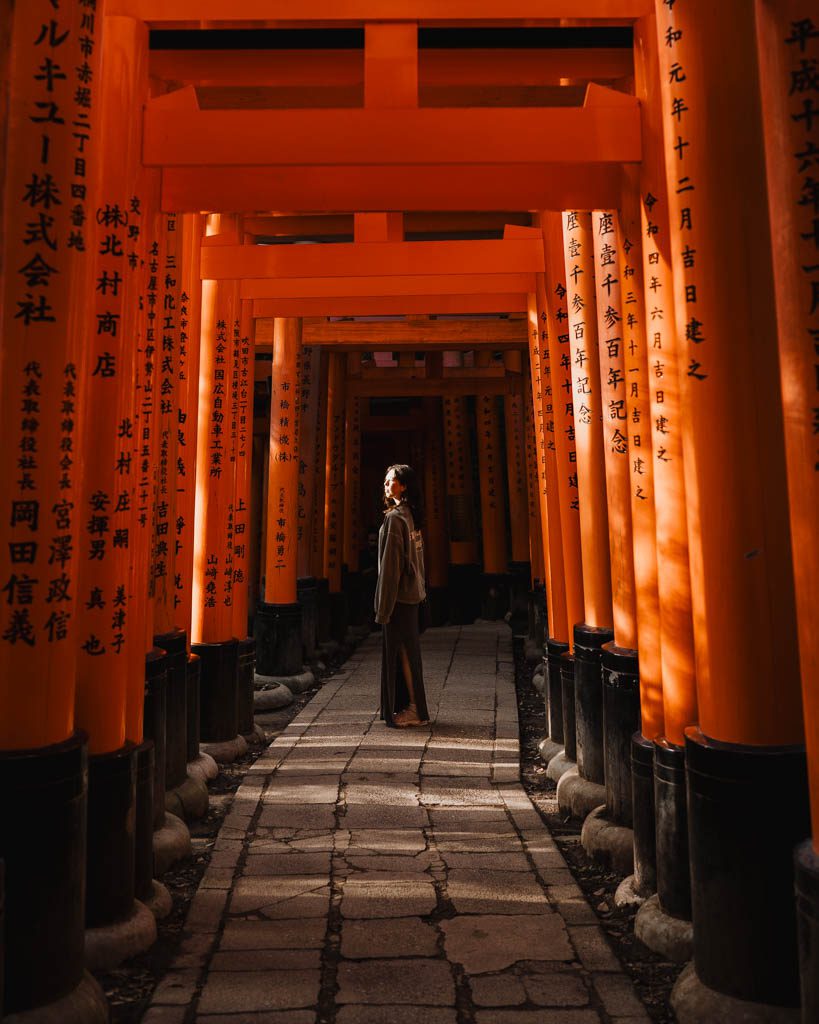
In order to make the most of a trip to Kyoto we’ve written a full 3-day guide to Kyoto that goes into more detail about each stop we recommend and what order to do it in.
However, we understand that not everyone wants to be spoon-fed an itinerary. That’s why, In this guide, we’ll run through our top 13 things to do in Kyoto to help you build your own perfect trip to Japan’s ancient capital.
Contents
ToggleTop Attractions in Kyoto - Our Experience
In October 2024 we spent three weeks in Kyoto, which gave us the chance to slow travel and truly immerse ourselves in everything the city has to offer. We’ve explored so many temples that we’ve lost count, and we’ve made who knows how many sunrise trips to the Gion district. Yet each time we still have a “can’t believe we’re here” moment, just grateful to spend so long in this amazing city.
The time we’ve spent here is why this list leans heavily on our own experience of Kyoto. Some of our favourite Kyoto attractions are the famous ones, like Fushimi Inari and Kiyomizu-dera. Others are quieter, like Enko-ji and Kurama, and a few, like the Arashiyama bamboo grove, didn’t quite live up to the hype.
Slow travelling Japan for 10 months might sound like a far-away dream, but it’s easier than you think. Our guide to the Japan Working Holiday Visa for UK citizens covers how we did it, and we’ve never looked back.
When to Visit Kyoto
It’s hard to run out of things to do in and around Kyoto. Even if you think you’ve seen everything, all you have to do is come in a different season and it feels like a completely different place.
As people who love photography, we keep drifting back to Kyoto when the blossoms bloom or the autumn foliage spreads through the city. For us, spring and autumn are the best times to visit, but both are popular, so book early and be ready to set an early alarm. Now we just need to make the trip in summer and winter to complete our Kiyomizu-dera ticket collection.
13 Best Things to Do in Kyoto
1. Fushimi Inari Shrine
We’ll apologise upfront for being a cliché but for us, Fushimi Inari is a place like no other. We’ve visited shrines all over Japan, even similar ones adorned in rows of red torii gates like Motonosumi Shrine. But none of them compare to Fushimi Inari.
Fushimi Inari is a snaking mountain path leading up to the top of Mt. Inari. You can walk the full circuit in around 2-3 hours with views of the Kyoto skyline as you climb. But that’s not what this shrine is best known for. Fushimi Inari has gained so much popularity around the world thanks to the thousands of red torii gates that line the path up the mountain.
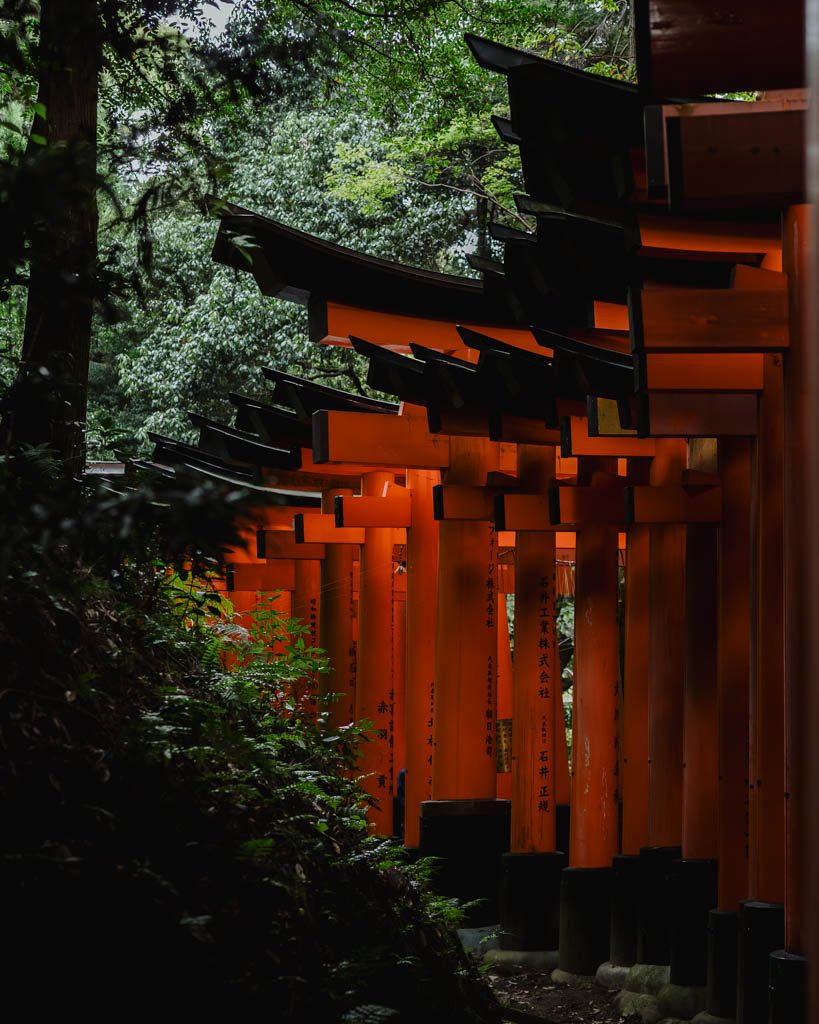
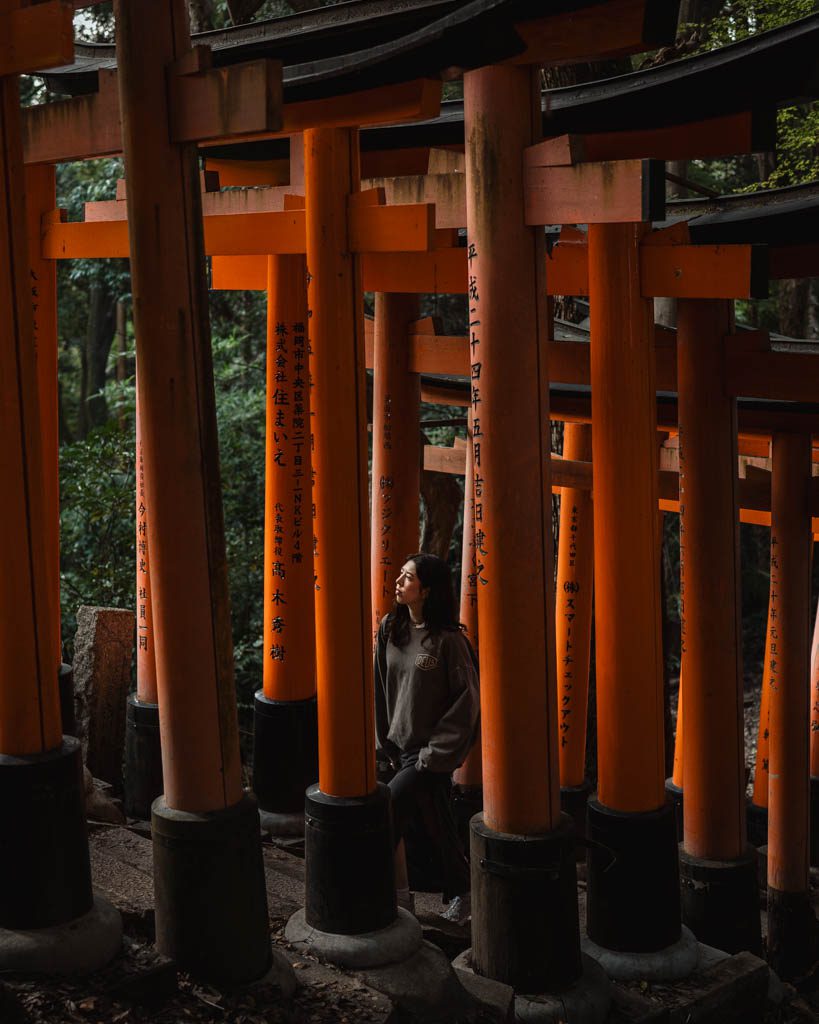
It’s open 24 hours and requires some level of fitness to explore (this is a hike). We love to visit for the city views and incredible picture opportunities. Check out our 3-day Kyoto guide for tips on visiting Fushimi Inari shrine.
2. Kiyomizu-dera
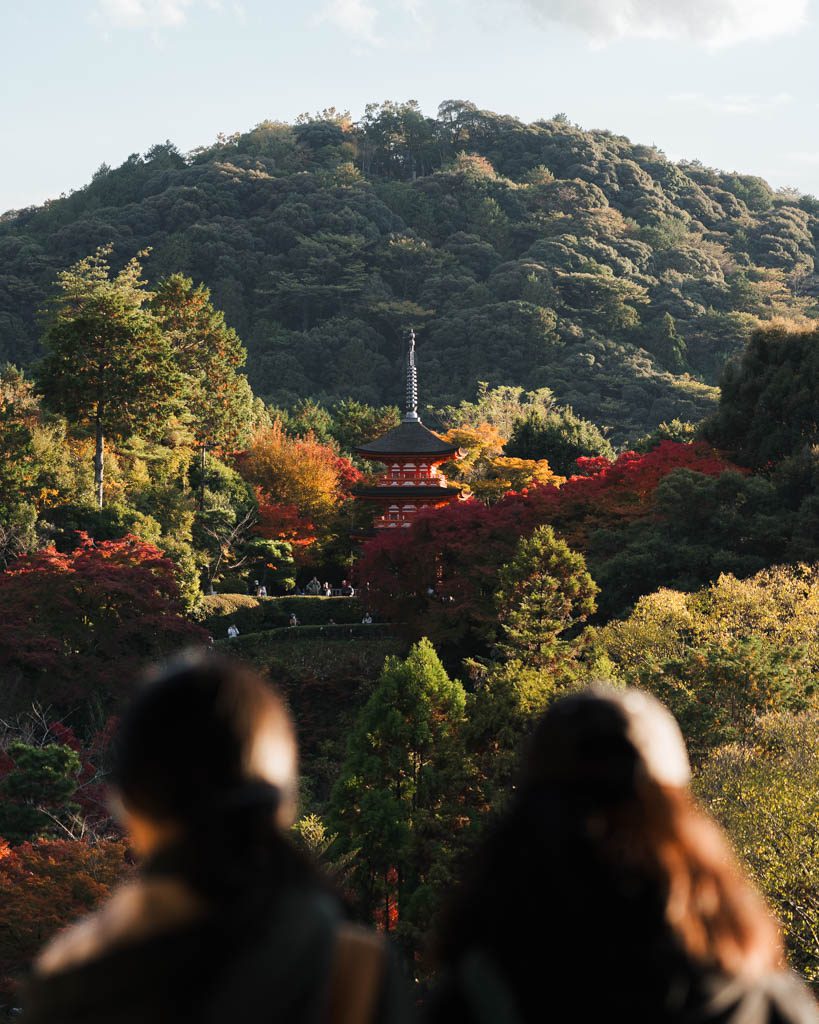
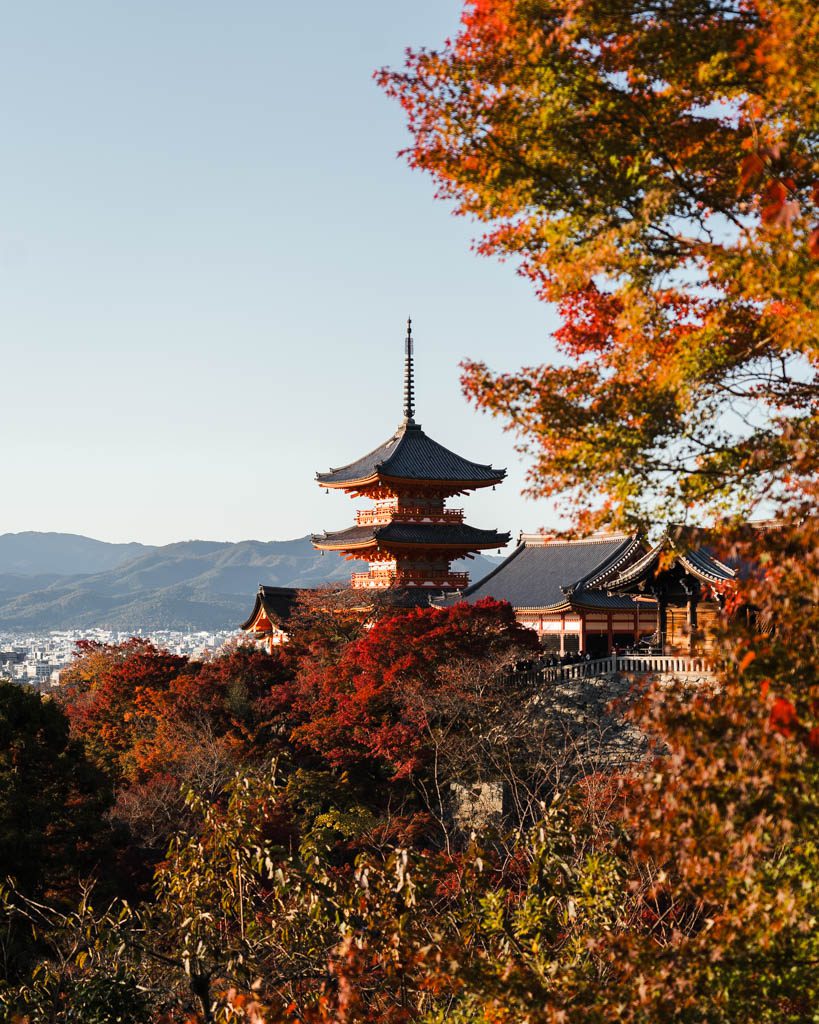
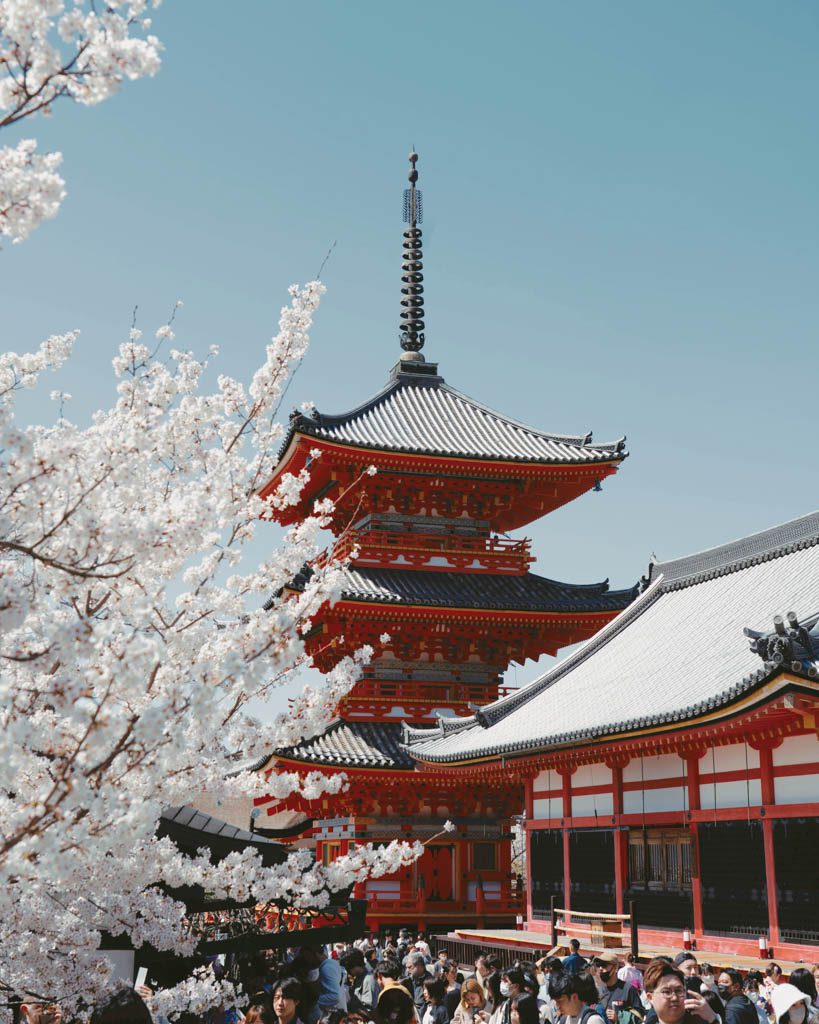
Our favourite spot in Kyoto but not necessarily our favourite temple. Kiyomizu-dera is easily the most popular temple in all of Kyoto and the seasonal foliage, sweeping views and temple buildings are reason enough to visit.
However, its popularity means that sometimes you forget you’re visiting a temple entirely. It’s probably the busiest temple we’ve been to with Senso-ji in Tokyo being a very close second. If you can, try visiting early to beat the crowds. That said, our most memorable experience here was watching the sunset over Kyoto whilst the autumn leaves burned bright red.
If temple hopping is high on your list for Kyoto, check out our guide to the best temples to visit in Kyoto.
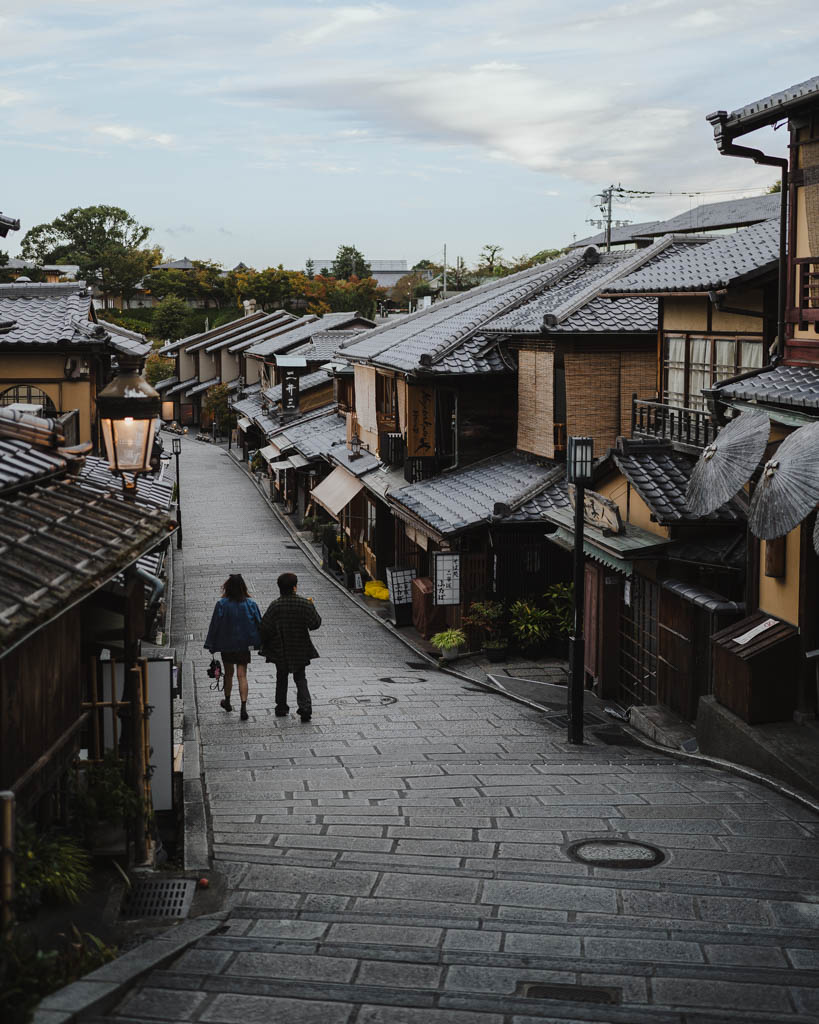
3. Gion District and Yasaka Pagoda
This one is worth getting up early for, as we have done so many times over.
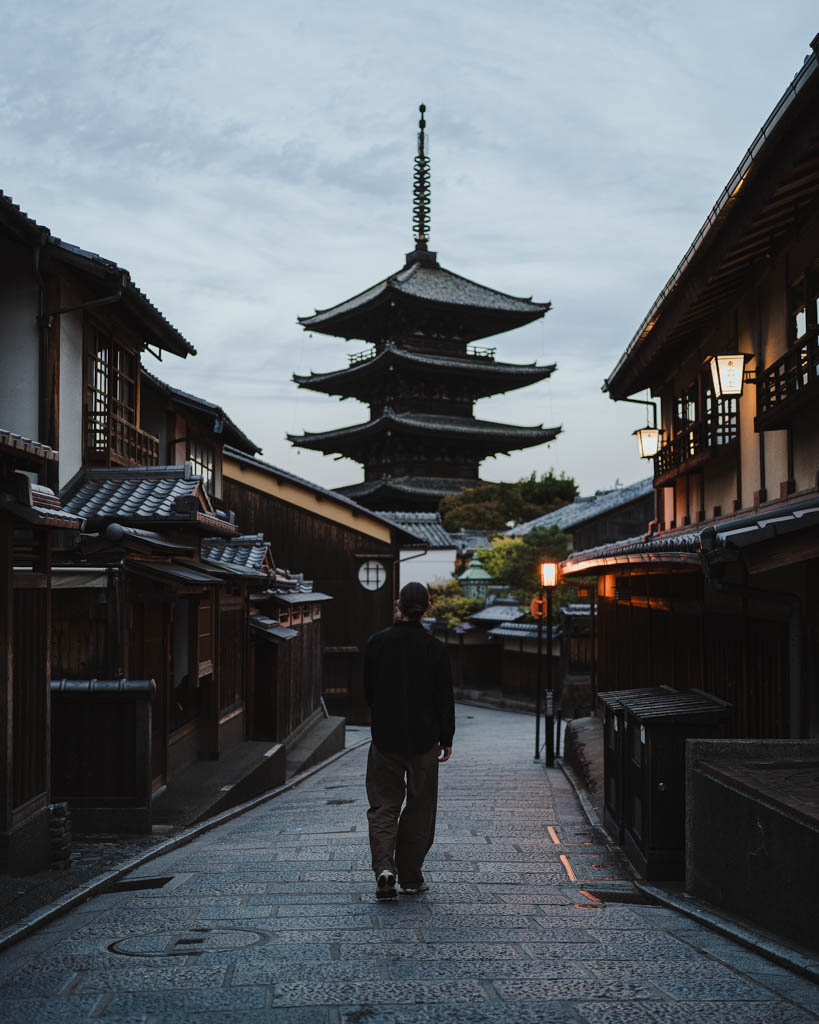
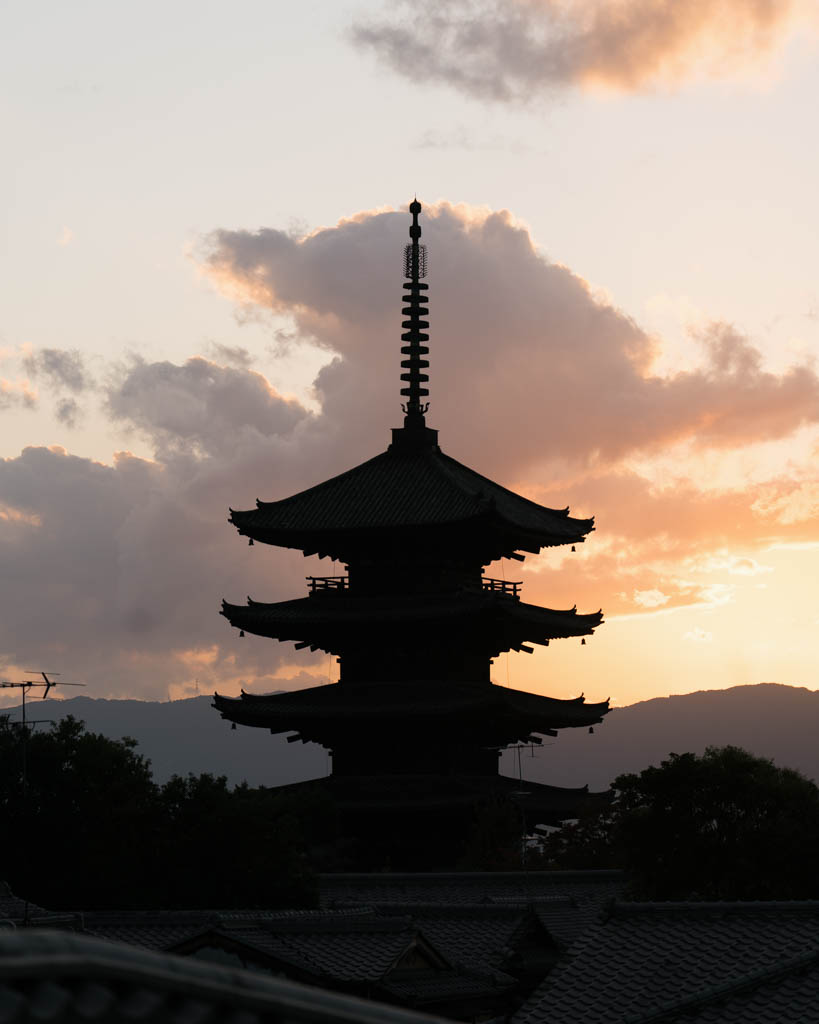
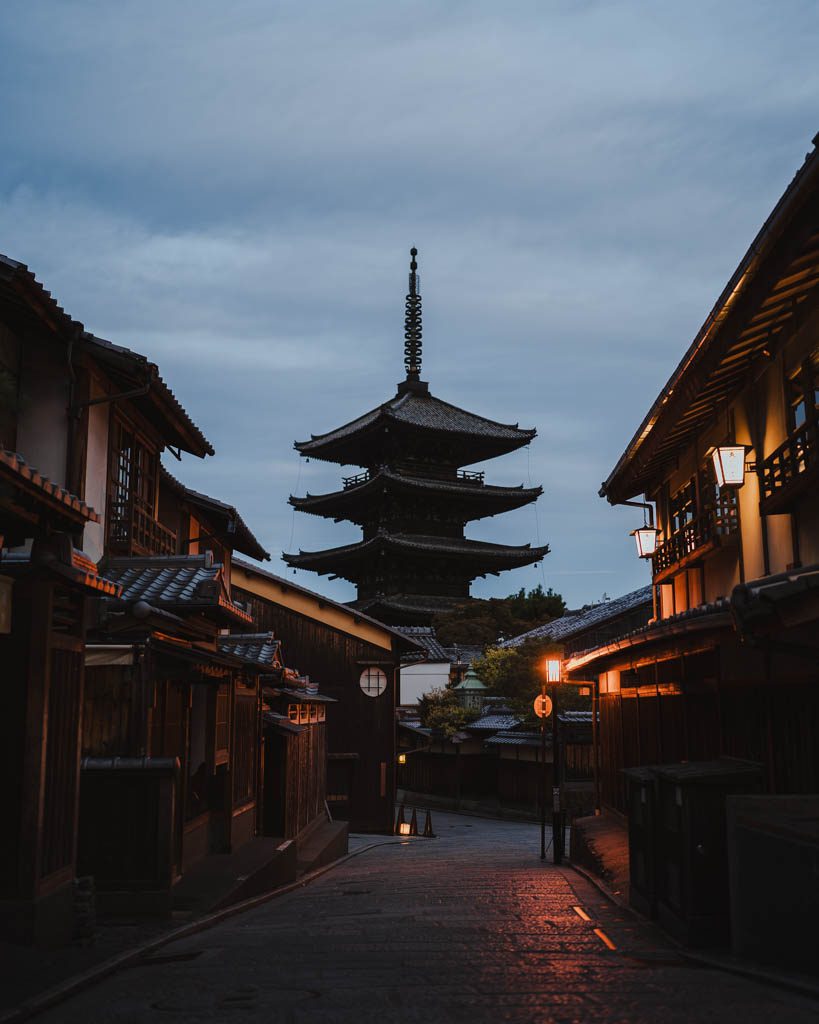
We’ve made this pilgrimage three or four times now. Each time, we wake up an hour before sunrise and trek halfway across the city to explore and snap pictures of Yasaka Pagoda stretching over the Gion district.
It’s worth it every time.
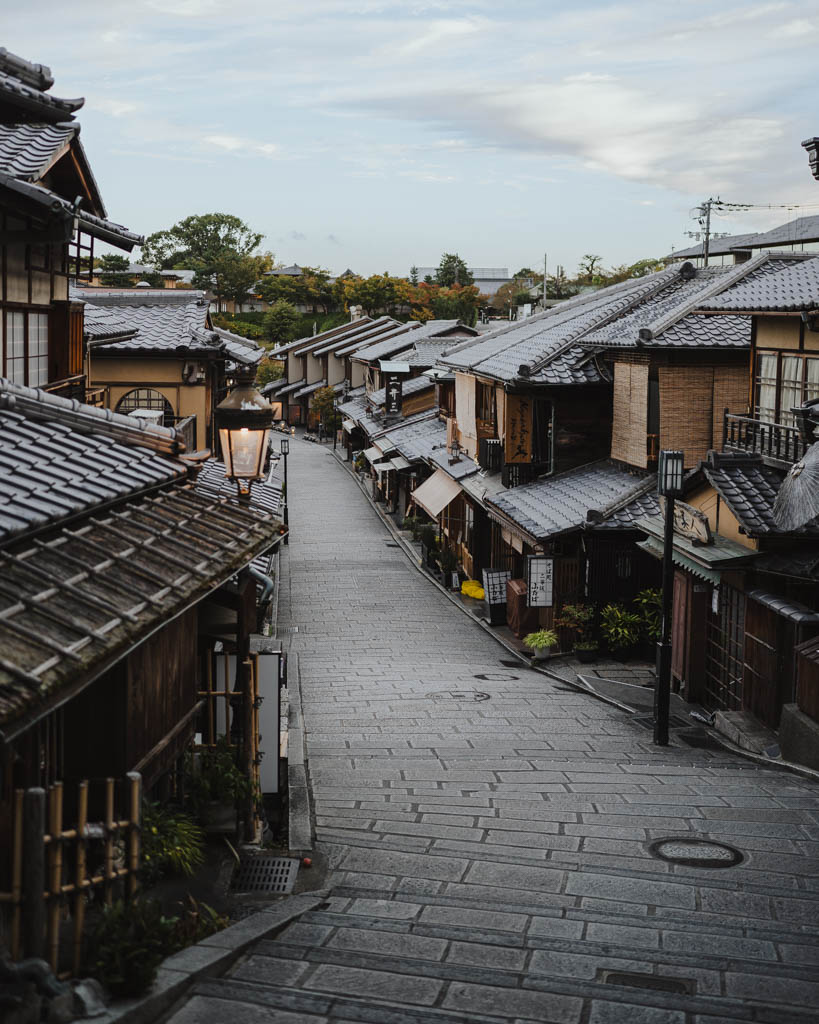
The best way to see the Gion district without the crowds is to book a ryokan or hotel stay in the area. Check out our guide on where to stay in Kyoto for recommendations.
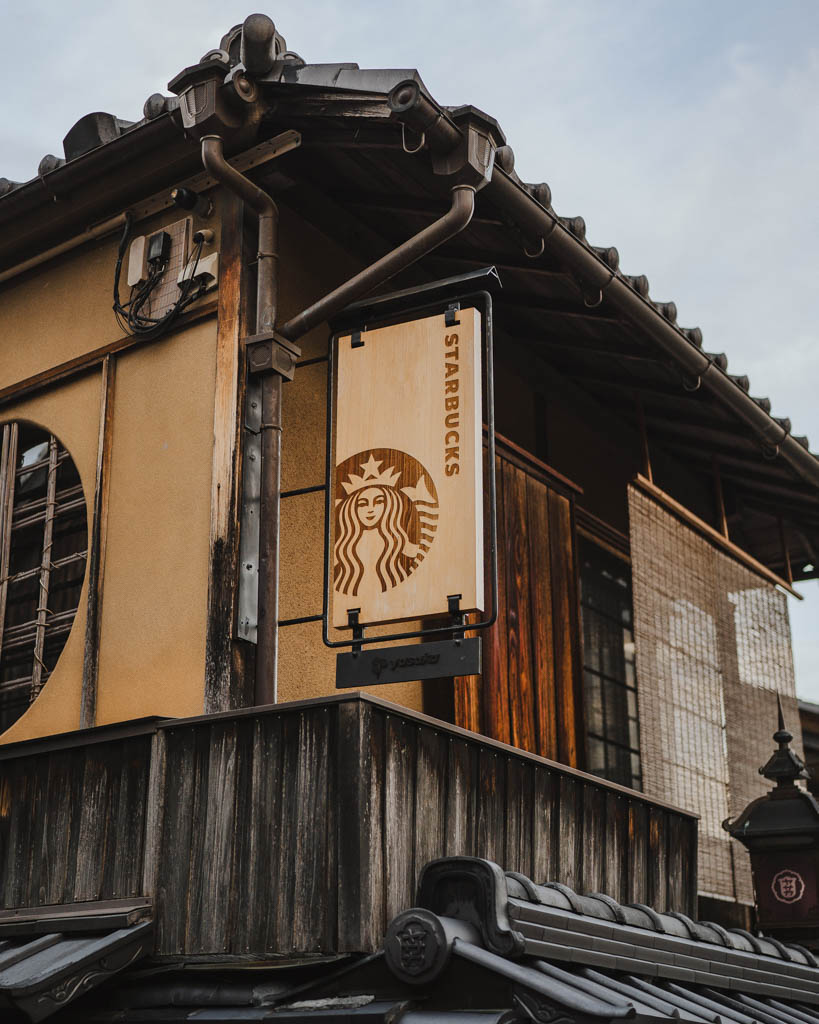
The Gion district is Kyoto’s most famous and historic geisha district where streets are lined with traditional Edo-period buildings, shops and Starbucks. OK, so that last one is hardly a period piece but it is true, there’s a distinctly unique Starbucks inside an old Japanese building, decorated to keep in theme with the area.
Yasaka Pagoda sits within Hokan-ji temple and perfectly silhouettes the skyline of the district. It’s one of our favourite views over the city, especially from this torii gate at sunset.
4. Kimono Rental in Kyoto
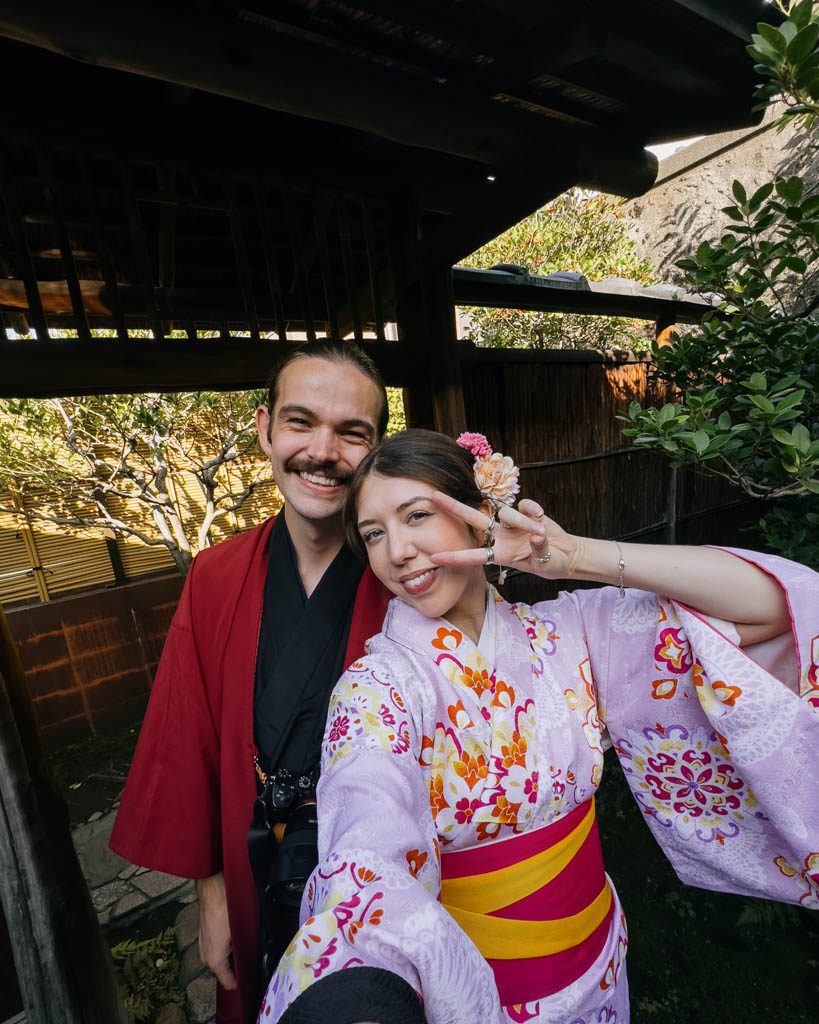
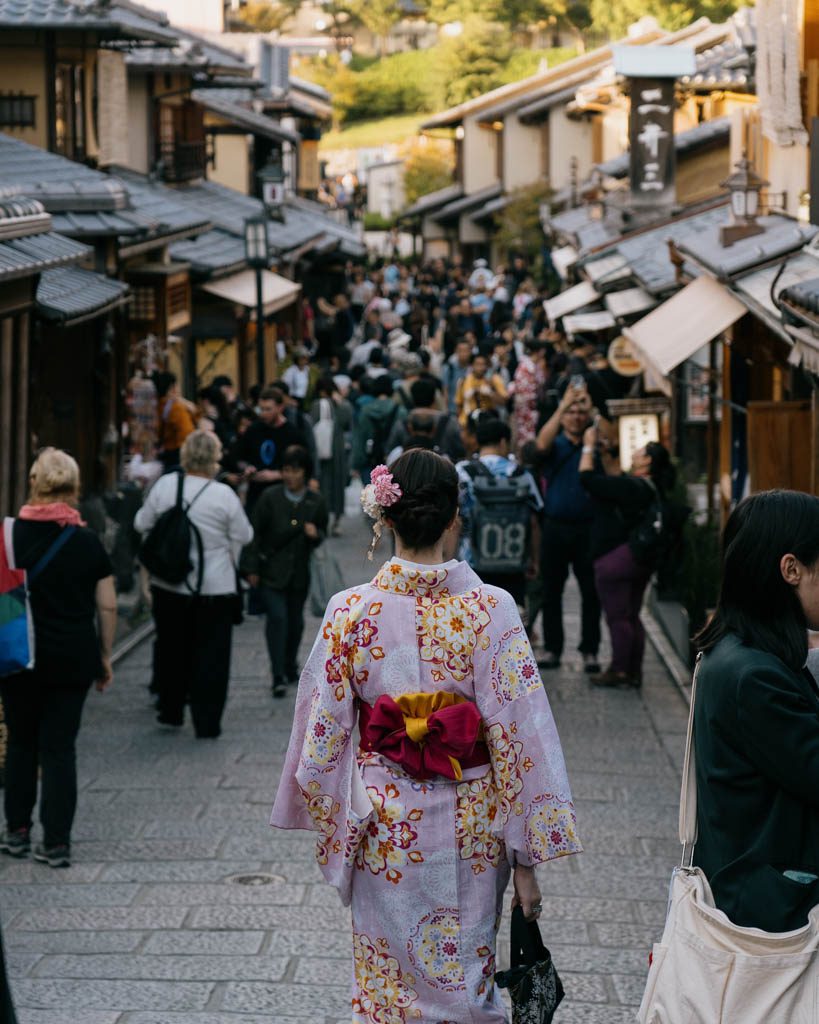
One unique way to immerse yourself in Japanese culture and see the sights of the Gion district is to rent a traditional kimono in Kyoto. This was a highlight from our trip to Kyoto. Wandering Gion and taking photos at Kiyomizu-dera made the perfect backdrop.
If you’re worried about sticking out, don’t be. Renting a kimono is an extremely common practice in Japan, for locals and tourists alike. It’s an experience that everyone should get to take part in, a sentiment shared by our Japanese friends. Just be respectful and enjoy!
You can rent a kimono in most of Japan’s major cities but there’s no better place to do it than in Kyoto. We rented ours as part of a traditional Japanese tea ceremony. Keep reading for our advice on that.
5. Traditional Tea Ceremony
As we mentioned above, this was part of the best experience we had in Kyoto. We booked a traditional tea ceremony with Maikoya at their Gion Kiyomizu location and absolutely loved it!
We were dressed in a kimono of our choosing before heading to the tea house, where we learned why the ceremony matters and how it’s a form of hospitality between host and guest. We then made and drank our own green tea, snapped some photos in the tea house’s gardens, and headed out to explore Gion in our kimono.
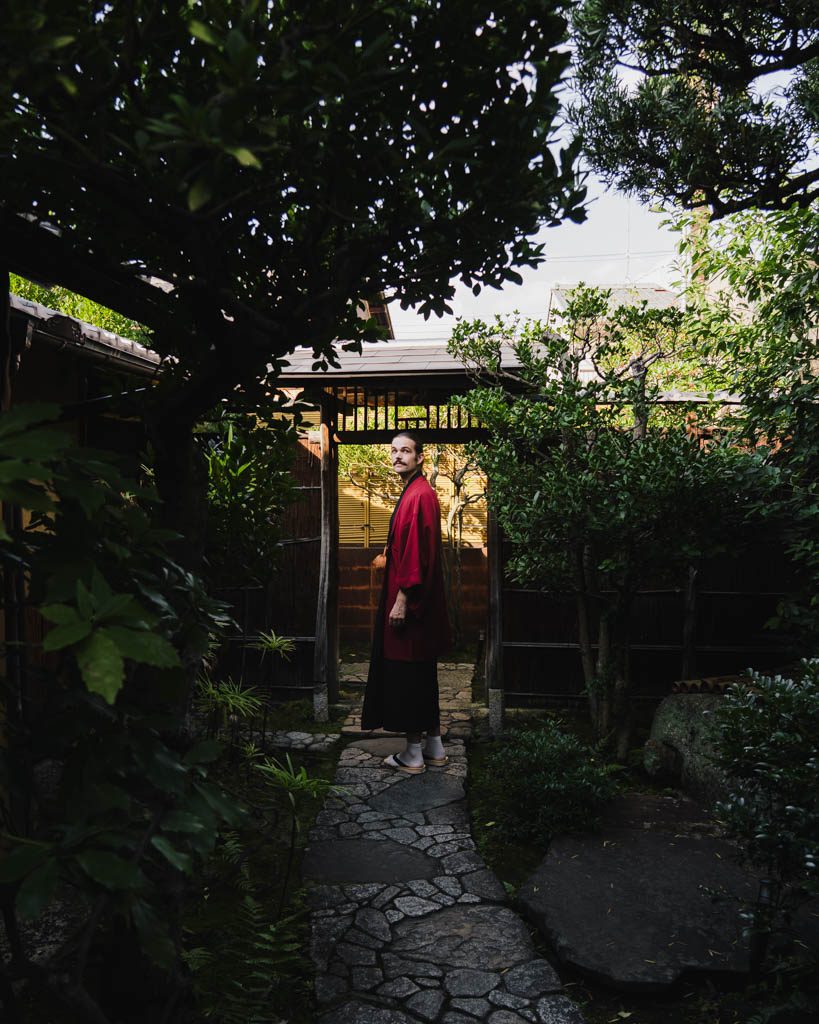
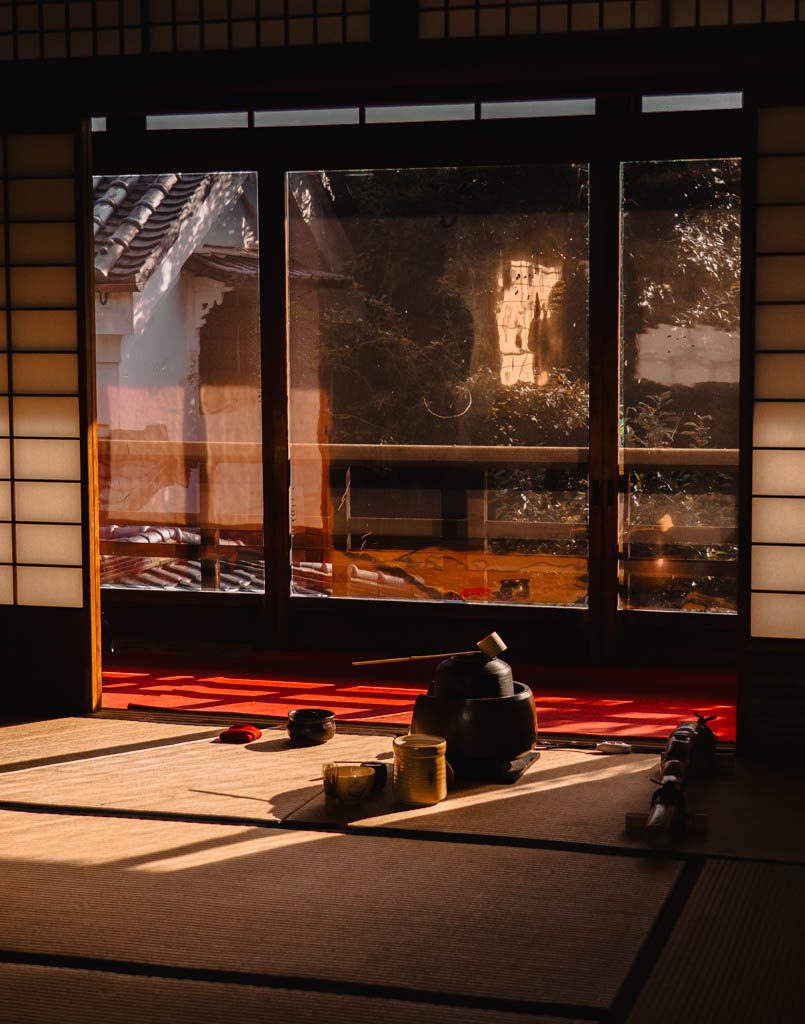
Top tip: Make sure you book a tea ceremony in the Gion district where you get to keep the kimono for the rest of the day. It’s a great way to explore the city.
6. Arashiyama
Arashiyama is less of a single attraction than a whole district in north-west Kyoto, best known for its bamboo forest.
Honestly, in our opinion the bamboo forest is overhyped. Even on our first trip to Kyoto when we arrived super early in the morning, we were still met with crowds of people crammed along a narrow path through a small bamboo grove. We were definitely underwhelmed.
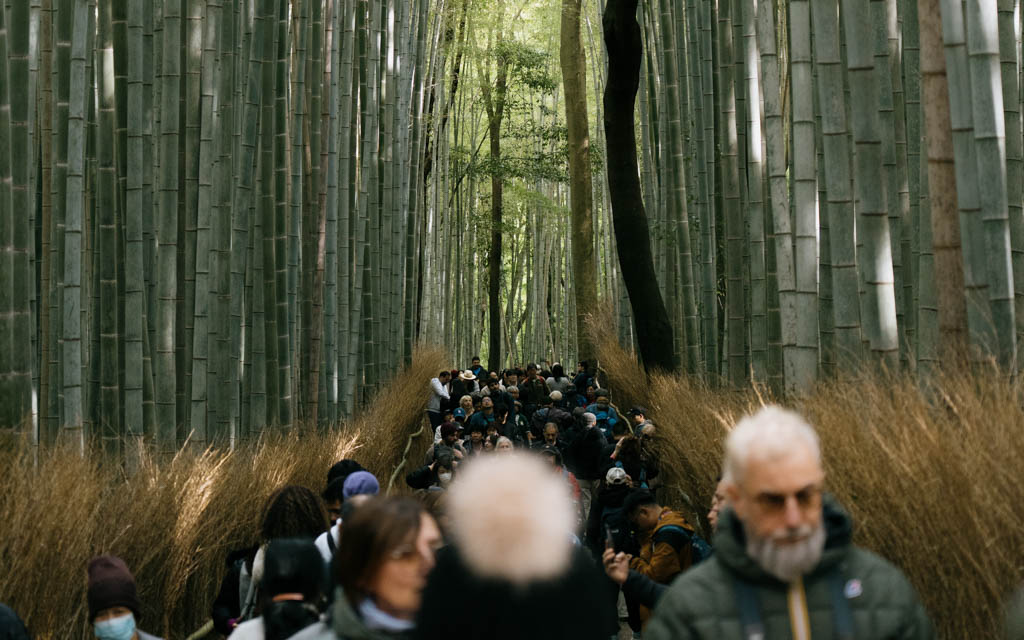
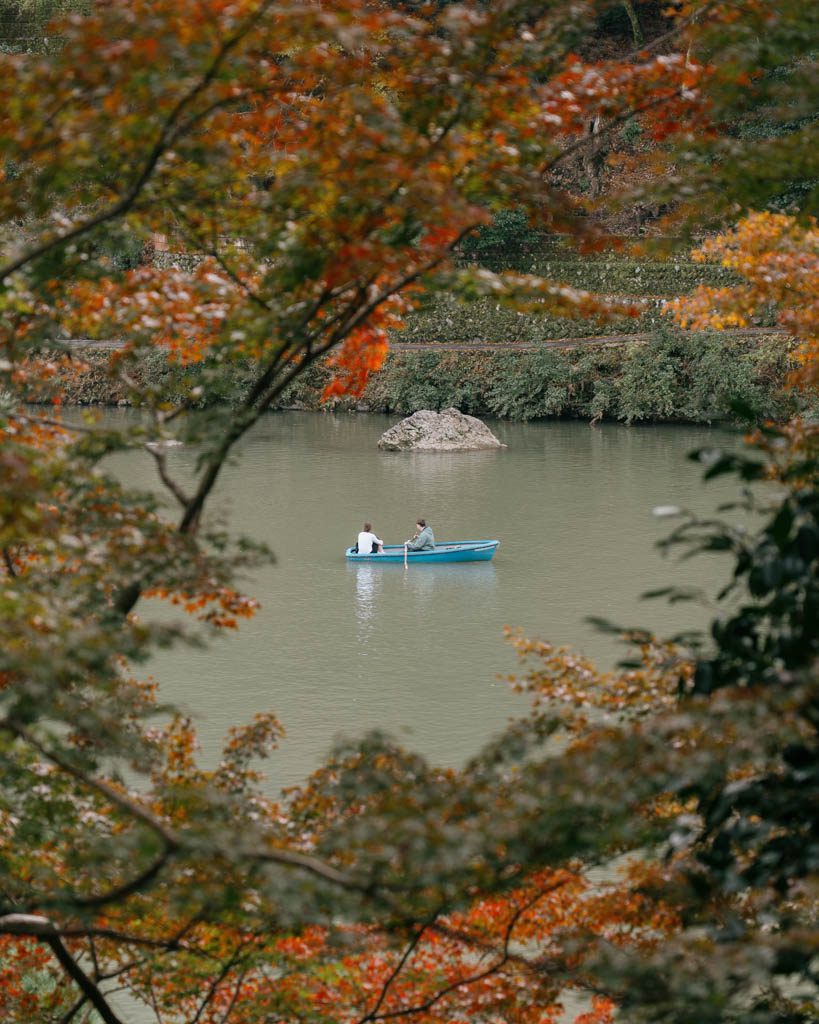
Since going back, we’ve learned there is so much more to Arashiyama. Whether it’s strolling through Arashiyama Park or rowing down the Katsura River, the attraction of Arashiyama doesn’t begin and end with the bamboo grove.
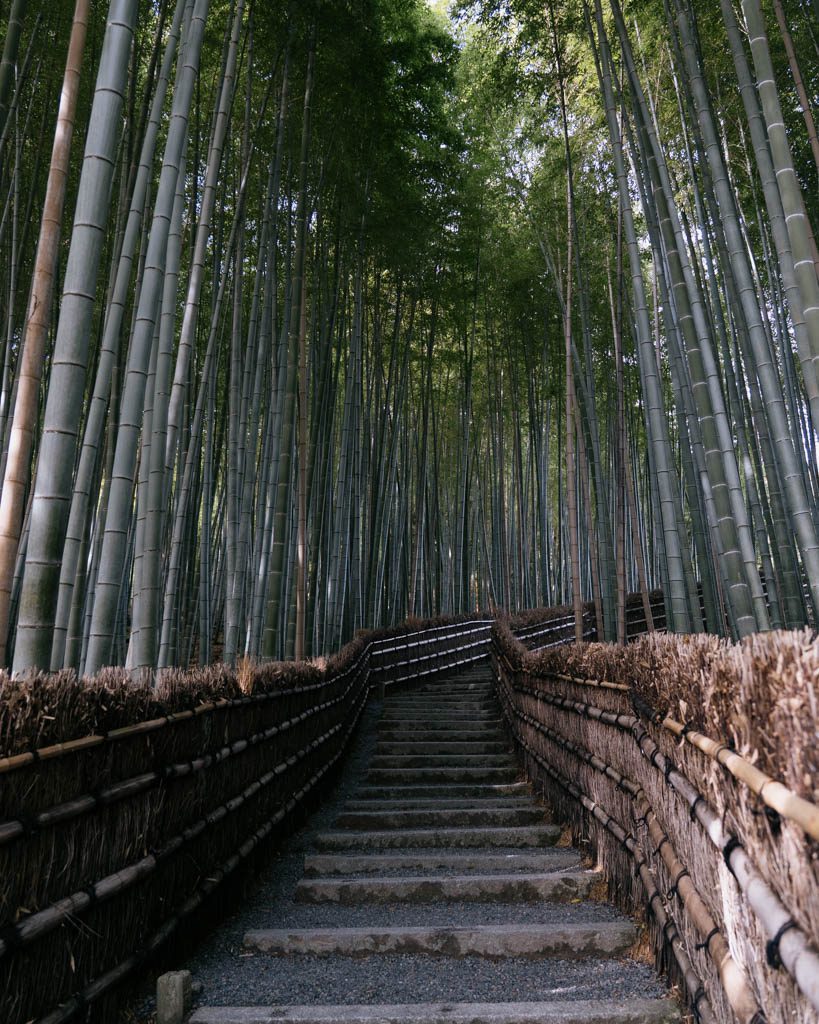
For a quieter bamboo grove, head to Adashino Nenbutsu-ji. This small temple has its own mini grove, which we had all to ourselves when we visited. You can see how we fit it into a day in our 3-day Kyoto itinerary.
7. Kinkaku-ji (Golden Pavilion)
While this temple didn’t make it onto our list of top temples in Kyoto, it deserves a spot here. Kinkaku-ji is a small but beautiful Zen temple in northern Kyoto which features a three-storey pavilion adorned in gold leaf. Its uniqueness draws crowds from all over the world and whilst we did enjoy ticking it off the list, it left us wanting more.
The main pavilion itself is located on a small island in a pond with no public access. You simply walk around the pond and enjoy views of the pavilion from all angles. Whilst the temple is more than just the pavilion, and you can enjoy the rest of the grounds, it’s the shiny gold structure that draws a crowd.
The route is one way, so plan to spend around 30 to 45 minutes. Admission is ¥500 (£2.40) and your ticket is a paper temple charm, which makes a nice keepsake. It pairs easily with a trip to Arashiyama on the same day, as we did in our 3-day Kyoto itinerary.
8. Nishiki Market
Nishiki Market is a marketplace in downtown Kyoto that you will never get bored of. With fresh seafood, wagyu beef, sake, coffee and sweet treats, there’s practically everything you could want. We particularly love taking our friends to Nishiki Yatai Mura for ¥100 (50p) sake and some meat skewers.
We frequently visited the market on our trip to Kyoto, choosing to try different stalls rather than tackle it all at once. One of the reasons we recommend staying in central Kyoto is so you have easy access to Nishiki Market as you come and go from your hotel.
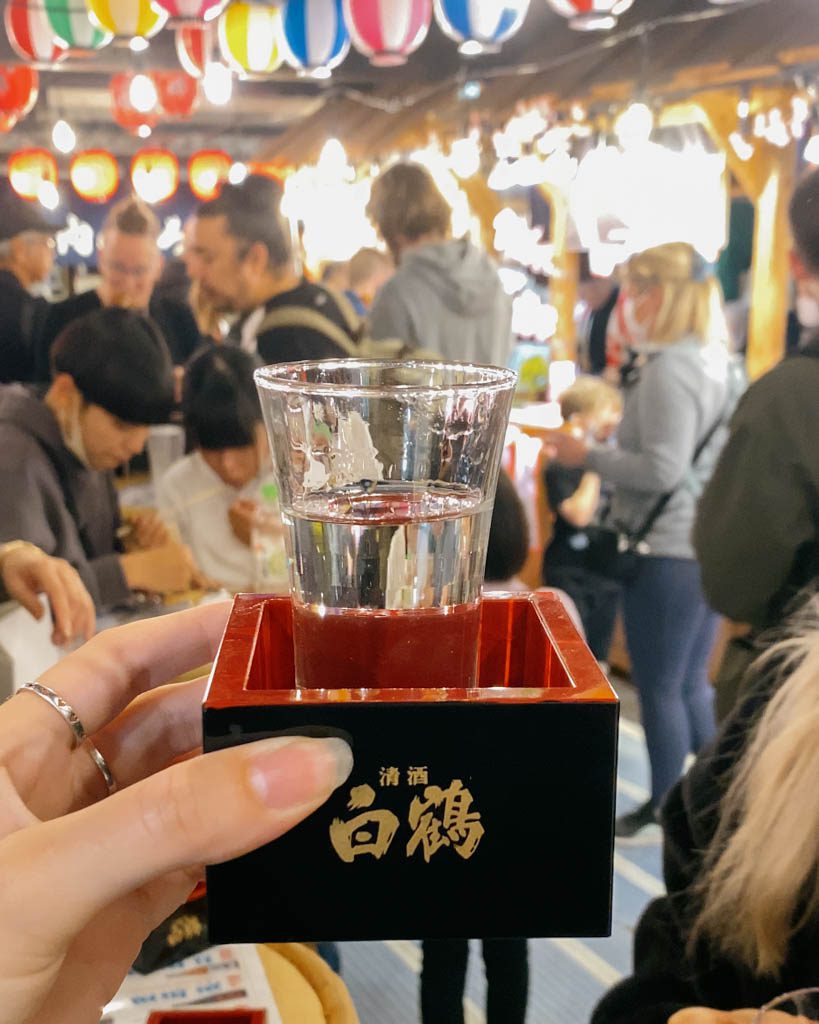
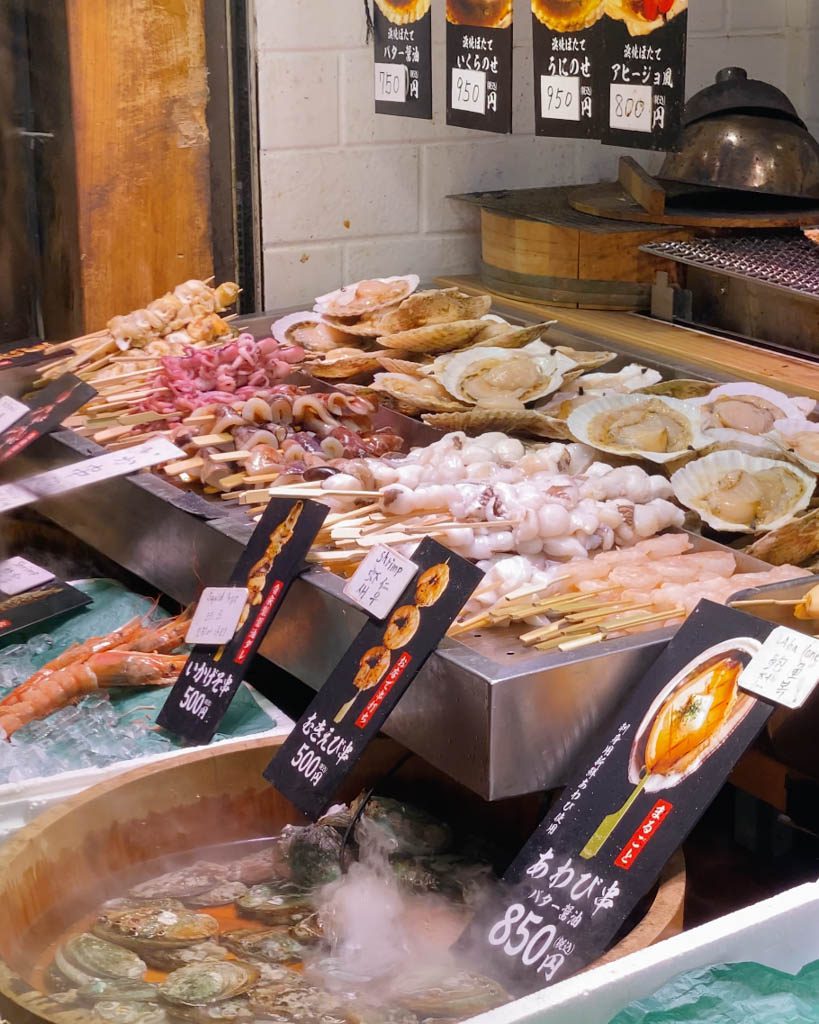
Most stalls close by late afternoon (around 5pm), so go earlier in the day. Many ask you to finish eating at the stall instead of walking, so don’t be shy and grab a spot. The shopping streets around the market are some of our favourite shopping areas in Japan, so give yourself time to wander.
9. Nijo Castle
Whilst you might have Osaka Castle on your Japan itinerary already, we think it’s worth throwing in another and visiting Nijo Castle when you’re in Kyoto. Trust us, it’s a completely different vibe.
Whilst Osaka Castle is a multi-tiered museum poking out of Osaka’s skyline, Nijo is much more low-key and kept true to its original purpose.
That’s not to say Nijo Castle isn’t special in its own right. The grounds are absolutely beautiful and the historical and cultural significance is worth booking a tour for. One thing we regret from our trip is not learning enough about the castle, which we later learnt was the home of the first Tokugawa shogun, Tokugawa Ieyasu.
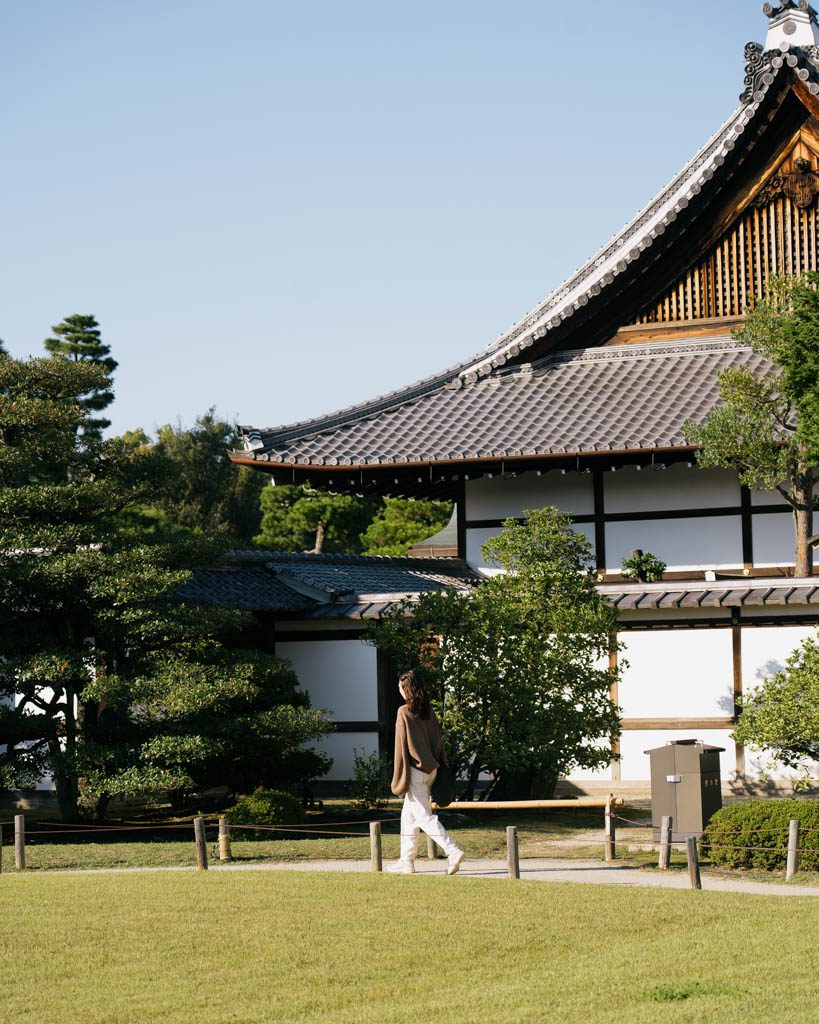
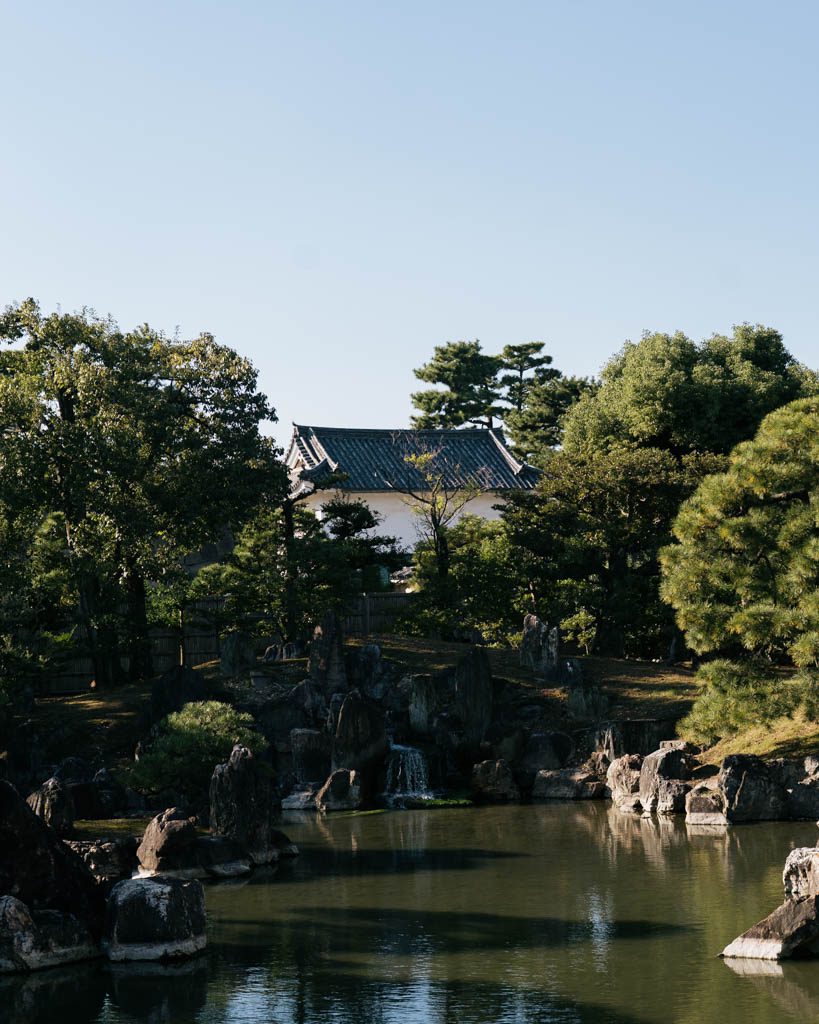
If exploring incredibly preserved feudal Japanese castles is up your street, then definitely check out Nijo Castle, and if it isn’t, it’s still worth a visit!
It costs ¥800 (£3.80) to visit the grounds and ¥1300 (£6.20) to include entry to the palace. Being as cheap as we are, we only explored the grounds.
10. Enko-ji Temple
It’s only by the smallest margin that Enko-ji didn’t make it into our top 5 temples to visit in Kyoto. If we were to write a second list, Enko-ji would be at the top.
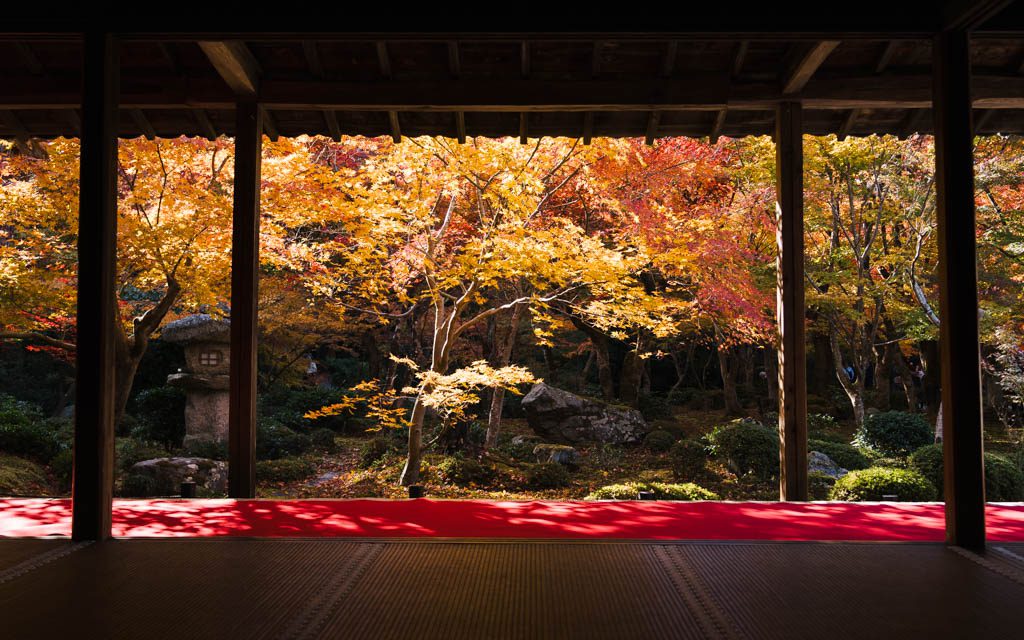
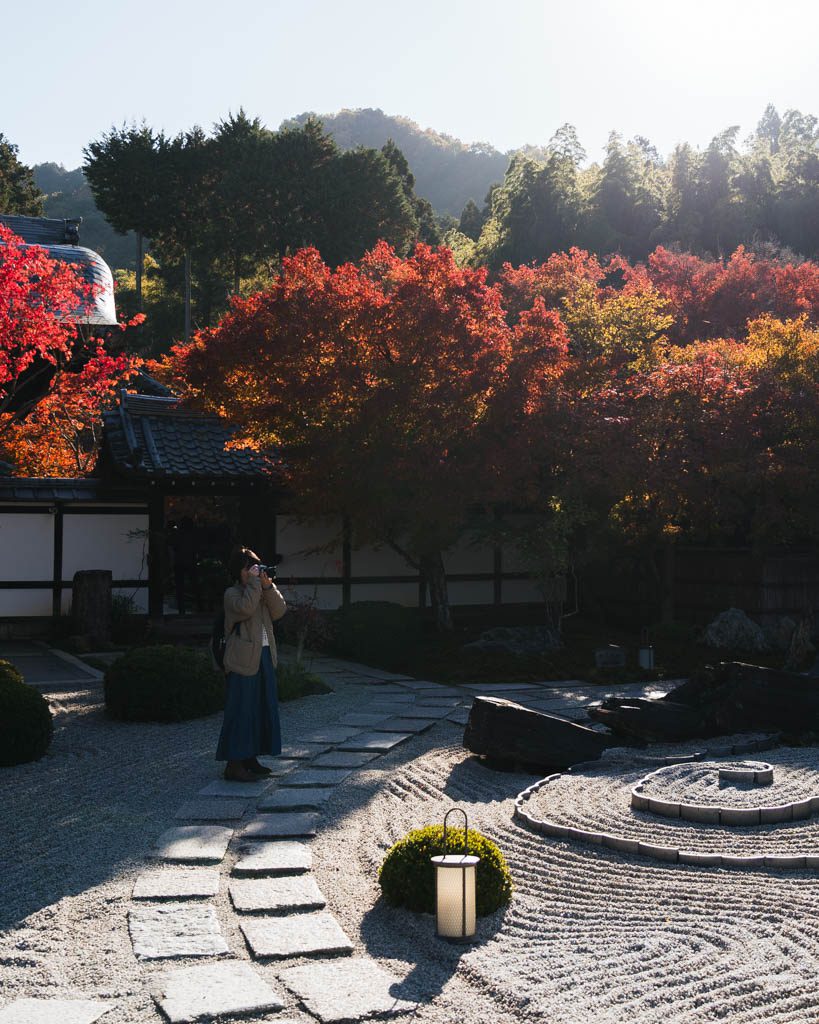
The biggest caveat though is that this temple is best enjoyed in autumn. We even completely changed our travel plans to come back to Kyoto three weeks later in order to see this temple at its best.
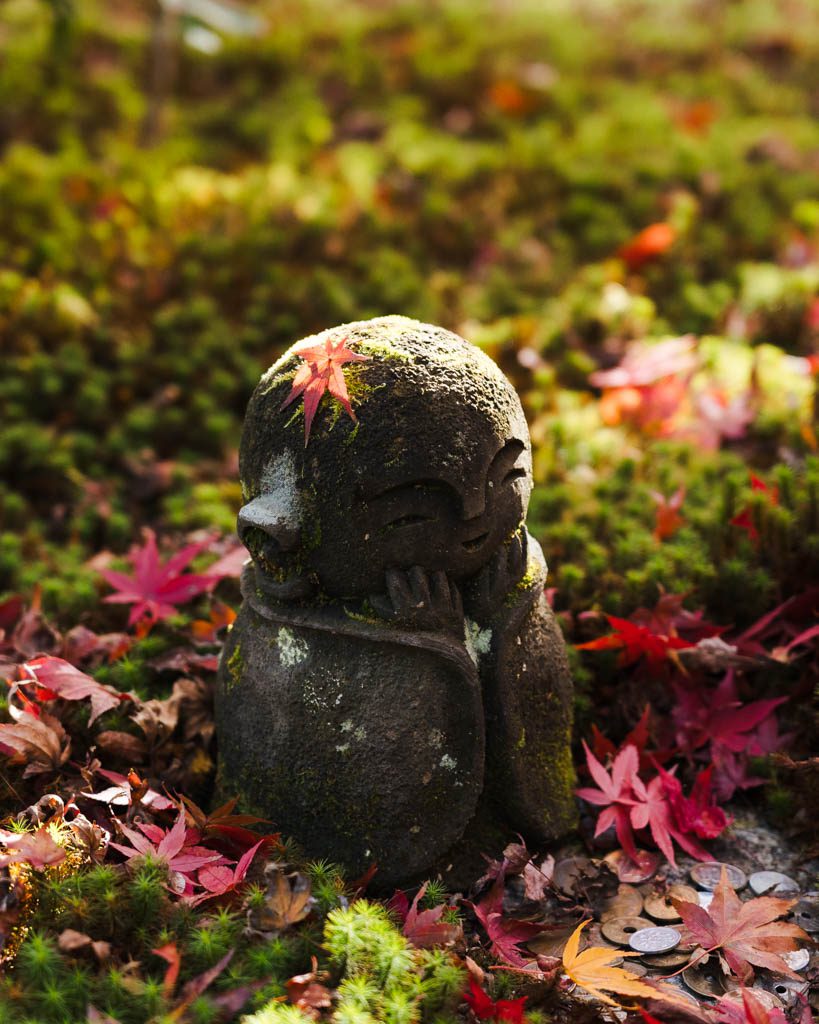
Enko-ji is a small Buddhist temple in the northeast of Kyoto that has some of the most vibrant autumn leaves we’ve ever seen. It creates the perfect backdrop as you sit and watch the world go by from the temple’s tea room.
11. Kurama and Kifune
A trip to Kurama and Kifune is a half-day trip in its own right.
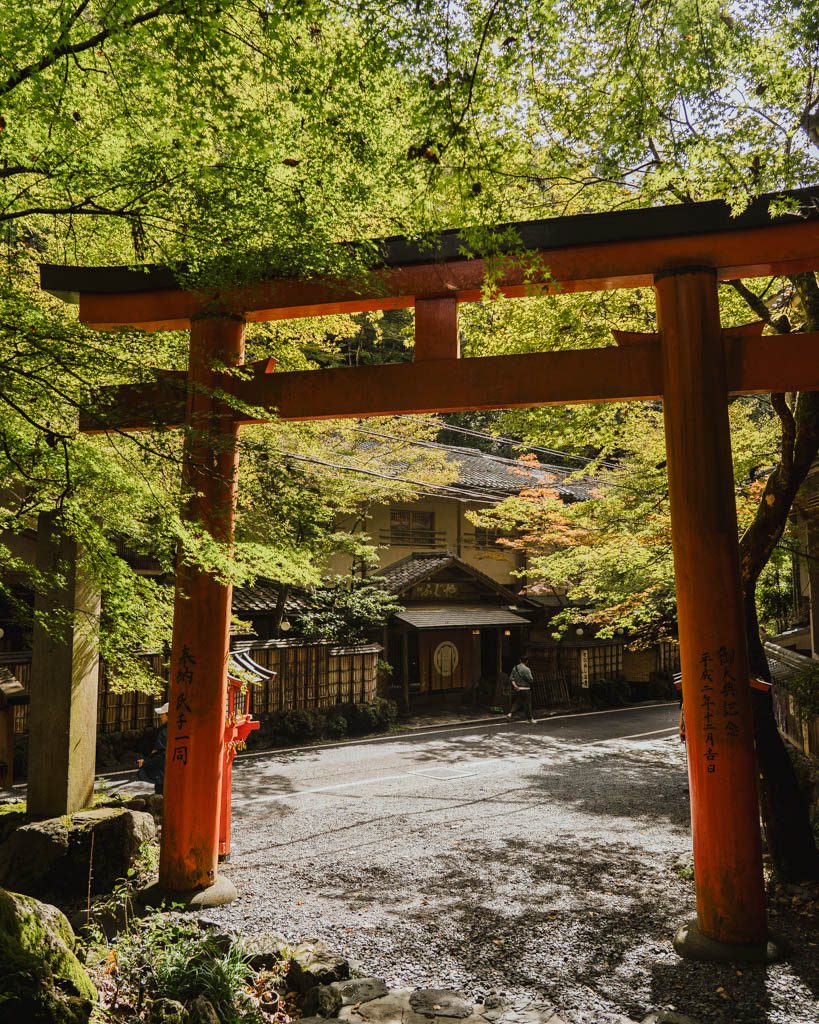
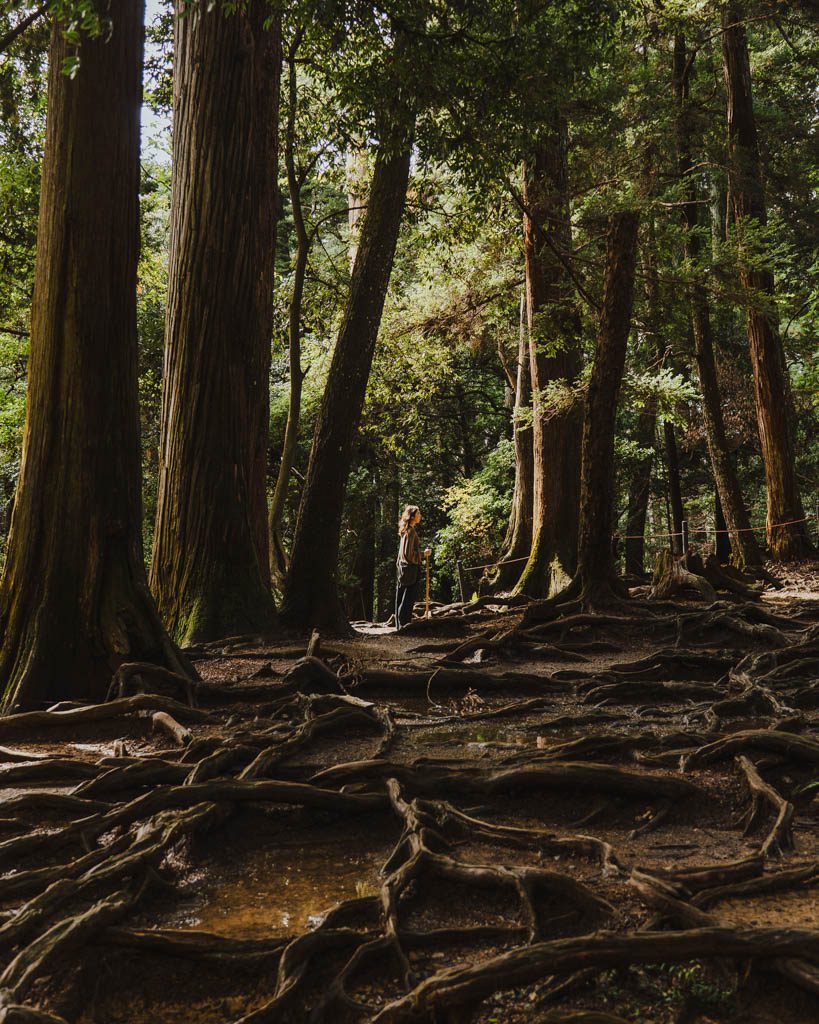
On the northern edge of Kyoto sits Mt. Kurama, home to Kurama-dera, a mountain temple that feels like a breath of fresh air after the city. Over the mountain, in a river valley, is Kifune Shrine, best known for the staircase of red lanterns leading up to its entrance. We stopped to take photos there, and it’s one of the most photogenic spots we found outside central Kyoto.
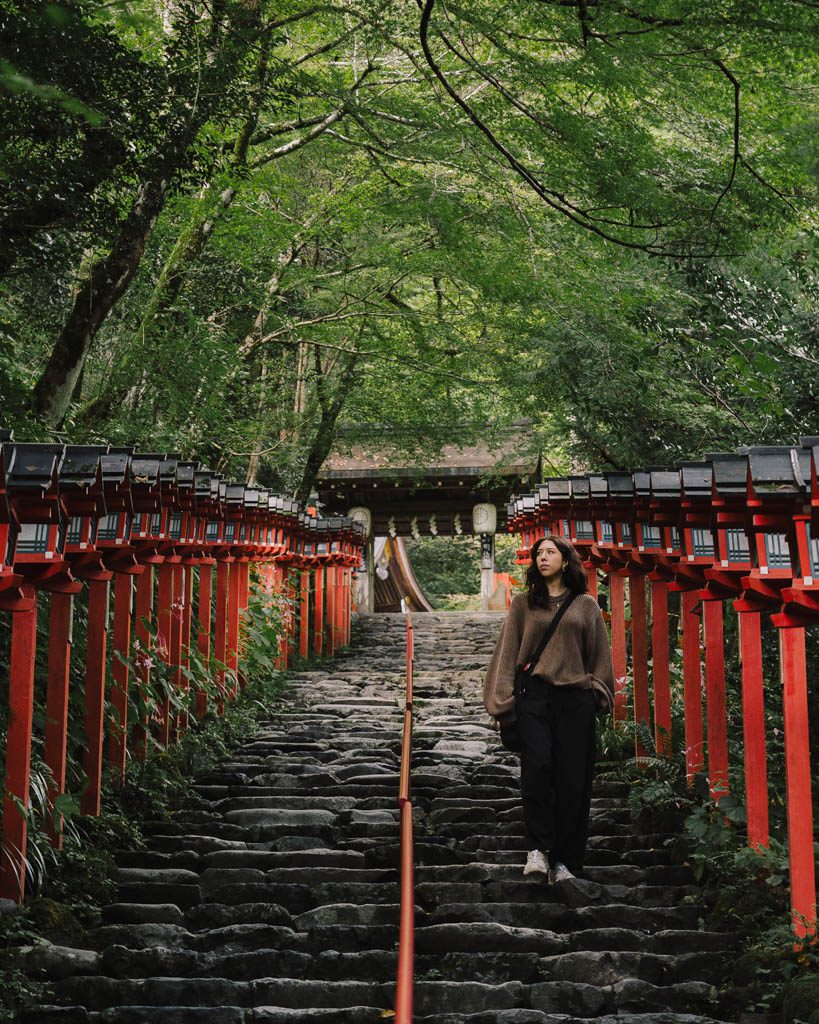
The crazy thing is, it’s so easy to reach from the city and yet we hardly met any other people. The beauty of visiting Mt. Kurama is that you get an incredible temple, a shrine and a stunning but short hike all in one small trip. The hike between the two took us around 1.5 hours, including stops for photos. Thankfully, we enjoyed it in gorgeous weather, just without the autumn foliage we were hoping for.
We think it deserves its own write-up and will cover it in a dedicated guide soon.
12. Day Trip to Nara
No trip to Kyoto (or Osaka) is complete without a trip to Nara.
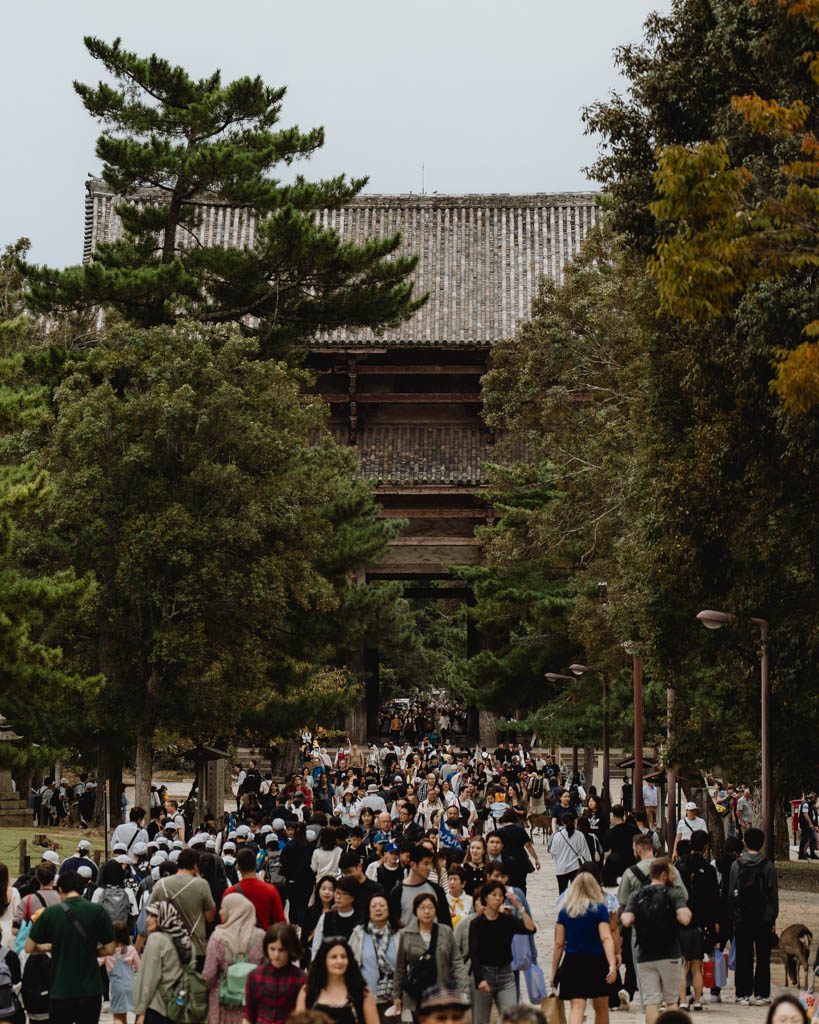
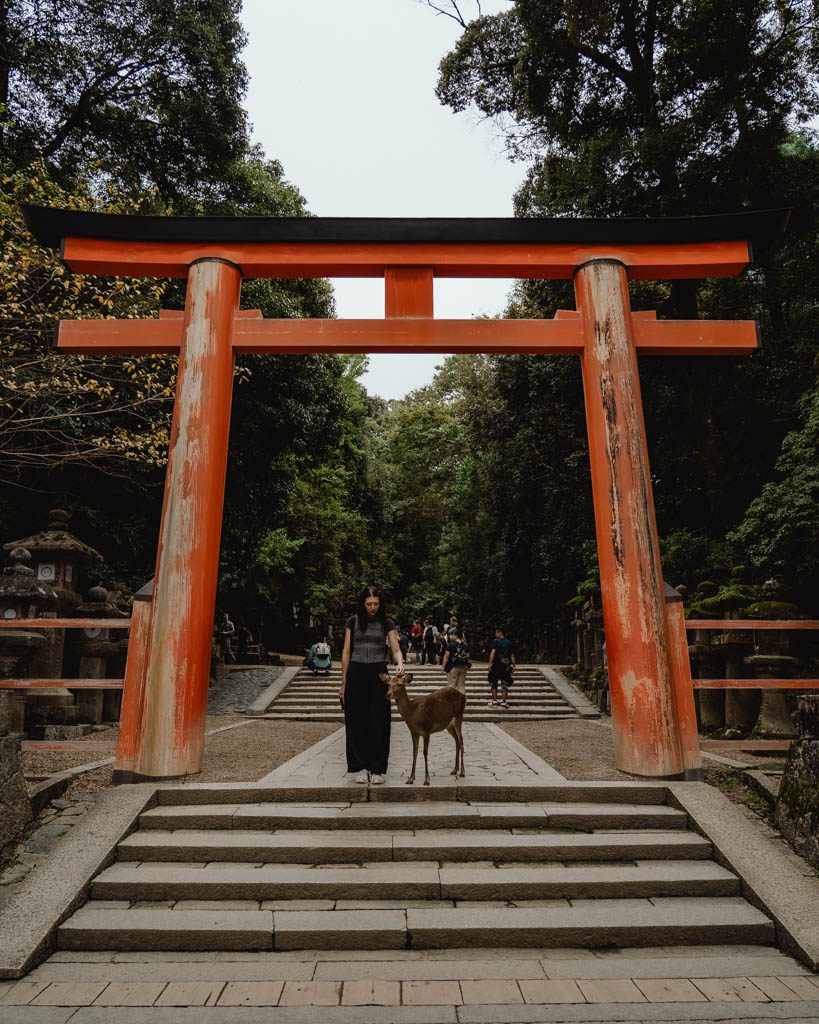
Nara is one of the easiest day trips from Kyoto, around 45 minutes away by train. It’s home to Todai-ji, where the Great Buddha sits inside one of the largest wooden buildings in the world, and Nara Park, where the famously friendly deer roam free. Buy a pack of deer crackers from the vendors, or find them on the floor like we did, and get ready to be mobbed by deer the moment you open them.
We’ll cover the full route and what to see in our dedicated Nara day trip guide (coming soon).
13. Day Trip to Uji
Uji is a small riverside town about 20 to 30 minutes from Kyoto Station, and it’s the place to go for matcha. The town has grown green tea for centuries, so you’ll find matcha everything, from ice cream to soba noodles. As self-proclaimed matcha sceptics who are slowly warming up to it, it was interesting to see just how many things they can infuse matcha with.
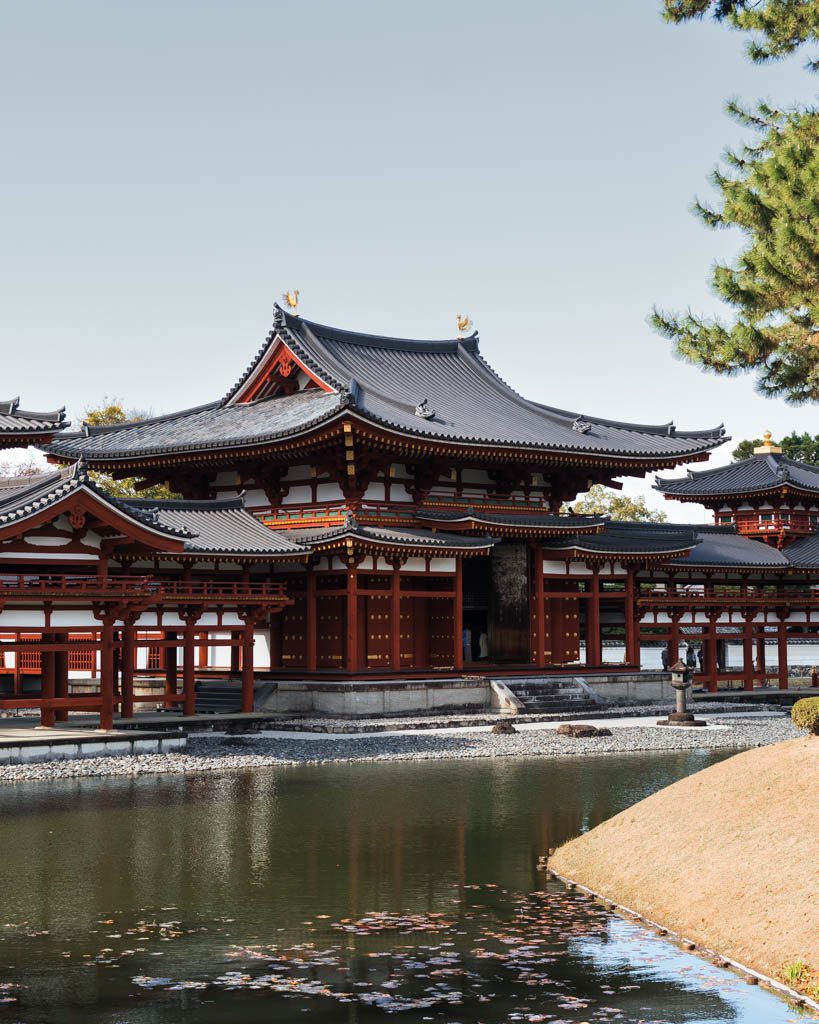
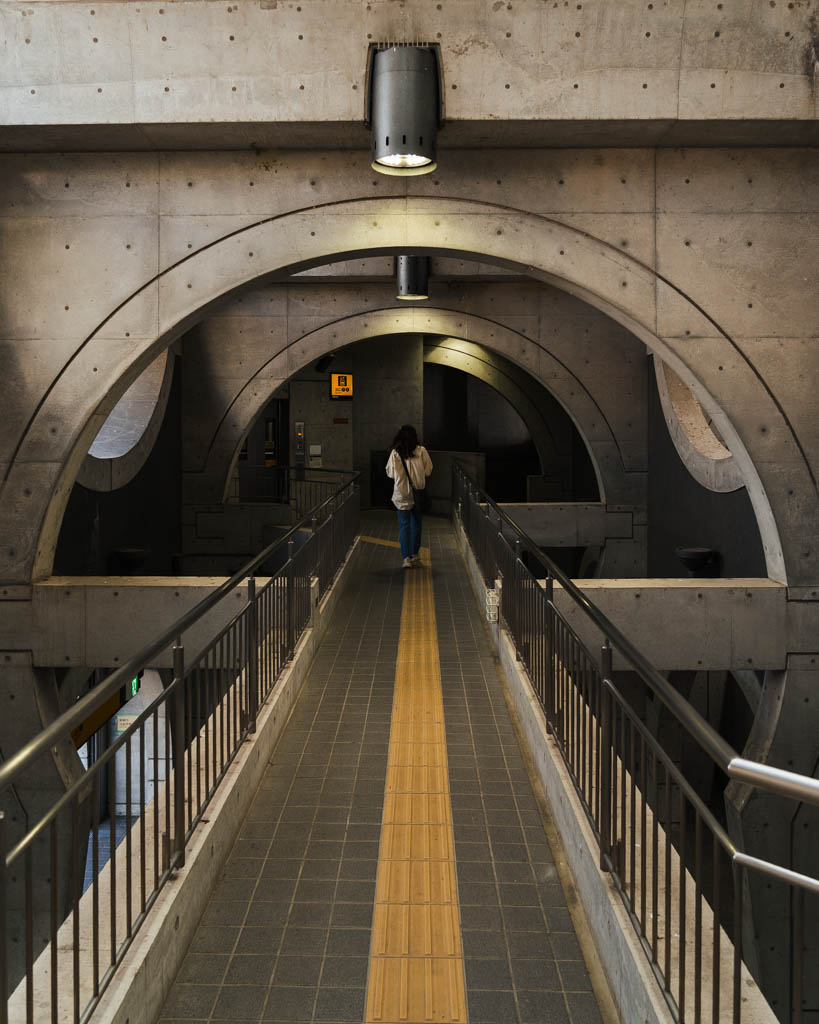
Visit Byodo-in, the temple you’ll recognise from the 10 yen coin. It’s a short walk from Uji Station (Keihan), one of the more interesting stations we’ve seen in Japan, with brutalist architecture that’s worth getting to the platform early for.
Find out more in our Uji day trip guide (coming soon)!
Things to Know Before Visiting Kyoto
🚃 Suica Card: We can’t imagine life in Japan without a Suica card. It makes getting around Kyoto’s trains and buses effortless. We’ve written a full guide on setting up a Suica card.
📱 Get an eSIM: Google Maps works best with a good connection (offline maps have failed us before), and Google Translate is a must for menus and talking to staff. Check our guide to the best eSIM options in Japan.
💴 Bring Cash: Many temples in Kyoto charge a small fee and some only accept cash. Keep some on you and keep the ticket as a souvenir, as every temple puts effort into its tickets.
⏰ Beat the Crowds: Set your alarm early. The best way to see the top attractions is to be the first one there, and Arashiyama, Kiyomizu-dera and Fushimi Inari get crazy busy by midday.
🛡️ Get Travel Insurance: Japan is incredibly safe, but illness, injuries or cancelled flights can quickly become expensive problems. Here’s our guide to the best travel insurance for backpackers.
🙏 Be Respectful: Follow the crowd and read the signs. Many temples, especially in the interiors, have no-entry signs for certain areas, so stick to them. We’ve seen plenty of tourists stepping over barriers and giving the rest of us a bad rap.
Kyoto Things to Do FAQs
How many days do you need in Kyoto?
Three days covers Kyoto's highlights without rushing. See how we fit it all in with our 3-day Kyoto itinerary. With extra time, add a day trip to Nara or Uji, or a half-day at Kurama and Kifune.
What is the best time of year to visit Kyoto?
Autumn is our favourite time to visit Kyoto, when temples like Kiyomizu-dera and Enko-ji are at their best with bright red leaves. Popular spots are busy in any season, so visit early where you can.
How do you avoid the crowds in Kyoto?
Go early. Kiyomizu-dera is the busiest temple we've visited, so arrive first thing. Quieter options include Kurama and Kifune, where we hardly met anyone, and the small bamboo grove at Adashino Nenbutsu-ji in Arashiyama.
Is the Arashiyama bamboo grove worth visiting?
In our opinion, not on its own, as it was crowded even when we arrived super early. For a quieter alternative, visit Adashino Nenbutsu-ji, a small temple with its own mini bamboo grove.
Is renting a kimono in Kyoto worth it?
Yes, it was a highlight of our trip. Renting a kimono is common in Japan for locals and tourists alike. We rented ours as part of a tea ceremony in Gion and kept it on to explore the area afterwards.
Can you visit Nara and Uji as day trips from Kyoto?
Yes, both are easy day trips. Nara is around 45 minutes from Kyoto by train, and Uji is about 20 to 30 minutes from Kyoto Station.
Where is the best place to stay in Kyoto?
We recommend central Kyoto, with easy access to Nishiki Market. See our where to stay in Kyoto guide for recommendations.
Related Posts
Hi! We’re Mark & Sarah.
We’ve been travelling the world together for the past 4 years. Exploring destinations such as Europe, South America, South East Asia, Japan and Australia. Now we’re sharing everything we’ve learned on our travels, to help you get out there and have your own adventures!