Best Temples in Kyoto - Our Top 5 Picks & Tips for Visiting
- Last Updated On September 29, 2026
Disclaimer: Some of the links on this site are affiliate links. This means I may earn a small commission if you make a purchase through them at no extra cost to you. I only recommend things I genuinely use or believe in.
Death by temple is a real thing, you’ll hear it all the time when people talk about travelling around south east Asia. But it’s one thing we’ve never experienced in Japan; no matter how many temples we visit, we never get bored.
Japan is home to some of our favourite temples in the world, and when it comes to the best temples in Kyoto, the cultural heart of the country, we’re spoilt for choice.
Our love for Japan’s temples actually started in Tokyo, when we visited Senso-ji on our first trip back in 2023. Since then we’ve explored temples up and down the country, and a lot of our favourites are still in Kyoto.
In this guide we’ll talk you through our pick of the best temples in Kyoto, why they’re our favourites, and when to visit each one. Keep reading for our seasonal tips and top hits.
In a Rush? Here Are Our Favourite Hotels in Kyoto
Top 5 Kyoto Temples at a Glance
- Daigo-ji – Sprawling, quiet temple grounds in eastern Kyoto, best known for autumn foliage around the temple bridge.
- Eikan-do – Famous for its momiji reflected in the temple pond, with a night illumination event during peak autumn.
- Nanzen-ji – A grand temple complex with a surprising Roman-style aqueduct running through the grounds.
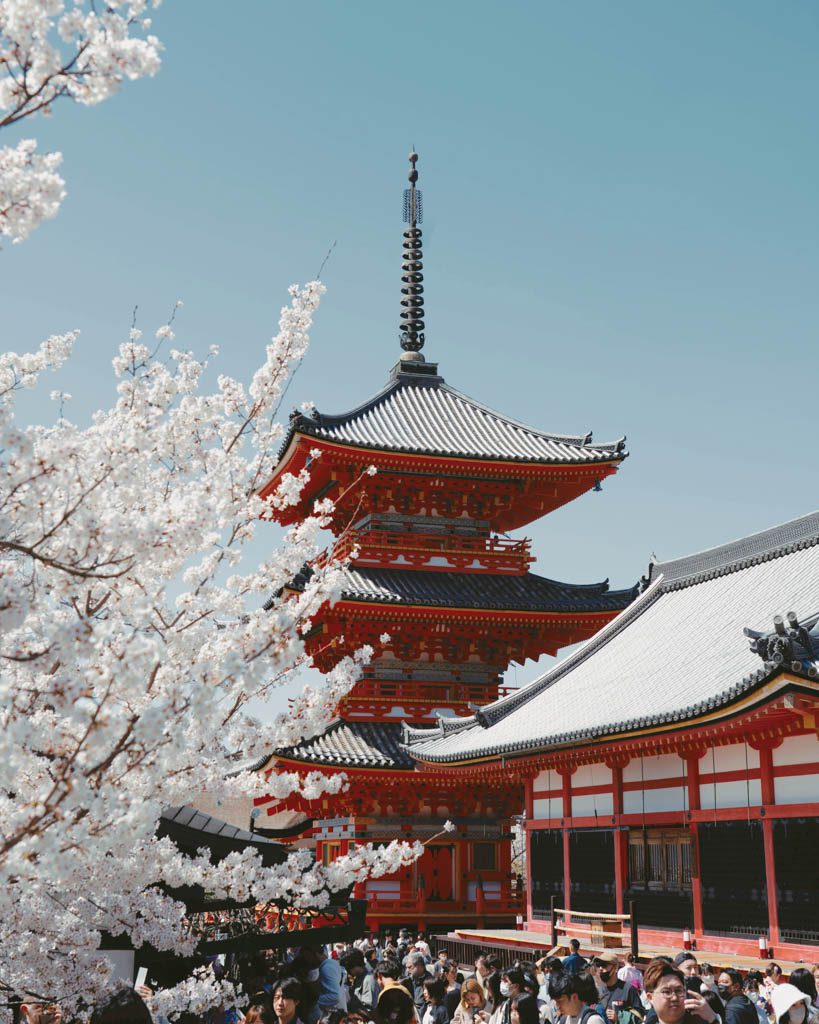
- Kiyomizu-dera – Kyoto's most iconic temple, with a wooden pagoda and sweeping city views, especially at sunset.
- Adashino Nenbutsu-ji – A peaceful alternative to the Arashiyama bamboo grove, tucked away with far fewer crowds.
Kyoto’s Temples - Our Experience
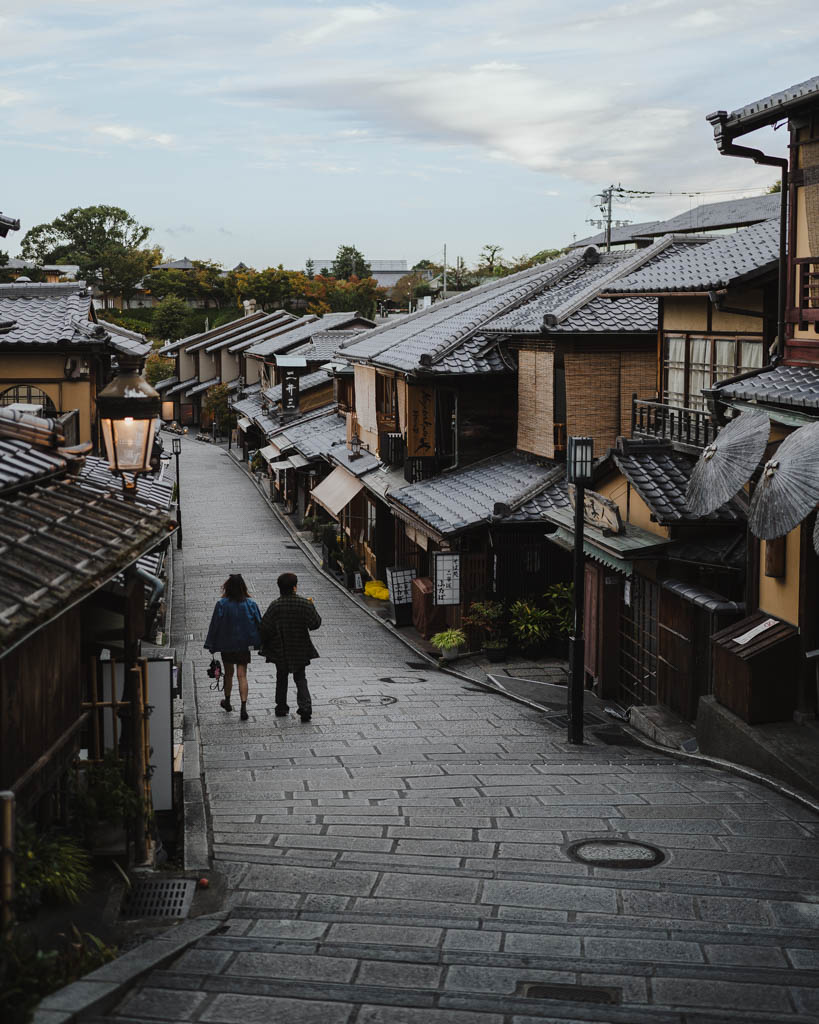
Our first trip to Japan in 2023 really opened our eyes to the beauty and history of the country, and no city did it better than Kyoto. After 10 days in Tokyo and Osaka, getting off the train in Kyoto we could immediately tell the vibe was different. The neon lights were gone, the buildings were older, and it felt like every corner hid a new temple or shrine. We still remember walking past Higashi Honganji, just north of Kyoto station, and feeling like this modern city had simply grown around its historic temples. It’s a feeling you don’t get in Tokyo.
We’ve been back several times since, most recently in 2024 as part of 10 months travelling around Japan, and we fall more in love with the city every visit, always finding new temples and new pockets of its Shinto and Buddhist history. If ticking off Kyoto’s best temples is on your list, you’re in the right place.
If you want to see several of these in one trip, check out our 3-day Kyoto itinerary, which weaves in Kiyomizu-dera, Fushimi Inari, and Arashiyama alongside the rest of the city.
The 5 Best Temples in Kyoto - Our Top Picks
Daigo-ji: A Quiet Escape Near Fushimi Inari
Daigo-ji is a 1,000+ year old Buddhist temple in the east of Kyoto. We first discovered it while chasing autumn foliage, and were blown away by how stunning, and quiet, it was.
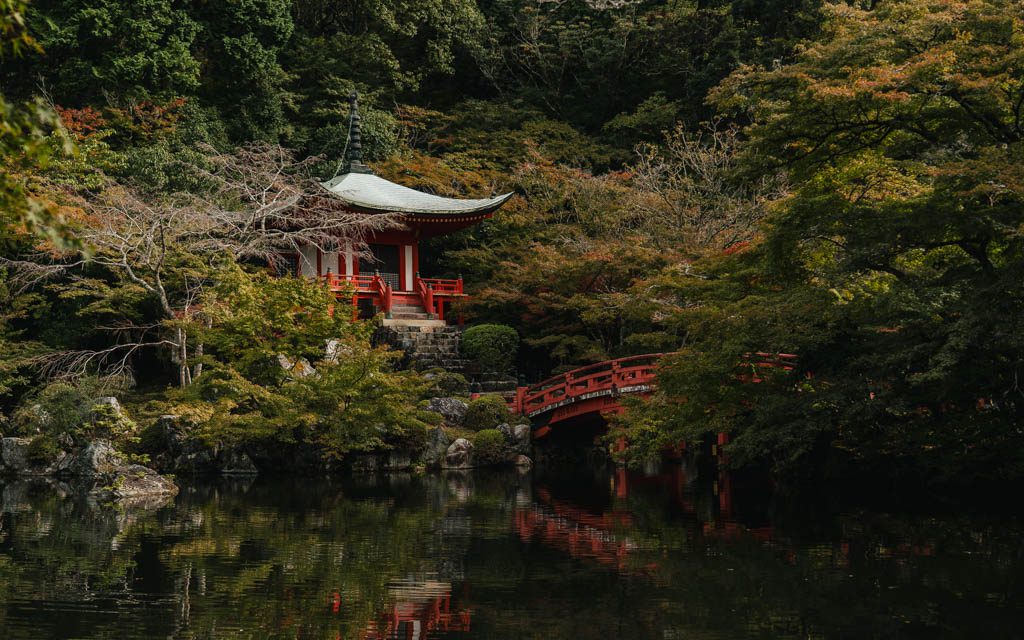
We stopped here after a morning at Fushimi Inari, on a day mixing in some of Kyoto’s classic sights with a trip to Japan’s matcha capital, Uji. Battling through the arriving crowds to hop back on the train, we arrived at Daigo-ji around 10am and were shocked by how quiet it was, a world away from where we’d just come.
The grounds are stunning, sprawled over a surprisingly large area. We chose to just visit the Garan, since we were mainly there for the autumn colours around the temple bridge, and the ticket was cheaper too, at only ¥600 (£2.90) each (check out current prices here).
We’ll let the photos paint how spectacular this place is.
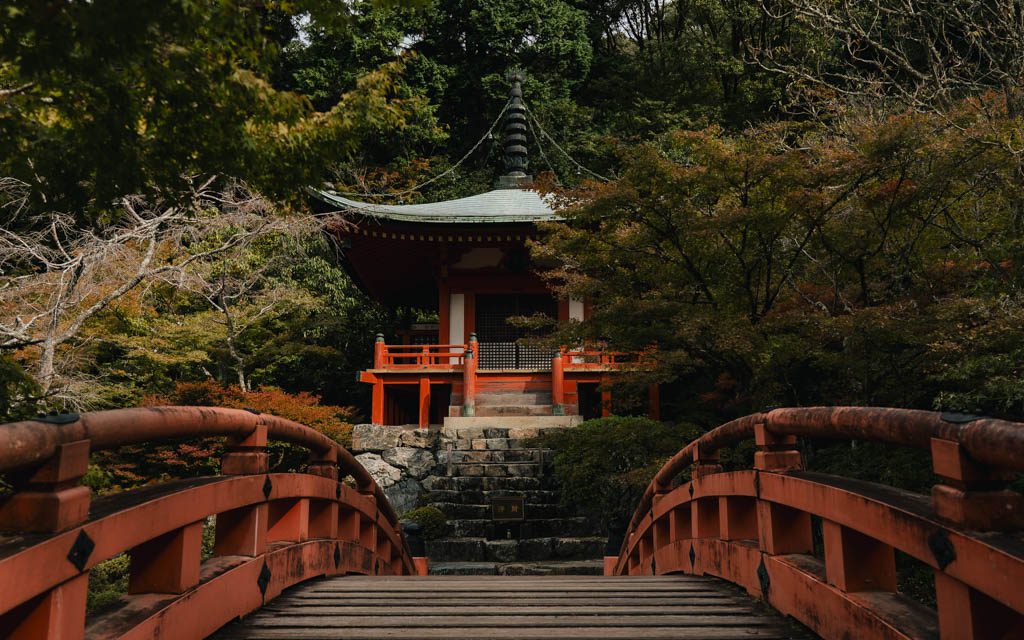
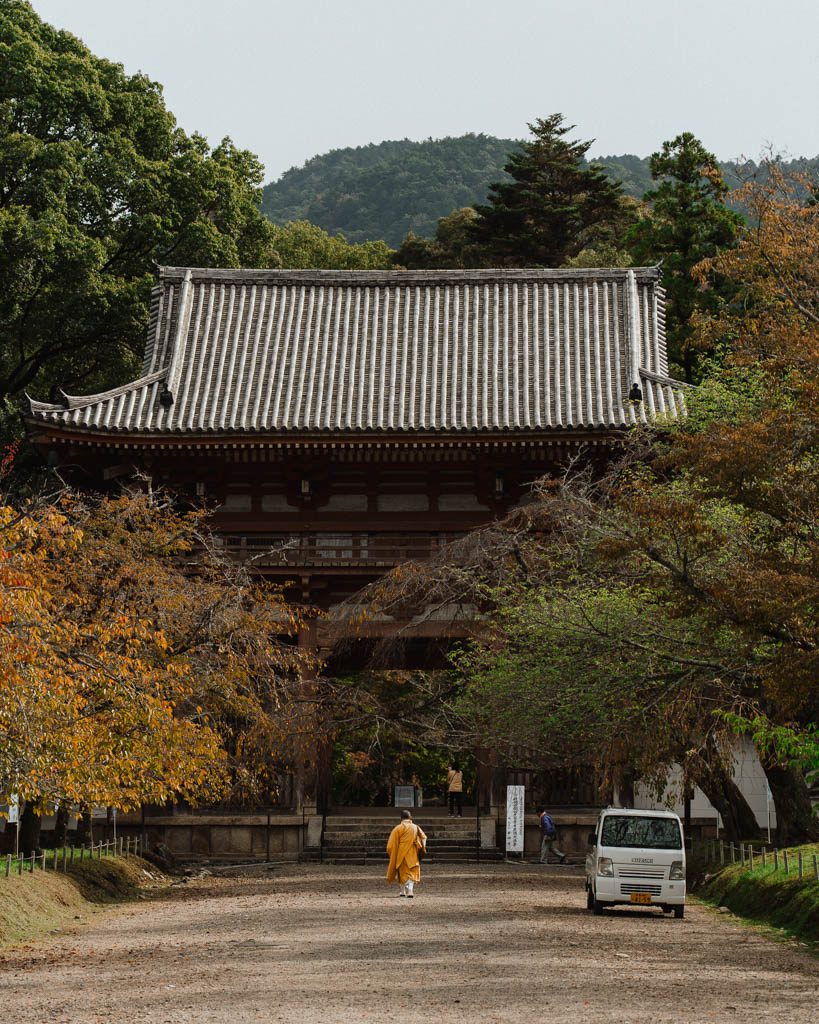
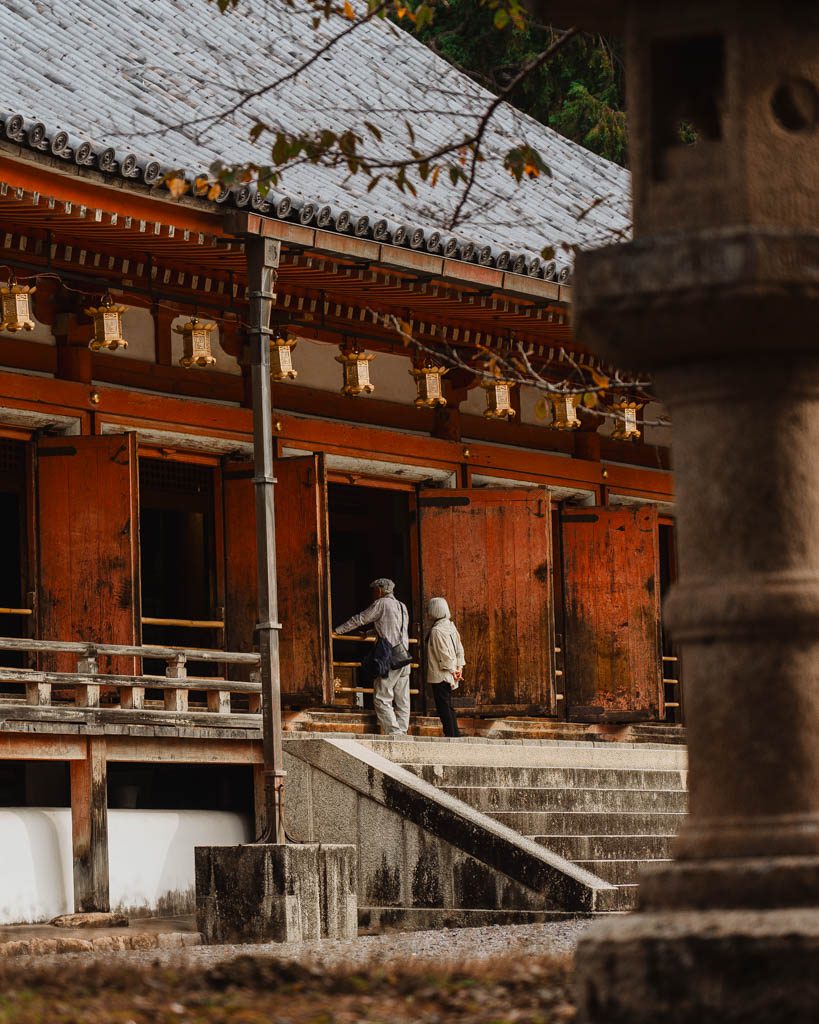
When to Visit: We aimed for autumn to see the red and orange foliage. However, spring cherry blossoms also bloom here and look incredible. Just be aware tickets are more expensive in spring.
If you’re looking for activities to do after visiting Daigo-ji, make the most of the journey out of the city and visit Uji, the matcha capital of Japan. It’s worth a half-day trip in its own right and is home to another temple that deserves an honourable mention, Byodo-in.
Eikan-do: Autumn Leaves & Pond Reflections
When we made plans to visit Kyoto in autumn, we foolishly arrived in late October, not realising we were far too early. Even though we were in Kyoto for two weeks, we only caught the slightest glimpse of autumn colours.
Thankfully though, Eikan-do is gorgeous with or without the autumn foliage.
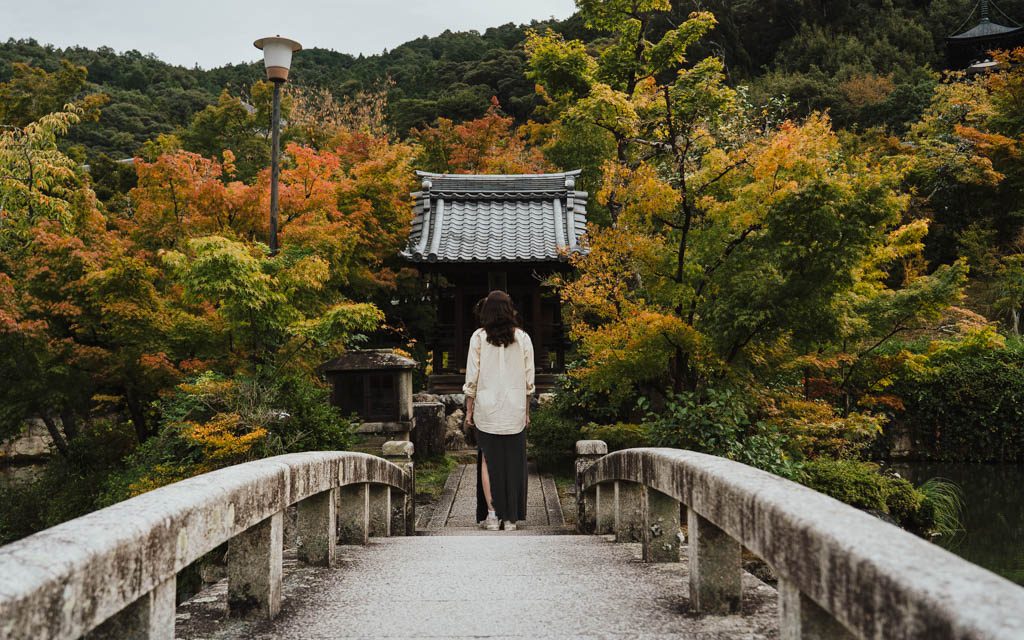
We were some of the first people to arrive at 9am and got to wander around the grounds with little crowd, and whilst we mainly came to see the momiji trees reflected in the pond, we were pleasantly surprised by just how gorgeous the whole area was.
This was our first quiet temple experience in Kyoto which is why we always recommend getting to your destination as early as possible. Especially in Kyoto!
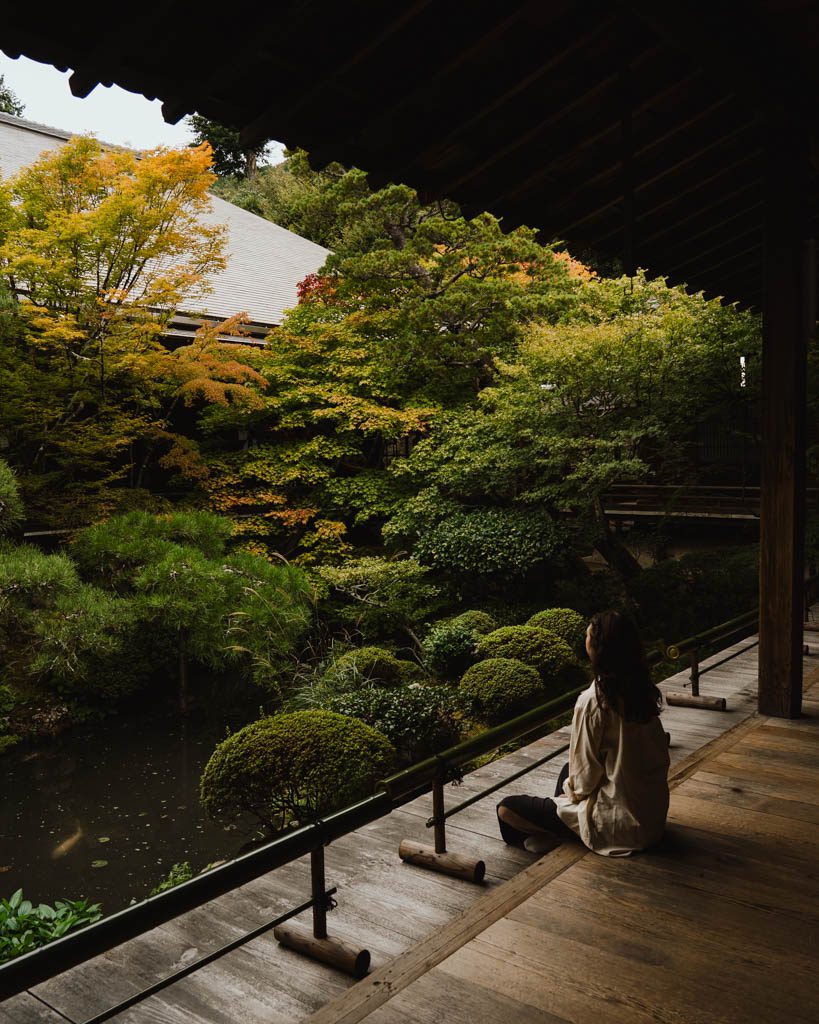
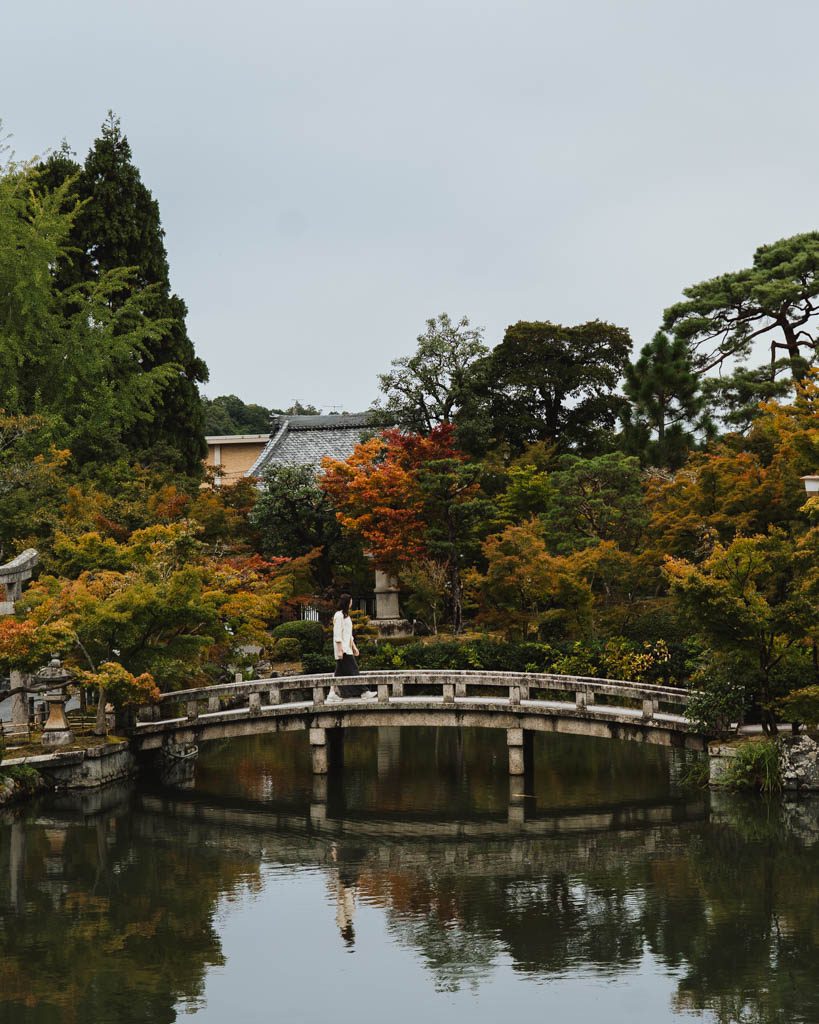
When to Visit: Autumn foliage is by far the best time to visit Eikan-do. There’s even night time illumination events where you can see the momiji reflecting in the pond.
Nanzen-ji: Tranquil Gardens & Momiji Colours
Nanzen-ji was certainly a unique experience for us. Cowering under our umbrellas in the pouring rain we were determined to visit this temple before leaving Kyoto. In the end we actually spent a lot of our time taking shelter in Nanzen-in, one of the temple grounds within the wider complex.
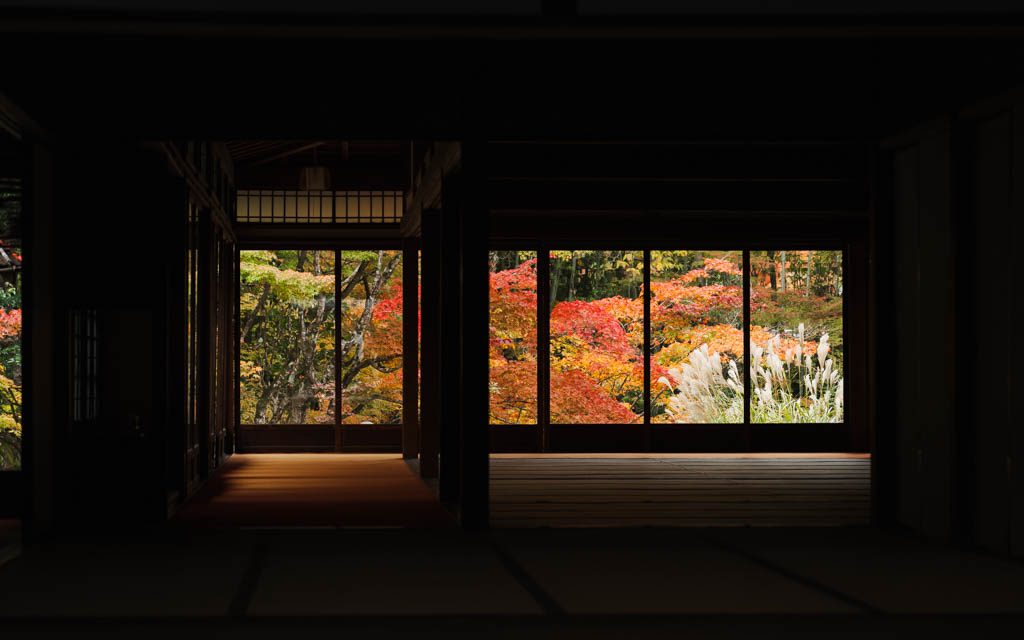
Whilst it was fairly busy it was also quite tranquil sitting in a traditional Japanese garden surrounded by autumn colours as the rain came down heavily.
In between the downpours we tried to explore more of the grounds, frequently sheltering beneath the temple itself, and stumbled across one of the more surprising things to find in a Japanese temple, an aqueduct.
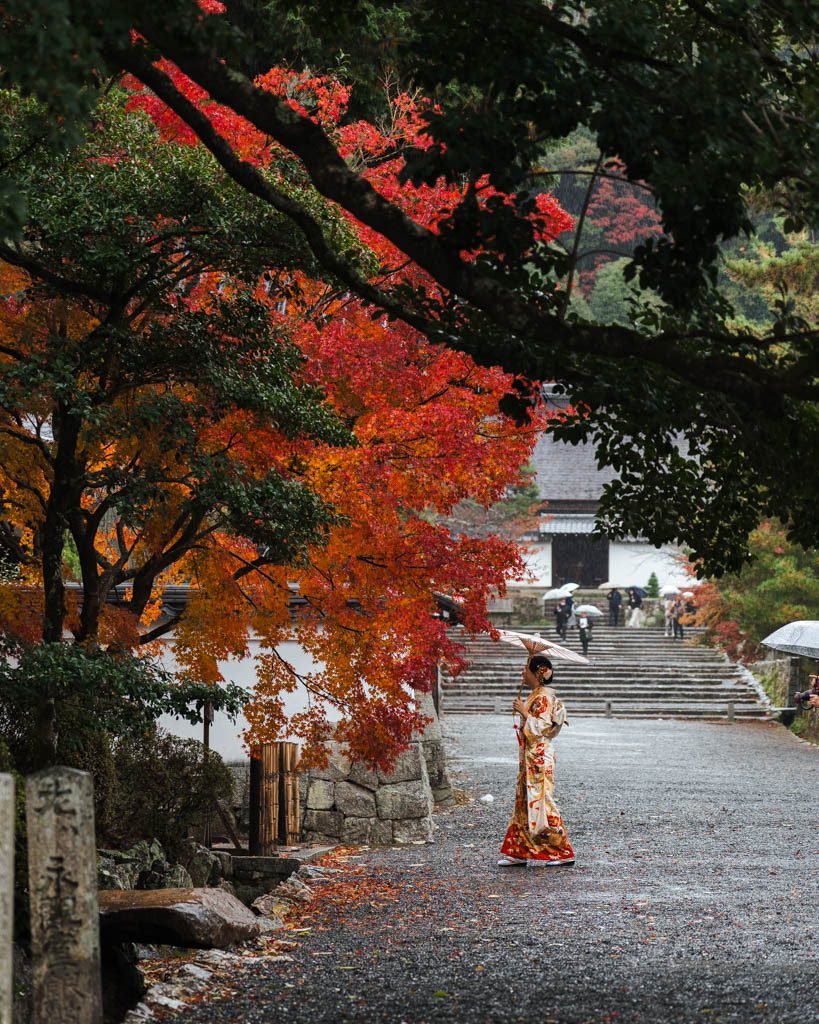
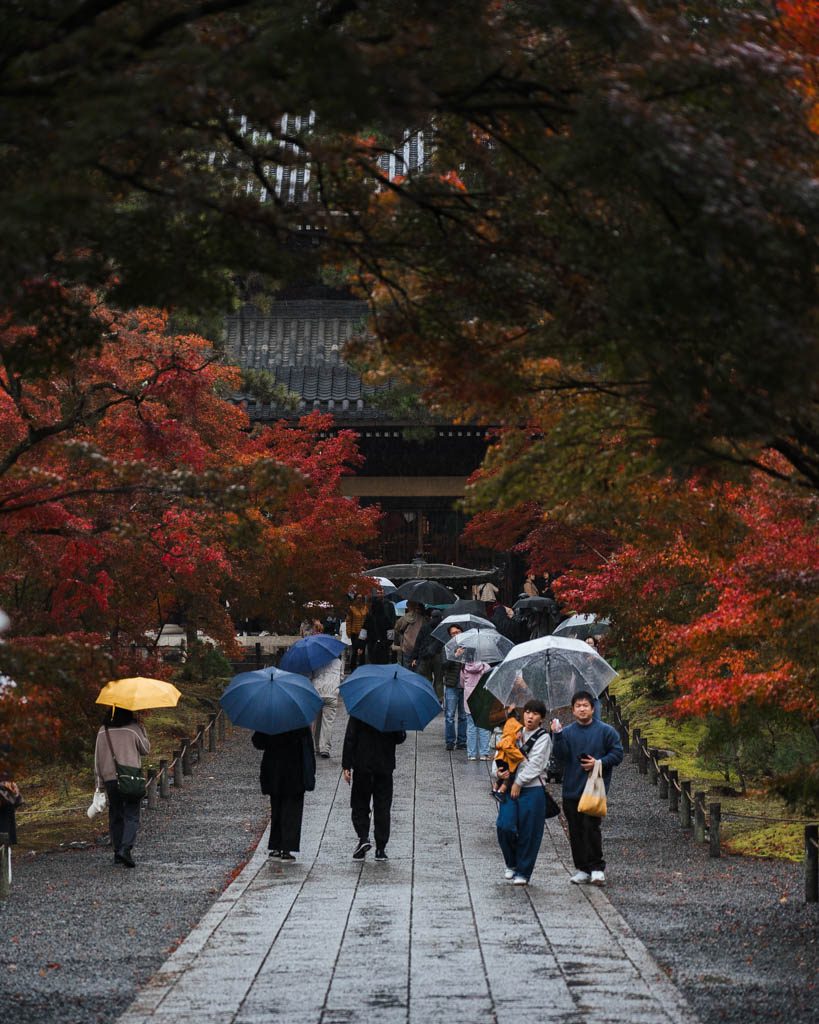
There were so many people dressed in kimono around Nanzen-ji. Autumn and spring are always popular times to get dressed up and take photos beneath the colourful leaves.
When to Visit: Like most of Kyoto, Nanzen-ji looks its best in spring and autumn, when the leaves (and the kimono-clad visitors) are out in full force.
Kiyomizu-dera: Sweeping Sunset Views
We thought we’d try and be different to every other guide out there and leave this off the list, but we simply can’t. Kiyomizu-dera might be highly rated and at the top of every Kyoto guide but once you’ve visited you begin to see why.
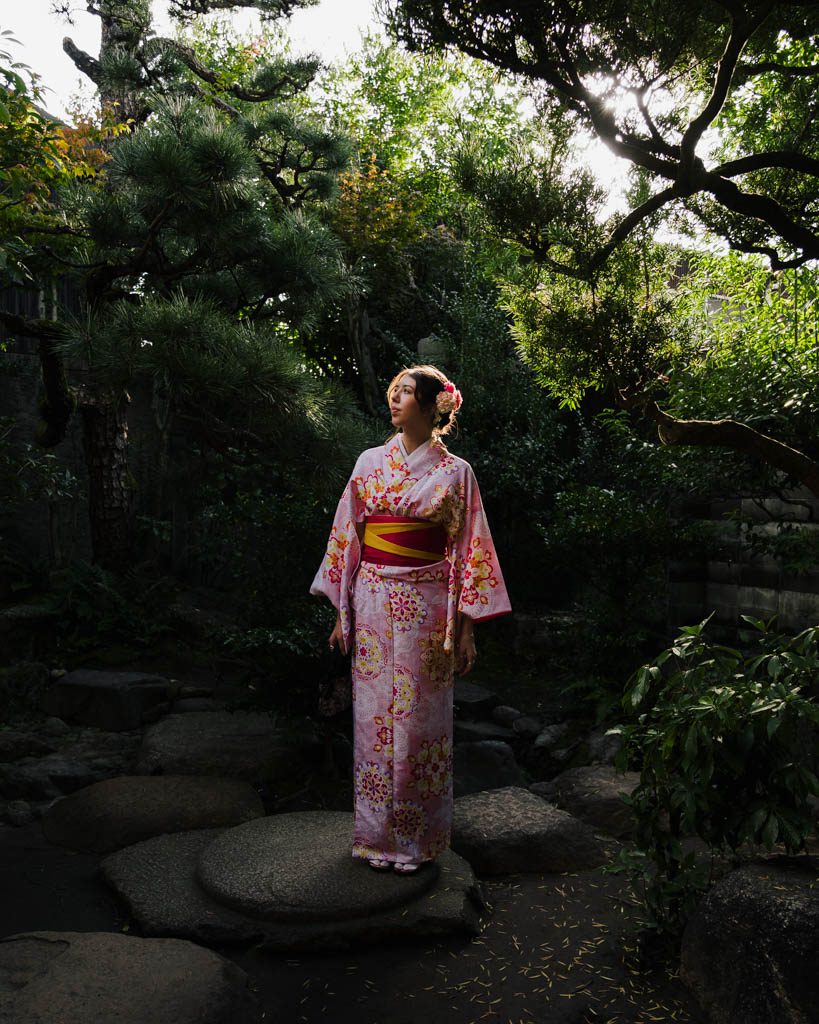
One of our favourite experiences in Kyoto, or possibly even the whole of Japan, was dressing up in traditional kimono and visiting Kiyomizu-dera for sunset. We did it as part of a Japanese tea ceremony in the Gion district where you got to keep the kimono for the rest of the day.
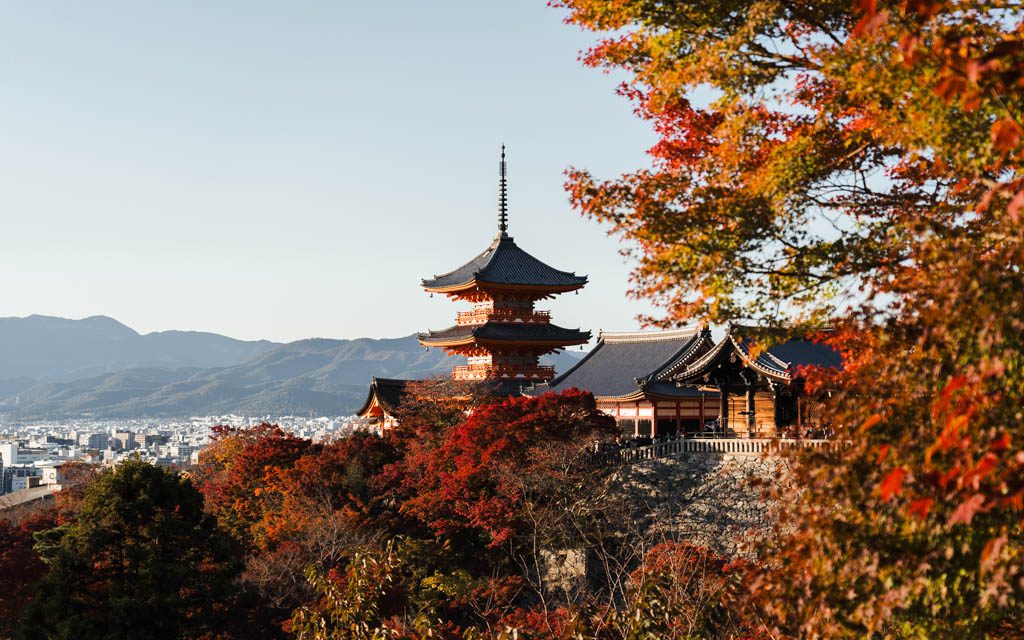
The temple and the pagoda are the quintessential iconic views that you picture when you think of Japanese temples. It’s a postcard image of Japan and is absolutely worth seeing for yourself.
We’ve visited in spring and autumn but have our eyes set on visiting each season, purely because we want to collect all of the seasonal tickets… that’s a good enough reason right?
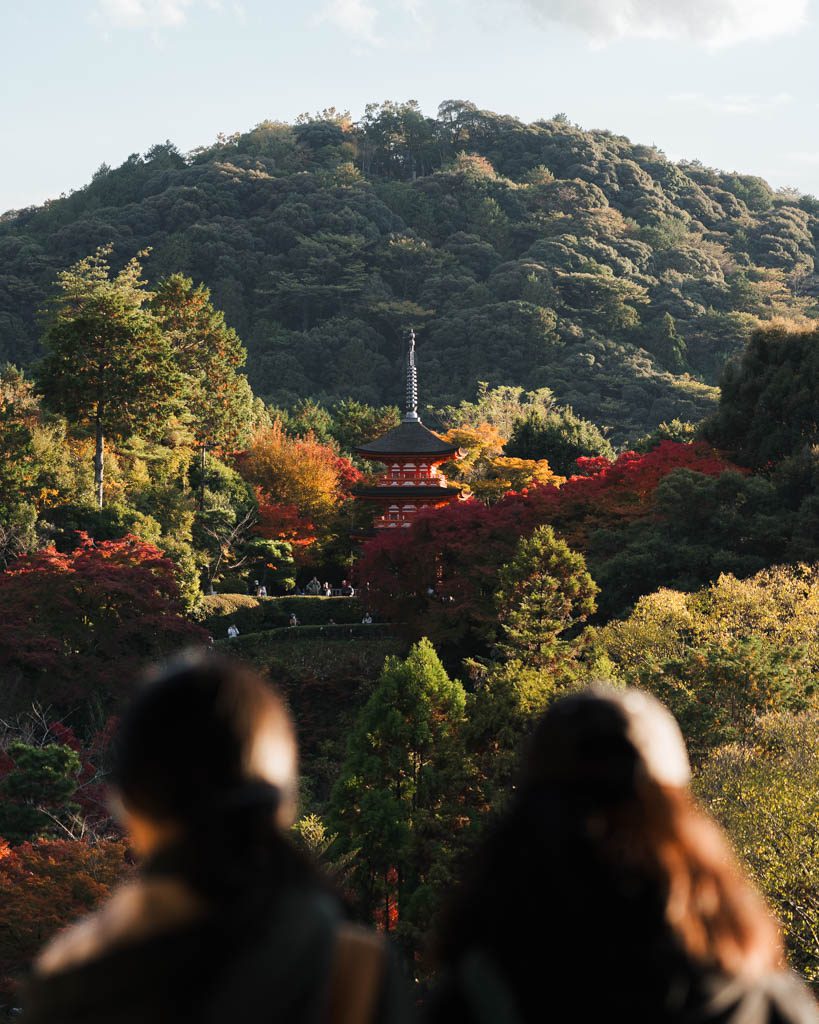
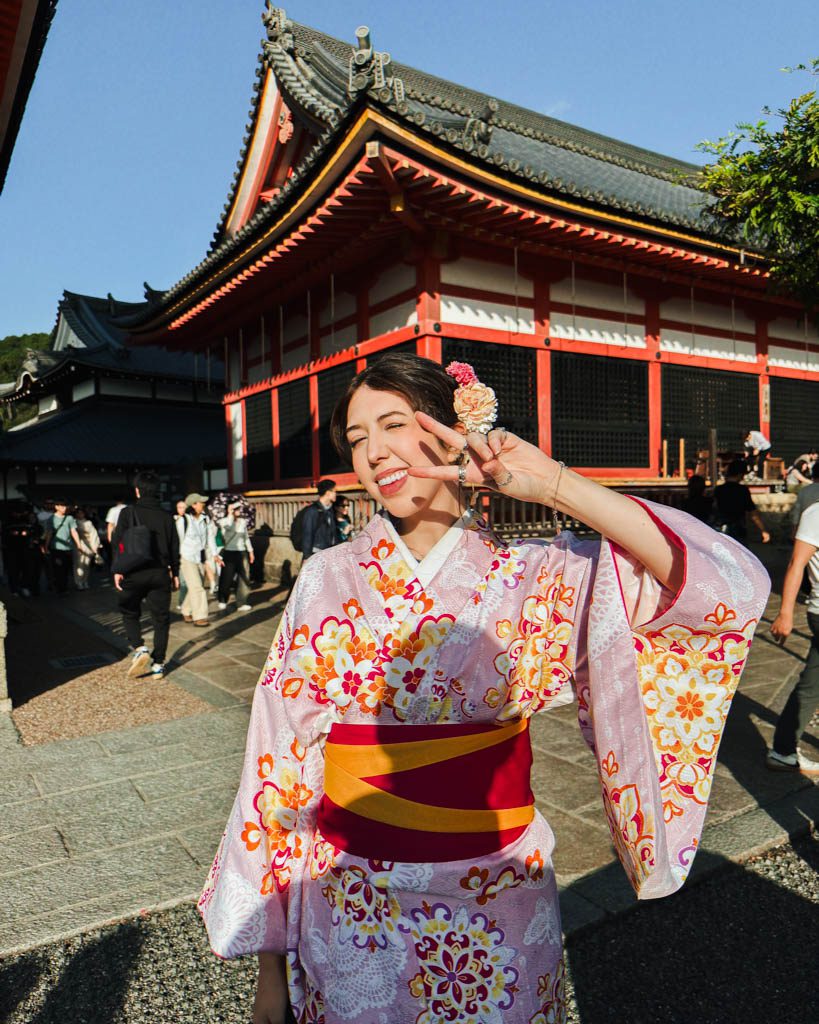
When to Visit: Any time of year! The views from Kiyomizu-dera are incredible. We recommend visiting after a traditional tea ceremony in Kimono, and aim for sunset.
Adashino Nenbutsu-ji: Quiet Bamboo Grove Alternative
You’ll see on hundreds of Japanese guides and blogs that you should go to Arashiyama in Kyoto and visit the bamboo grove. Well that’s the exact same thing everyone else has read too.
We fell into that trap on our first visit, and despite getting up at the crack of dawn we were still surrounded by crowds at the bamboo grove.
Instead, head to Arashiyama but head to Adashino Nenbutsu-ji. It’s the best way to see a bamboo grove in Kyoto.
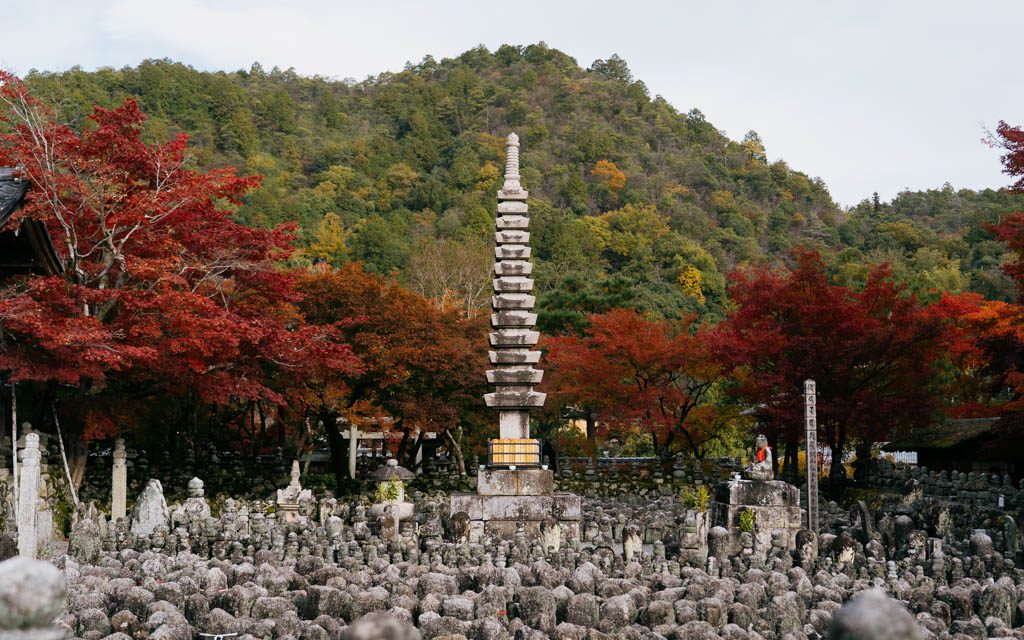
This is a gorgeous Buddhist temple tucked away in the quiet streets north of Arashiyama station. Instead of arriving at 7am like everyone else, we had a lie-in and got to the temple at 9am for opening. Instead of hordes of people we were met with pure bliss and silence.
For the small fee of ¥500 (£2.40) we wandered around this stunning temple until we found a completely empty bamboo grove tucked away at the back.
Not a person in sight.
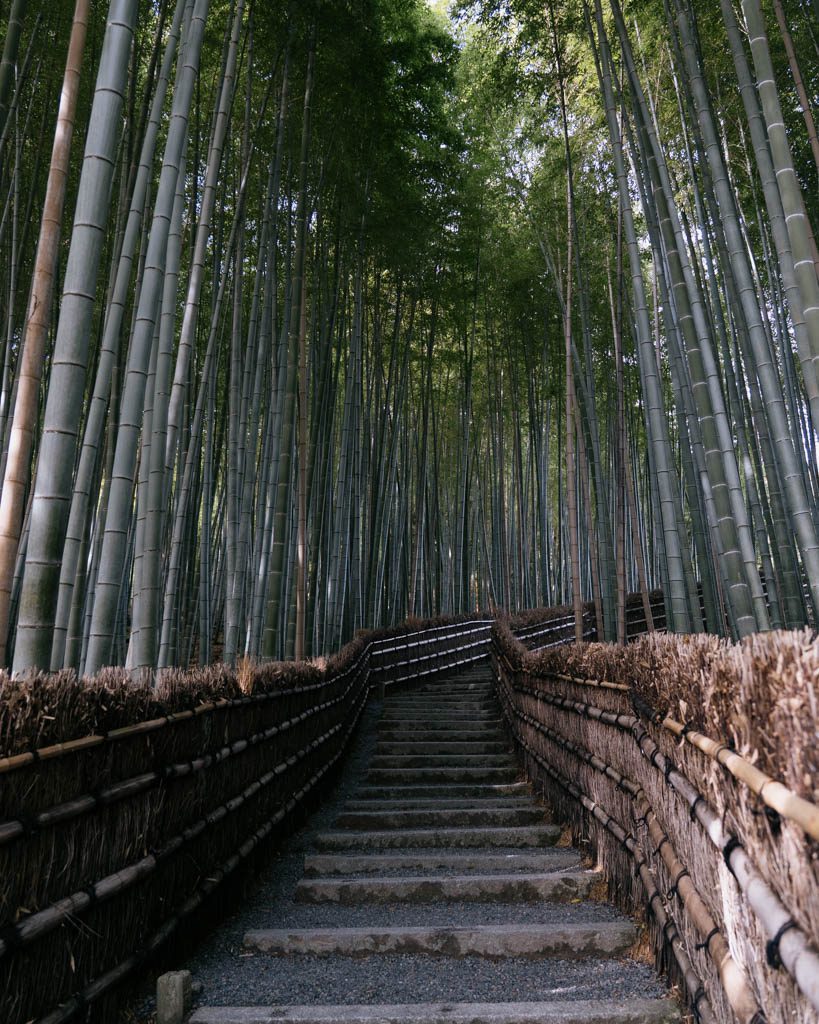
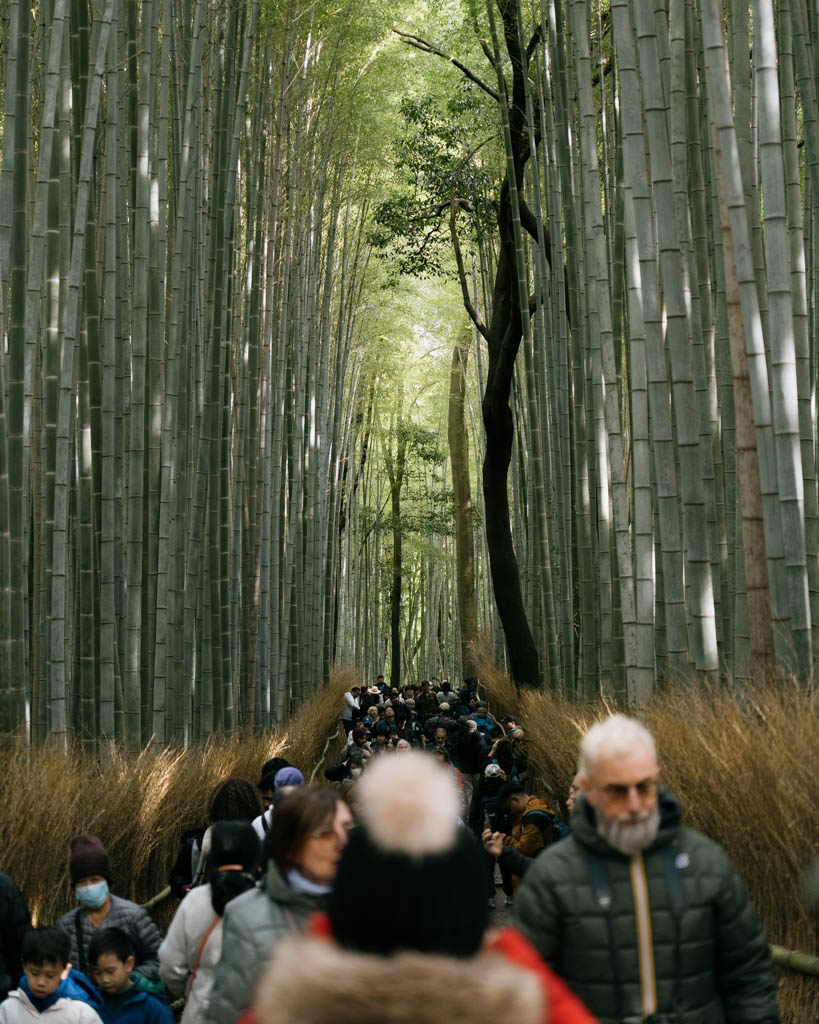
Adashino Nenbutsu-ji vs Arashiyama Bamboo Grove
When to Visit: Visit any time of year for quiet bamboo grove bliss. You’ll have even better odds of having it to yourself if you visit in the quieter months of summer and winter. Be there for opening at 9am.
Tips for Visiting Kyoto Temples
Get a Suica Card
We can’t imagine a life in Japan without a Suica Card. It becomes the life blood of getting around any city in Japan. It makes navigating the trains and buses in Kyoto effortless. We’ve written a full guide on how to set up a Suica card.
Sort Your Accommodation
Where you base yourself affects how easily you can reach these temples, several (like Kiyomizu-dera and the Arashiyama temples) are a fair trek from the station areas. We’ve put together a full guide to where to stay in Kyoto covering the best areas and our hotel picks.
Beat the Crowds
Make sure to set your alarm early in Kyoto, the crowds can get overwhelming and the best way to see the top attractions is to be the first one there. Top attractions like Arashiyama, Kiyomizu-dera and Fushimi Inari get crazy busy at midday.
Get an E-SIM
Staying connected is essential in Kyoto. Google Maps is your best friend and we find it works best when you have a good connection (offline maps have failed us in the past). You’ll also find google translate a must have for translating menus and communicating with staff. We’ve written a full guide on the best SIM card for Japan.
Make Sure You Have Travel Insurance
Travel insurance is one thing we never travel without. While Japan is an incredibly safe country, unexpected things like illness, injuries or cancelled flights can quickly turn into expensive problems. We’ve compared the best options in our guide to the best travel insurance for backpackers.
Bring Cash
A lot of temples in Kyoto charge a small fee and some only accept cash. Make sure to keep some cash with you and keep the ticket as a souvenir! We’ve noticed that every temple puts effort into their tickets making them a nice keepsake.
Be Respectful
Follow the crowd and read the signs. A lot of temples, especially in the interiors will have no entry signs to certain areas. Stick to them. We’ve seen plenty of tourists stepping over barriers and giving us all a bad rap. Be respectful.
FAQs About Kyoto's Best Temples
How many temples should you visit in a day in Kyoto?
No more than two or three if you want to actually enjoy them rather than rush through. Kyoto's temples reward slow visits, so pairing one big-hitter with a quieter alternative works better than trying to see five in a day.
Do Kyoto temples charge entry?
Most do, usually between ¥500 and ¥600. Some charge extra for specific buildings or gardens within the grounds, like the Garan at Daigo-ji. Bring cash, as not every temple accepts cards.
Which is the best Kyoto temple for first-time visitors?
Kiyomizu-dera. It's the most iconic for a reason, with sweeping views over the city and a genuinely stunning pagoda, especially at sunset.
Do you need to book Kyoto temples in advance?
No, entry itself doesn't need booking. If you're visiting in kimono or as part of a tea ceremony, book that separately in advance, as slots fill up fast in peak season.
What's the best time of year to visit Kyoto's temples?
Spring and autumn, for cherry blossoms and foliage, though these are also the busiest seasons, so get there early.
Is Fushimi Inari included in this list?
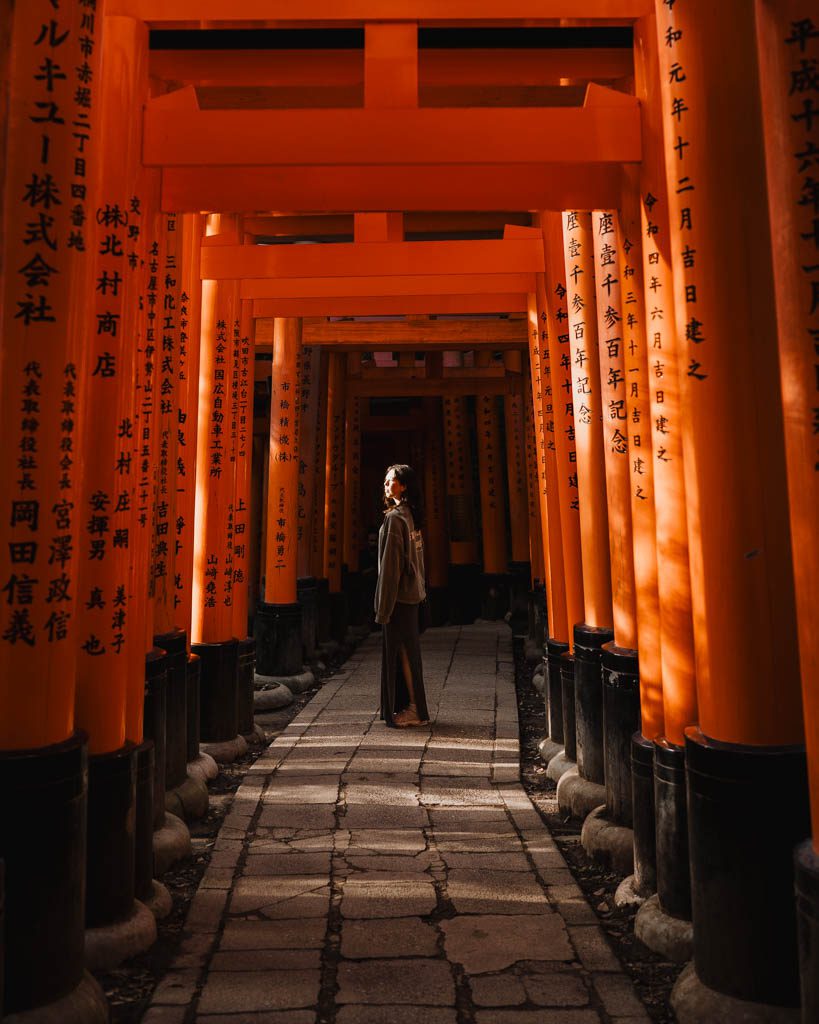
No, we've left it off this list on purpose. It's a Shinto shrine rather than a Buddhist temple, and it deserves its own guide rather than a single slot here.
Related Posts

Hi! We’re Mark & Sarah.
We’ve been travelling the world together for the past 4 years. Exploring destinations such as Europe, South America, South East Asia, Japan and Australia. Now we’re sharing everything we’ve learned on our travels, to help you get out there and have your own adventures!