Kamakura Day Trip from Tokyo: Beaches, Temples & Best Things to Do
- Last Updated On September 2, 2026
Disclaimer: Some of the links on this site are affiliate links. This means I may earn a small commission if you make a purchase through them at no extra cost to you. I only recommend things I genuinely use or believe in.
If your social feed is as Japan-centric as ours, there’s a good chance you’ve already seen Kamakura without knowing it.
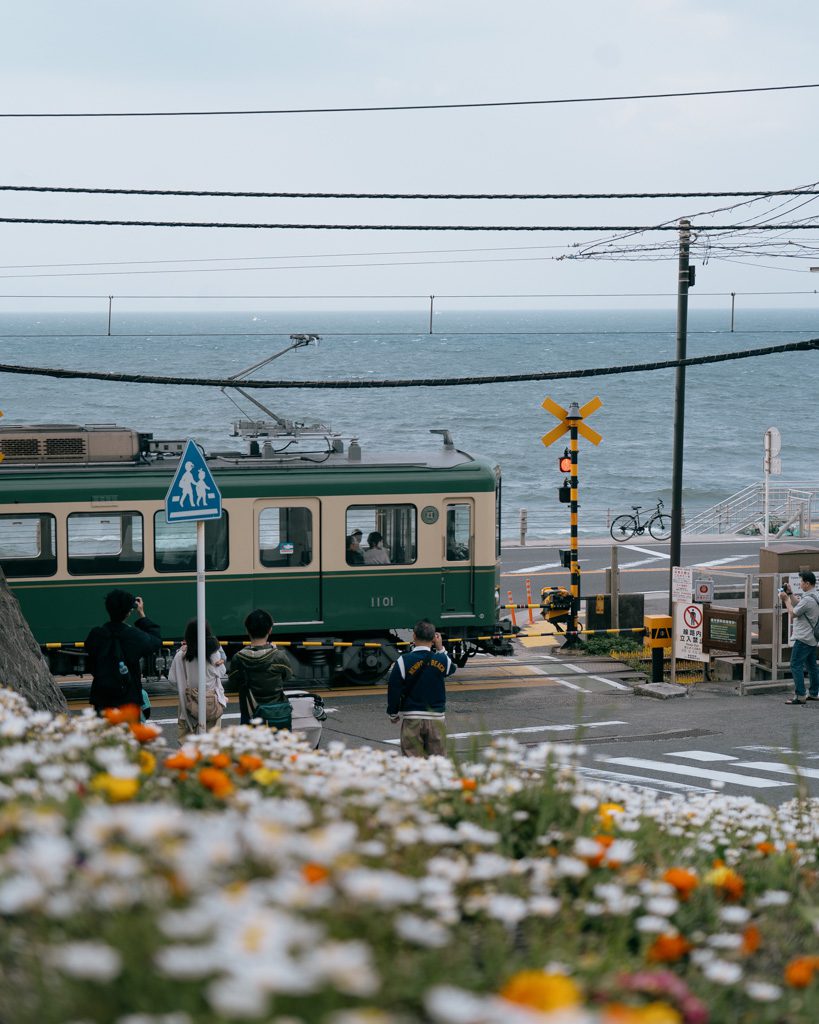
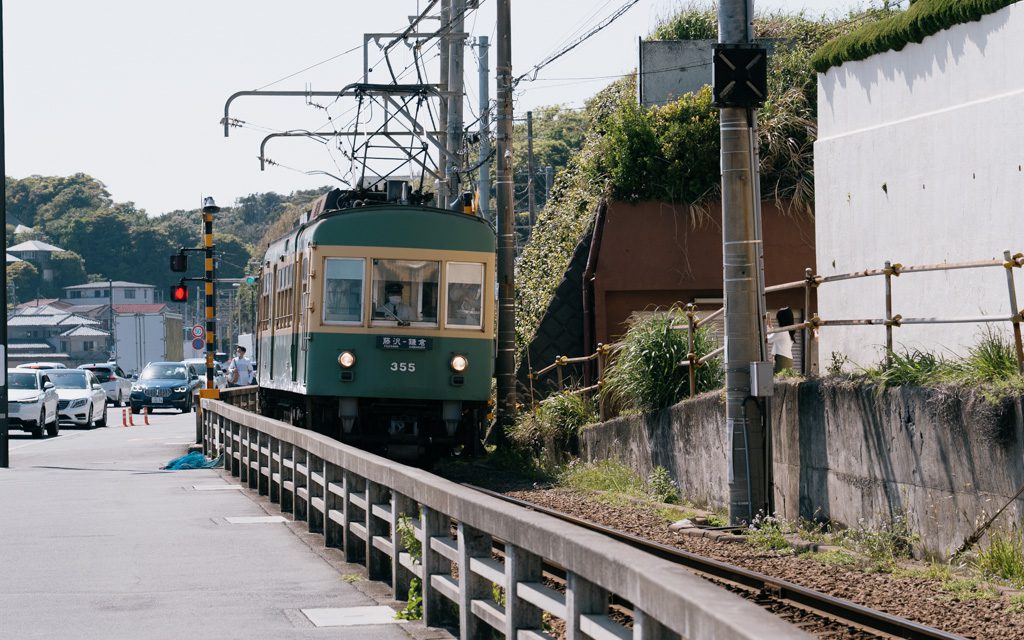
The seaside rail crossing where the Enoden line cuts along the coast is one of the most photographed shots in Japan. You’ll recognise it even if you don’t recognise the name.
We got our first look at it by accident. The Enoden train emerged from behind a row of houses and the whole carriage let out an audible gasp at the ocean view. It might just be the loudest we’ve heard a train get in Japan.
In this guide we’ll cover how to have the best Kamakura day trip from Tokyo, how to get there, and which sites are worth your time.
Contents
ToggleIn a Rush? Here Are Our Favourite Hotels in Tokyo
Kamakura Day Trip From Tokyo at a Glance
- Travel time: ~60-90 minutes from central Tokyo
- Cost: ~¥1000–¥1300 one way from Tokyo (higher end if continuing to Enoshima)
- Best day to go: Any day, but arrive early if you want a quiet shot at the seaside crossing
- Best for: Temples, the Great Buddha, beaches, and the famous seaside train crossing
- Ideal season: Late March to early April for cherry blossoms, late April to early May for warm weather with a coastal breeze
Is Kamakura Worth a Day Trip from Tokyo?
If you’re looking for a day trip from Tokyo that shows a completely different side of the country, Kamakura should be high on your list.
We’ve been twice now. Once as a day trip from Tokyo, then again a week later while road tripping around Japan. We loved it so much the first time that we built a second visit into the start of our road trip.
Our first trip showed us just how good this slice of Japan is. The Great Buddha, Tsurugaoka Hachiman-gu Shrine, a proper beach, and that seaside rail crossing, all within reach in a single day.
Something we see time and time again in all our travels through Japan is just how accessible the country is, and Kamakura is no different.
If you’re planning on spending more than 5-days in Tokyo, you should definitely be looking to throw in a day trip to Kamakura.
How to Get to Kamakura from Tokyo
Travel Time: ~60-90 minutes from central Tokyo
Fare: ~ ¥1000 – ¥1300 one way from central Tokyo
From either Tokyo or Shinagawa Station, take the JR Yokosuka Line to Kamakura Station. From there you can catch another train towards Enoshima on the historic Enoden Line, this is the train that goes through the iconic seaside crossing.
Alternatively, you can take the JR Shonan Shinjuku Line from Ikebukuro, Shinjuku, or Shibuya to Kamakura Station. Meaning you have plenty of options from some of the most central parts of Tokyo. It’s for reasons like this that we usually recommend staying in either Shinjuku or Shibuya.
Starting from Shinjuku? The Odakyu Enoshima-Kamakura Freepass (¥1,640) covers your round trip plus unlimited Enoden rides for the day, useful if you’re happy to tackle this itinerary in reverse, starting at Enoshima and working your way up to Kamakura. It doesn’t cover the JR route we’ve used above, so it’s not a straight swap.
Best Time to Visit Kamakura
We visited Kamakura in late spring, around late April to early May, and we think we mostly nailed the timing. Temperatures were warming up but there was still a pleasant coastal breeze, something you’ll want when you’re walking through Komachi-dori on a busy weekend.
The one thing we missed was the cherry blossom season. If you want to catch it, aim for late March to early April instead, Kamakura’s shrines and the Enoden route are well known for it. We kind of wish we’d visited a few weeks earlier. Oh well, another reason to go back.
Summer is a good escape from the stifling heat of Tokyo, though Japan runs humid enough that even a coastal town gets hot. Nothing a dip in the sea can’t fix!
We’d generally lean away from visiting in autumn and winter. There’s still plenty to do that doesn’t involve the beach and the crowds thin out, but if you’ve only got one day trip slot left in the colder months, put it towards Mt Fuji instead. That’s the best use of a winter day trip from Tokyo.
👉Check out our Best Time to Visit Tokyo Guide before you book your trip.
Kamakura Day Trip Itinerary
Morning: Komachi-dori & Tsurugaoka Hachiman-gu
The good thing about a day trip to Kamakura from Tokyo is that it doesn’t require an early start. The first stop on our journey is Komachi-dori shopping street, and the shops don’t start opening until 10am.
So have a lie in, grab a konbini coffee on the way to the station, and aim to arrive in Kamakura at 10am.
Right outside Kamakura Station sits Komachi-dori shopping street. Here you’ll find a huge variety of cafes and shops worth exploring. We made the mistake of eating breakfast in Tokyo, so we didn’t get to enjoy the local restaurants. Try to save your hunger for when you arrive in Kamakura, the food looks amazing.
We did treat ourselves to a coffee from Blue Bottle though. Sarah is like a moth to a flame when it comes to a good-looking coffee shop.
Our next stop, Tsurugaoka Hachiman-gu, sits at the end of this street, so take your time, do some souvenir shopping, and try the local food.
Once you reach the end of the street you’ll spot Tsurugaoka Hachiman-gu looming ahead. This place can get busy. Its proximity to the station and its views make it a popular spot for tourists and locals alike.
Can’t beat a free attraction.
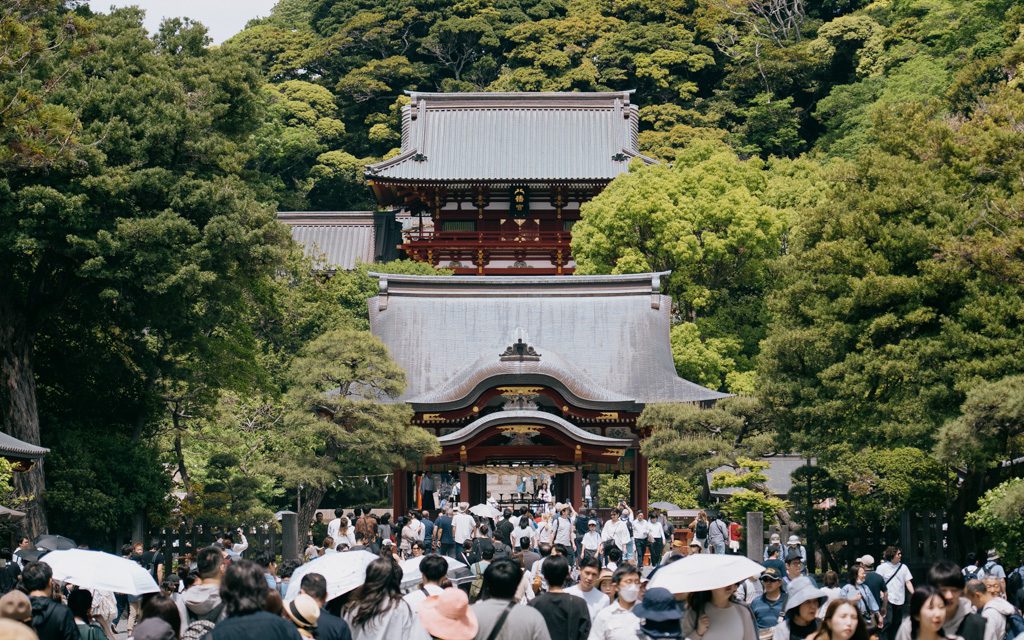
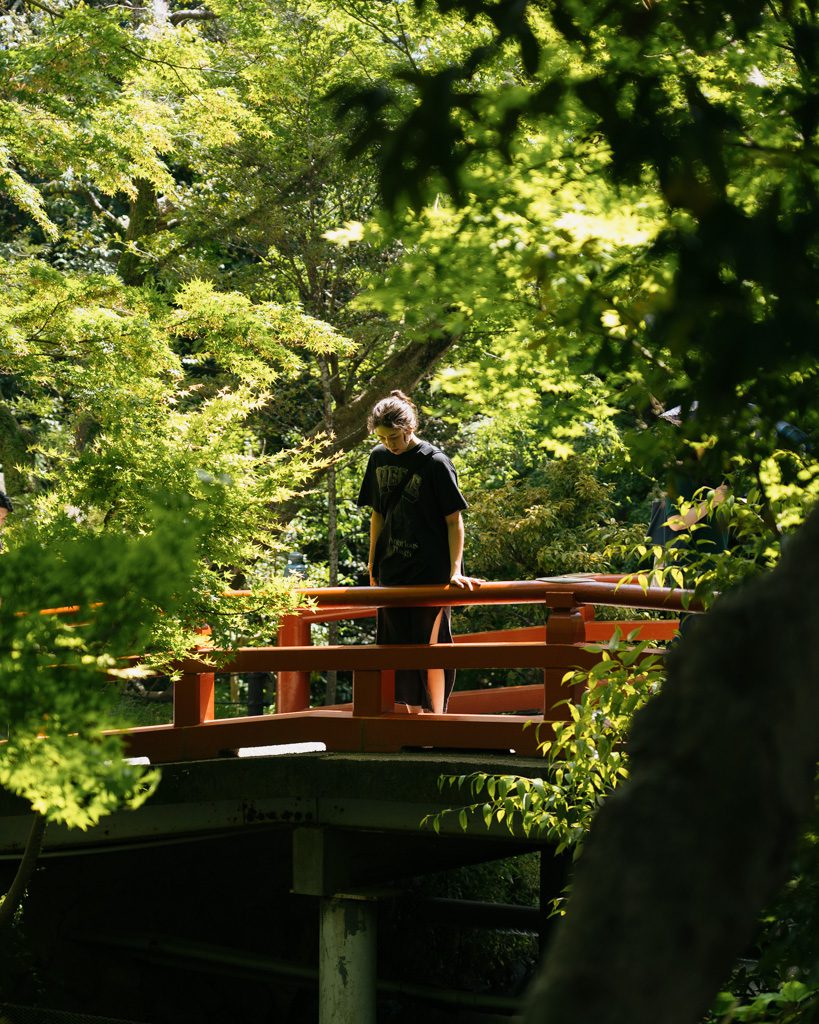
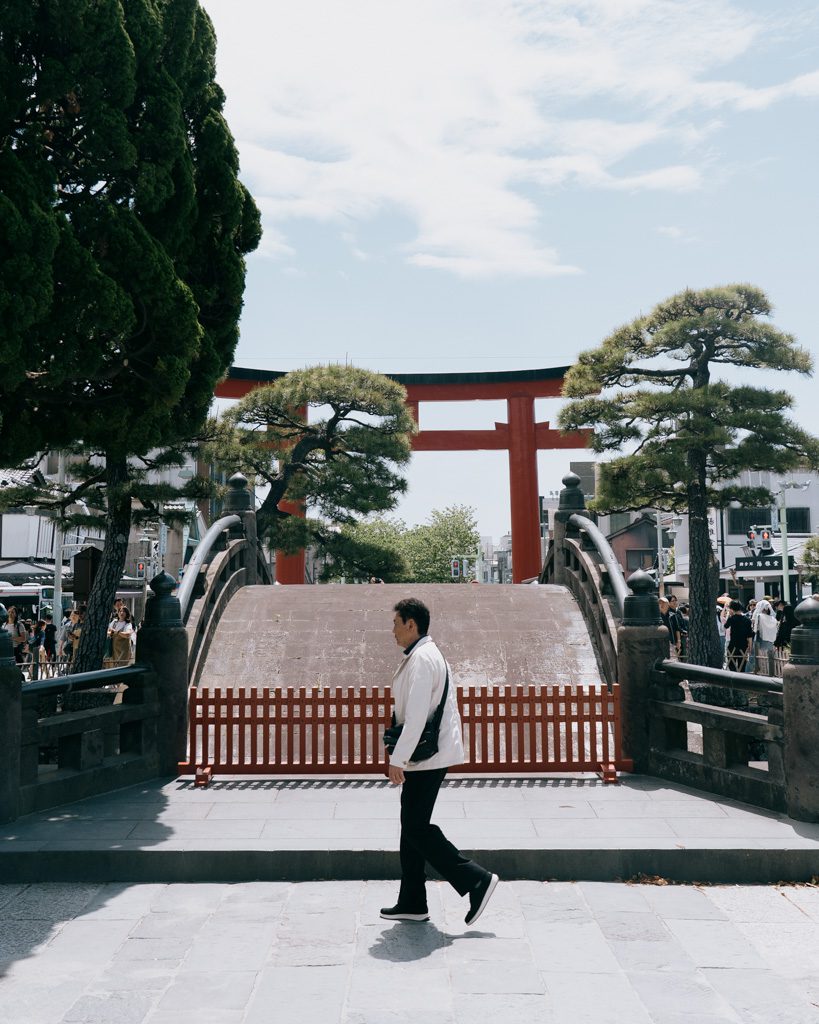
The grounds were far bigger than we expected, with koi ponds dotted throughout. Take your time here and take in the views from the top of the shrine.
Afternoon: The Great Buddha of Kamakura
After exploring the shrine, make your way back to Kamakura Station. Next up is one of Kamakura’s most famous sites, The Great Buddha, best reached by a short train ride.
Jump on the Enoden Line to Hase Station, from there it’s a short walk uphill to Kotoku-in, the temple that houses the Great Buddha.
Tickets are surprisingly cheap for such an iconic attraction.
Adults: ¥300 (£1.40)
Children: ¥150 (70p)
Children (under 6): Free
You can also pay an extra ¥50 (25p) to go inside the Buddha statue, something we didn’t realise you could do at the time.
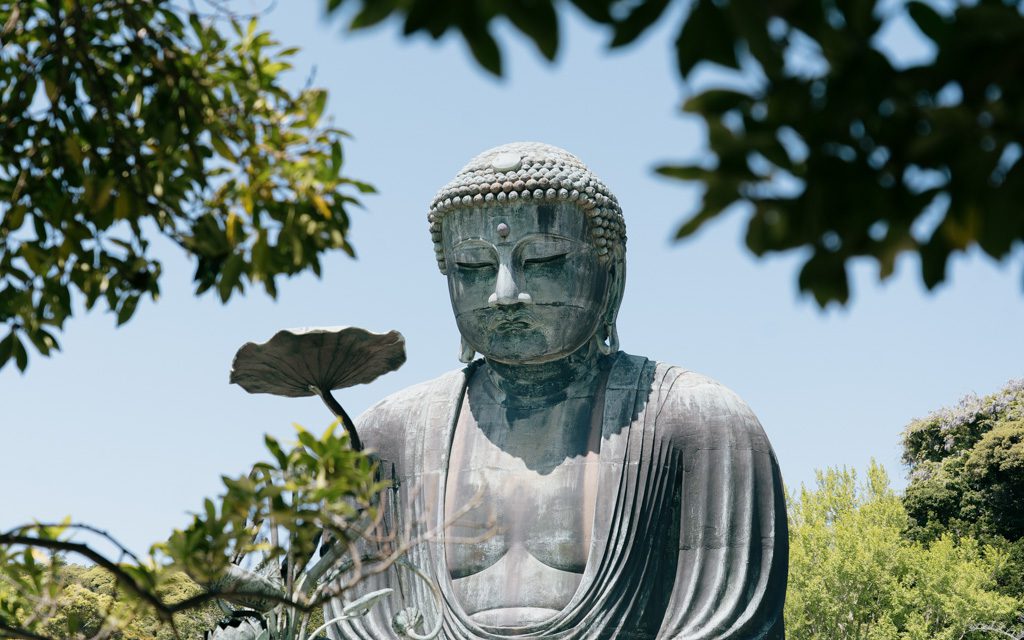
The temple grounds aren’t nearly as vast as Tsurugaoka Hachiman-gu, but the main attraction is stunning.
The bronze statue has stood for over 700 years, replacing an earlier wooden statue that was destroyed. It originally had a wooden temple structure built around it, but after multiple fires, earthquakes, and tsunamis, it now sits open to the elements.
If you want to learn more about its history, a guided tour is a good option.
We think this is a must-do when visiting Kamakura. It’s easy to get to, cheap, and such an iconic part of Japanese history and art that it would be a waste to pass by.
Late Afternoon into Evening: Seaside Trains & Sunset
Hop back on the Enoden Line at Hase Station to continue the journey along the coast, next stop, the seaside.
Aim to get off at Kamakurakōkō-mae Station, just 4 stops from Hase. The Enoden trams look old school, but they’re actually all electric.
Make sure you’re off your phone and ready as the train emerges from behind the houses to reveal an endless view over Sagami Bay. Even as people who grew up on the coast of England, seeing that view is etched in our brains.
When you hop off at Kamakurakōkō-mae you’ll know you’re in the right place, everyone else offloads from the train too. This place is popular.
It’s become a bit of an Instagram spot for tourists, but the crossing’s original popularity started with its inclusion in the opening titles of the anime Slam Dunk, with fans recreating the opening shot ever since.
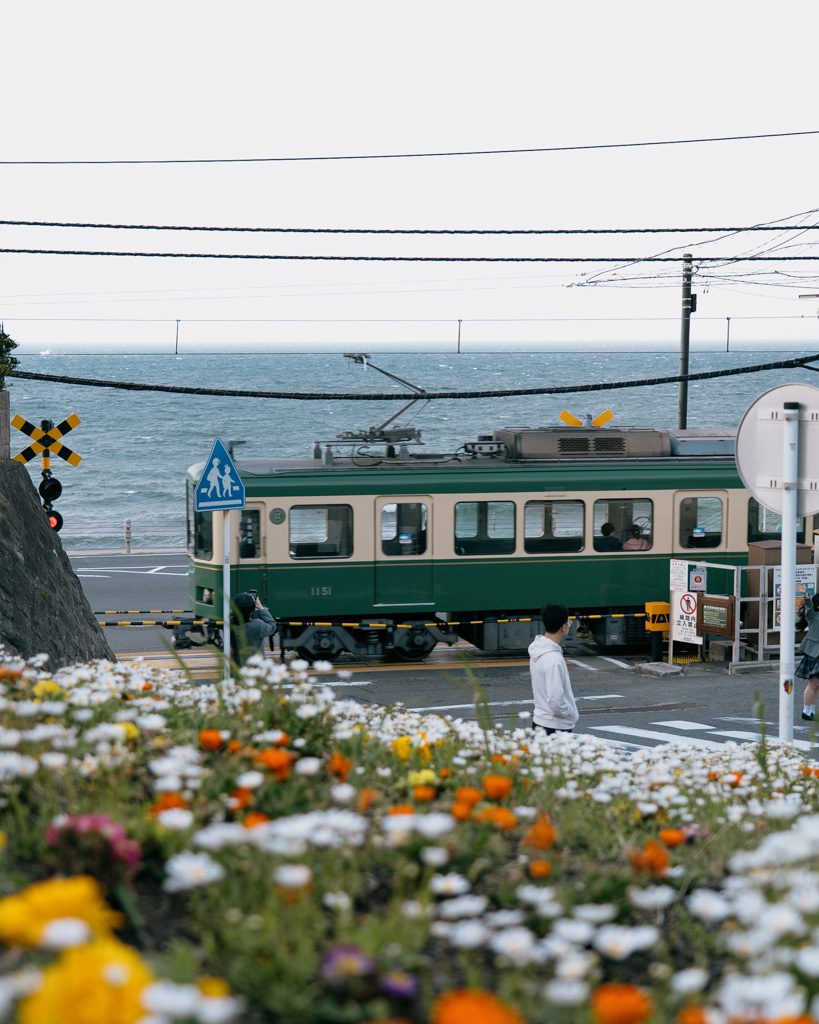
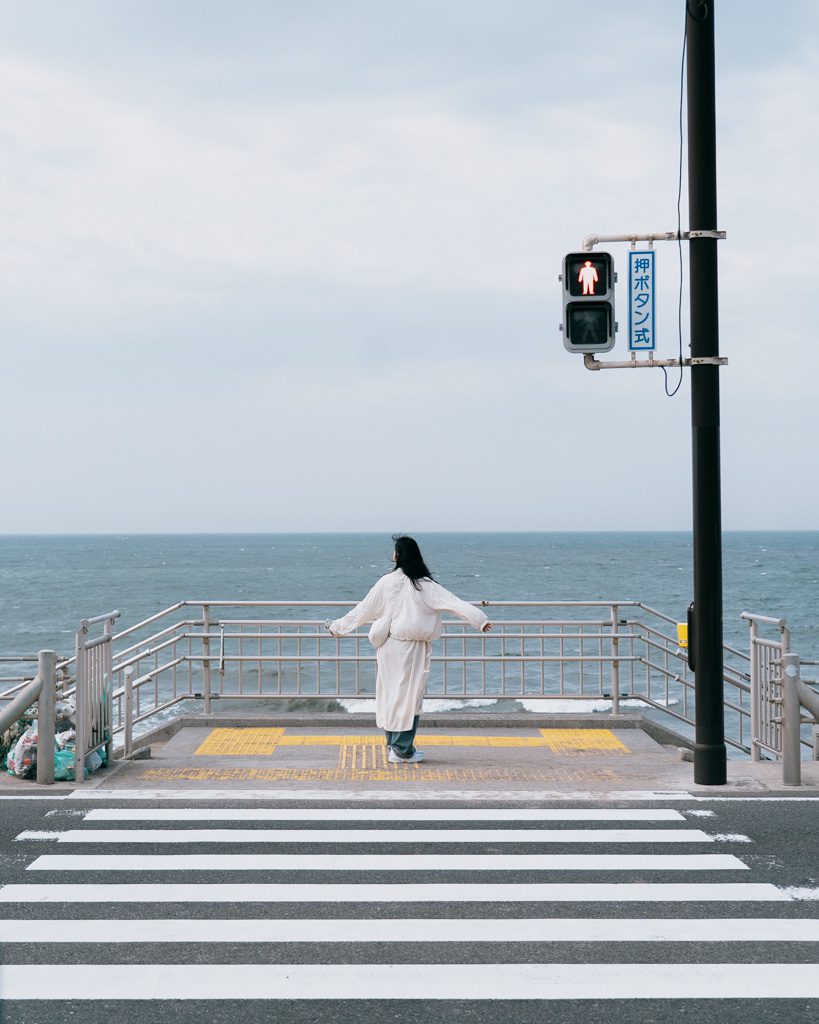
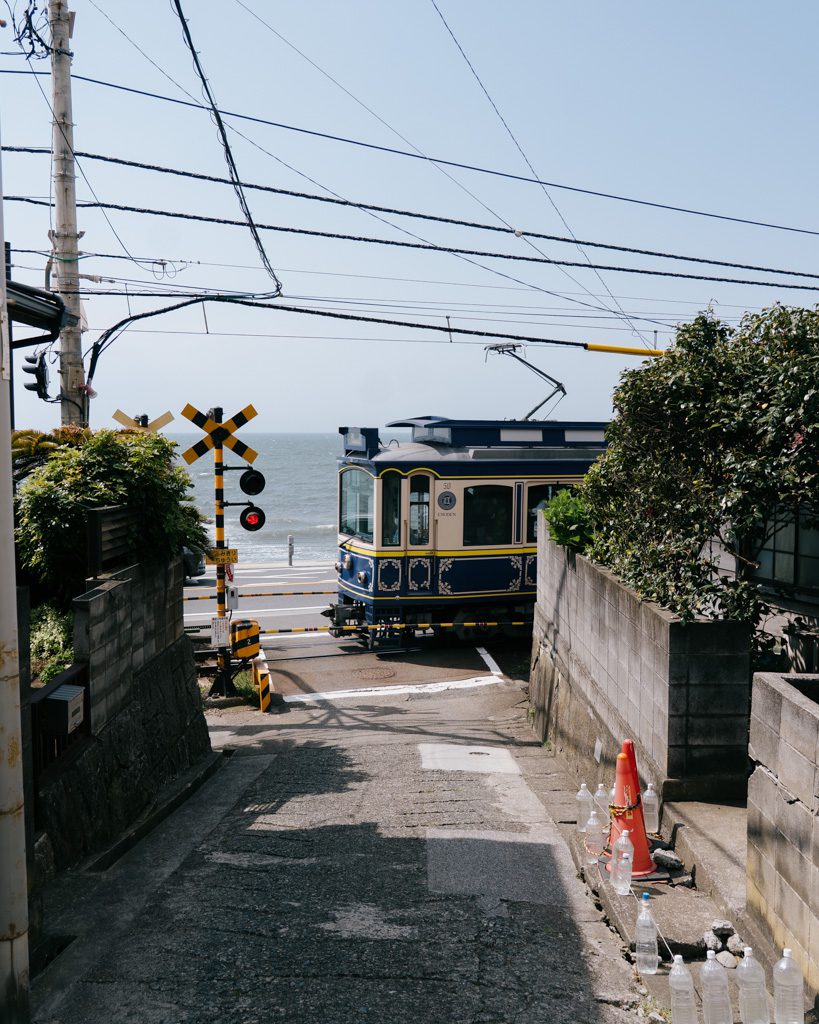
As keen photographers, this place was on our list the moment we heard about it. If you’re chasing a clean, quiet shot, come early, and we mean very early. We revisited a week later in our van, and even at 6am people were showing up.
Snap a photo of the crossing as the train comes past, then enjoy a stroll along the seaside towards Tsujido Beach. This is where we spent the rest of the day, hoping to catch a glimpse of Mt Fuji across the bay. Sadly the clouds weren’t in our favour and we didn’t get a clear sunset view. Hopefully you’ll have better luck.
We grabbed a quick lunch at a Sukiya on the way to the beach, our first one after eight months in Japan (we had plenty more on the road trip afterwards).
Chilling on a beach further up the coast from Kamakura, still within a couple of hours of Tokyo, was kind of crazy. Not something we expected to be doing when we applied for our WHV.
Getting Back to Tokyo
Whether you spend the rest of the day on the beach or exploring Enoshima on foot, you’ll eventually want the most direct way back. Rather than retrace your steps, continue on the Enoden Line to Fujisawa Station (end of the line), then transfer to the Tokaido Line to Shinagawa Station. From there, catch the Yamanote Line to wherever you’re staying in Tokyo.
Where to Eat in Kamakura
We made the mistake of eating before we set off for Kamakura, so we didn’t get to fully indulge in the cafes and stalls around Komachi-dori. Rookie error, don’t make the same mistake.
What we can tell you is what we actually ate. A coffee from Blue Bottle on Komachi-dori (Sarah can’t walk past a good-looking coffee shop), and a lunch at Sukiya on the way to the beach, our first one after eight months living in Japan, which is crazier than it sounds, because they are everywhere!
We ended up eating at a fair few more Sukiyas on the road trip afterwards, so if you’re after a cheap, reliable gyudon fix rather than something boutique, it does the job.
That’s not us being lazy with recommendations, it’s just honest.
Komachi-dori is packed with food stalls and small cafes worth exploring properly if you get there hungry, croquettes, dango, soft serve, the usual mix of Japanese street food you’ll find dotted along any popular shopping street. We just didn’t have room for any of it.
Things to Know Before You Visit Kamakura
🚃 Suica Card: Japan runs on rail, so a Suica card is essential. We’ve written a full guide on setting up a Suica card.
📱 Get an eSIM: Reliable data makes Google Maps and Translate so much easier. Even after 10 months in Japan, we still relied on it daily. Check our guide to the best eSIM options in Japan.
💴 Cash is Still King: Cards work almost everywhere now, but keep some cash for smaller shops and stalls. Bring a fee-free debit card (we like Chase or Revolut) and withdraw at a 7-Eleven ATM for a fair rate.
🛡️ Get Travel Insurance: Japan is safe, but insurance also covers lost luggage, cancelled flights, and theft. Sort it before you fly. Here’s our guide to the best travel insurance for long-term trips.
🗣️ Learn a Few Phrases: You don’t need fluency. Konnichiwa (hello), sumimasen (excuse me), and arigatou (thank you) go a long way. Bonus points for gochisousamadeshita after a meal.
Final Thoughts About this Kamakura Day Trip
We’re honestly surprised it took eight months of living in Japan to finally visit Kamakura. We’d never even heard of it on our first trip back in 2023, which says more about our planning than it does about Kamakura.
So glad this place popped up on our socials.
If you found this post because you’re researching Kamakura for your trip to Tokyo, you’re already doing better than we were.
Hopefully this guide has convinced you it’s worth the short trip out, the Buddha, the crossing, the beach, it’s a lot of Japan packed into one day. And if you’re planning more time outside the city, check out our guide to the Best Day Trips from Tokyo.
FAQs About This Kamakura Day Trip from Tokyo
How do you get to Kamakura from Tokyo?
Take the JR Yokosuka Line direct from Tokyo or Shinagawa Station, or the JR Shonan Shinjuku Line from Shinjuku, Shibuya, or Ikebukuro. The journey takes around 60 minutes and costs roughly ¥1000 to Kamakura Station, or up to ¥1300 if you continue on to Enoshima.
Is Kamakura worth a day trip from Tokyo?
Yes. Kamakura packs the Great Buddha, Tsurugaoka Hachiman-gu Shrine, a proper beach, and the famous seaside rail crossing into a single day, all under an hour and a half from central Tokyo.
What is the best time to visit Kamakura?
Late April to early May offers warm weather with a pleasant coastal breeze. For cherry blossoms, aim for late March to early April. Summer works well as an escape from Tokyo's heat, though it can get humid. Autumn and winter are quieter but less essential, if you've only got one day trip slot left in the colder months, Mt Fuji is the better use of it.
How much does it cost to see the Great Buddha of Kamakura?
Admission to Kotoku-in, the temple that houses the Great Buddha, is ¥300 for adults and ¥150 for children, with under 6s free. An extra ¥50 lets you go inside the statue itself.
Where is the famous seaside train crossing in Kamakura?
It's at Kamakurakōkō-mae Station on the Enoden Line, a few stops past Hase Station. The crossing became famous through its appearance in the opening titles of the anime Slam Dunk, and it's now one of the most photographed spots in Japan.
Related Posts
Hi! We’re Mark & Sarah.
We’ve been travelling the world together for the past 4 years. Exploring destinations such as Europe, South America, South East Asia, Japan and Australia. Now we’re sharing everything we’ve learned on our travels, to help you get out there and have your own adventures!