A Mini Guide to Senso-Ji Temple: The Cultural Heart of Tokyo
- Last Updated On August 27, 2026
Disclaimer: Some of the links on this site are affiliate links. This means I may earn a small commission if you make a purchase through them at no extra cost to you. I only recommend things I genuinely use or believe in.
When we think of Tokyo the first thing that comes to mind is bright neon signs, efficient trains, and robot cafes. It’s a world away from the more historic streets and temples of Kyoto. But on the east side of Tokyo lies one of the oldest and grandest temples you can find in the whole of Japan.
Senso-Ji.
We spent 3 months living in Tokyo and a lot of that time was spent living 5 minutes away from this incredible piece of the city. We didn’t really realise just how good we had it until we moved away.
Being able to wander out the door in the early morning, grab a Lawson coffee, and explore the temple grounds with barely anyone around was our ideal way to start the day.
In this Senso-Ji temple guide, we’ll cover exactly how to get to Senso-Ji, why you should visit it, and some top tips for your visit.
In a Rush? Here Are Our Favourite Hotels in Tokyo
A Quick Overview of Senso-Ji
Entrance Fee: Free
Nearest Station: Asakusa
Opening Hours: Main Hall 6am – 5pm (April – September), 6:30am – 5pm (October – March). The grounds are open 24 hours.
Quick Tips: Be respectful, get there early, don’t rush it.
Time Needed: 1-2 hours
What is Senso-Ji Temple?
Senso-Ji sits in the cultural heart of Tokyo as the city’s oldest Buddhist temple. Built in 645 AD it welcomes 82,000 visitors a day (this is why we come early!)
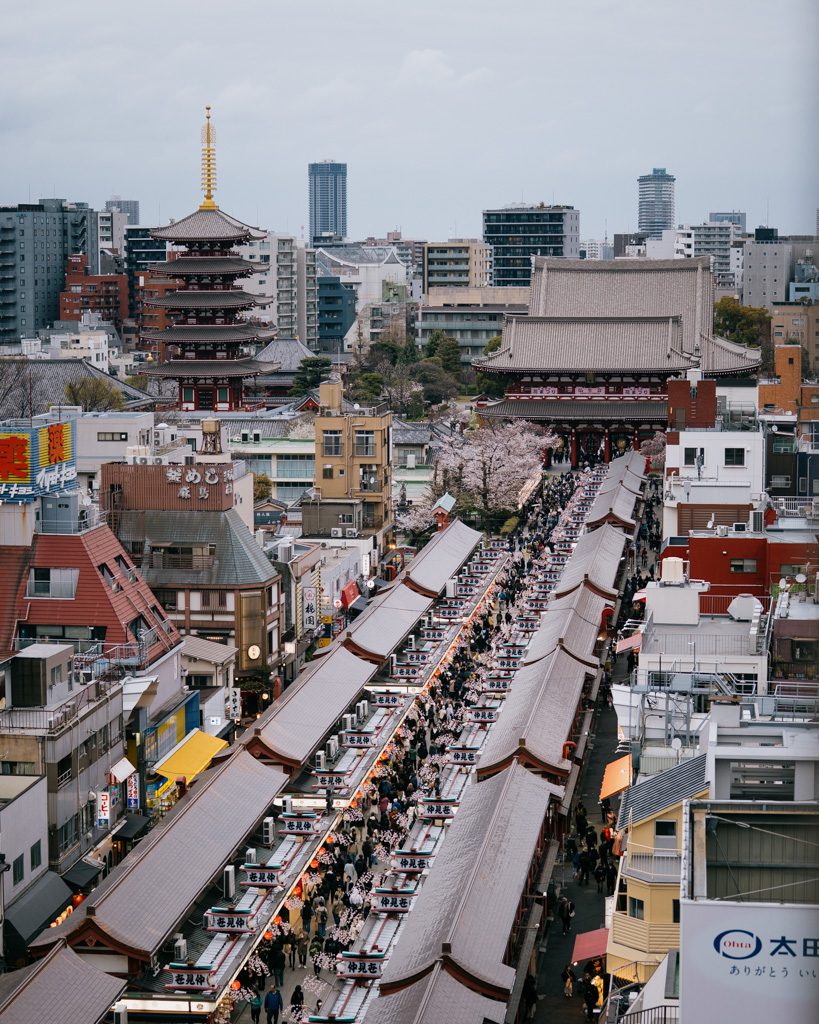
The first time we visited we were surprised with just how big the temple grounds are. Without having put much thought into it, just adding it to our itinerary, we were expecting to just visit another bog-standard temple. Something we had done all over southeast Asia. It was only when we were walking down Nakamise-Dori that we realised the scale of the temple grounds and just how incredible it was.
How to Get to Senso-Ji Temple
Senso-Ji sits within Asakusa in Tokyo, which means the most common way people arrive at Senso-Ji is via Asakusa station. Whether you’re arriving on the Ginza, Asakusa, or Tobu Skytree line, each exit is clearly sign posted with directions to Senso-Ji. If you get lost, just follow the crowds!
To make life easier you should absolutely get a Suica card for travelling around on Tokyo’s rail network. It’s what we did on our first trip and we’ve never looked back.
There are technically two Asakusa stations (just to make it confusing). The main one we’ve already mentioned sits east of Senso-Ji, whilst the other is west of the temple. The other station in the west is only serviced by the Tsukuba Express line which has a good connection to Akihabara if you’re coming from that direction.
Just something to keep in mind!
If you’re coming from Asakusa station (east), aim for Kaminarimon Gate on google maps. This is the best spot to start your adventure into Senso-Ji. If you’re coming from the Tsukuba Express line, you’re going to hit the temple first before walking to the gate.
If, like us, you’re staying in Asakusa then there’s a good chance you’ll have walked past it already on the way to your hotel!
Things to do at Senso-Ji Tokyo
Kaminarimon Gate
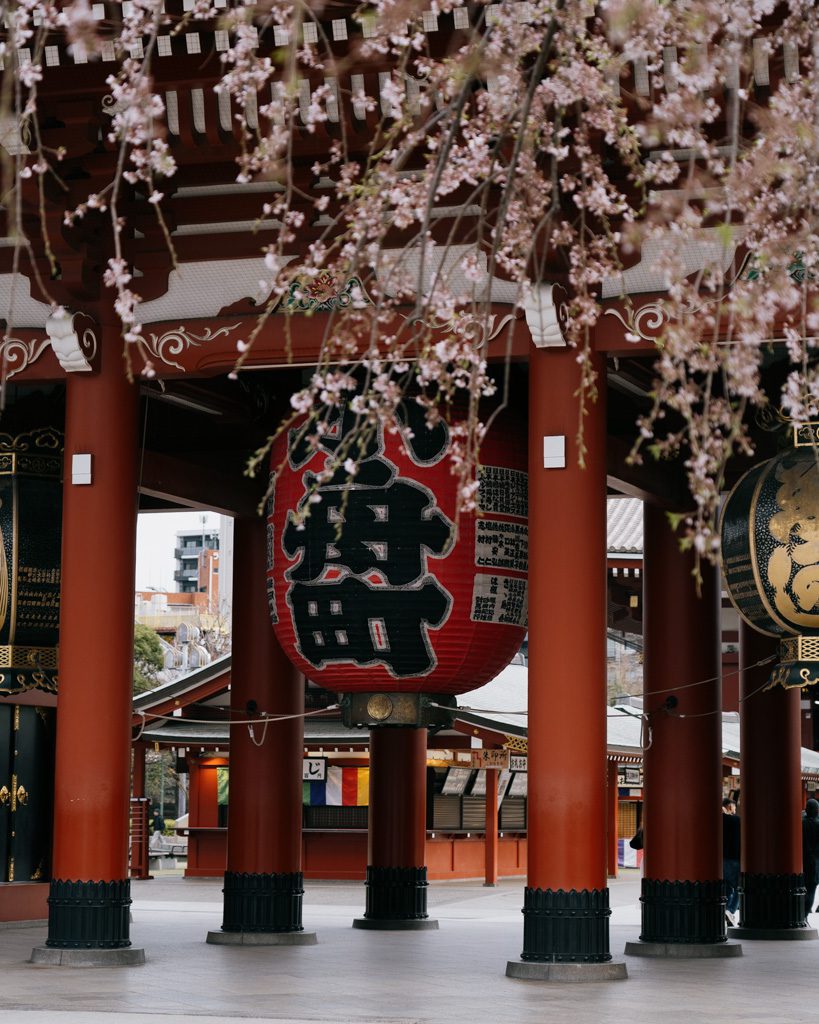
From our experience, the best way to start your exploration of Senso-Ji is from Kaminarimon Gate. It marks the start of the journey to Senso-Ji temple and sits in front of Nakamise shopping street. You’ll know you’re in the right place when you’re standing in front of a huge red gate surrounded by rickshaw drivers.
It makes for a great photo opportunity under the gates huge lantern!
Nakamise Shopping Street
After Kaminarimon gate lies Nakamise shopping street.
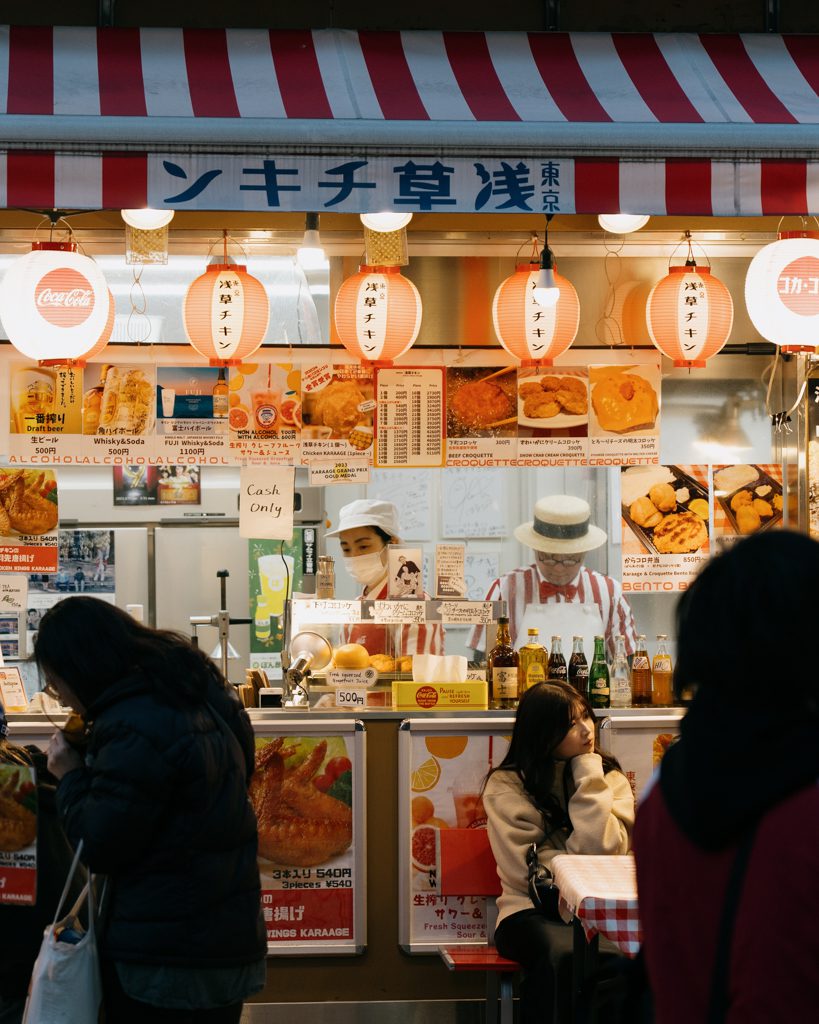
Here you’ll find a plethora of shops selling everything from cotton candy to traditional kimono. Some of these shops have been here for 300 years and they’re open everyday to welcome the crowds.
It took us forever to actually get to the main temple on our first visit, we just had to stop in every shop on the way. It’s a treasure trove for Japanese souvenirs and snacks. Make sure to get some Dango from one of the stalls, if you haven’t had it before it’s a sweet rice dumpling and one of our favorite Japanese snacks. If you get one topped with sweet red bean paste, even better!
Hozomon Gate and the Main Hall
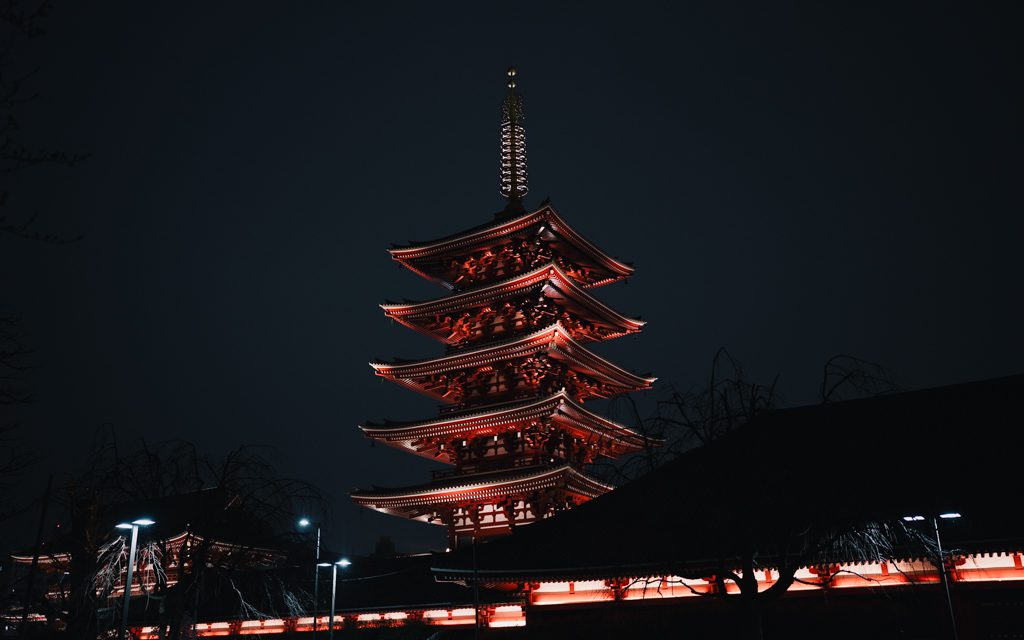
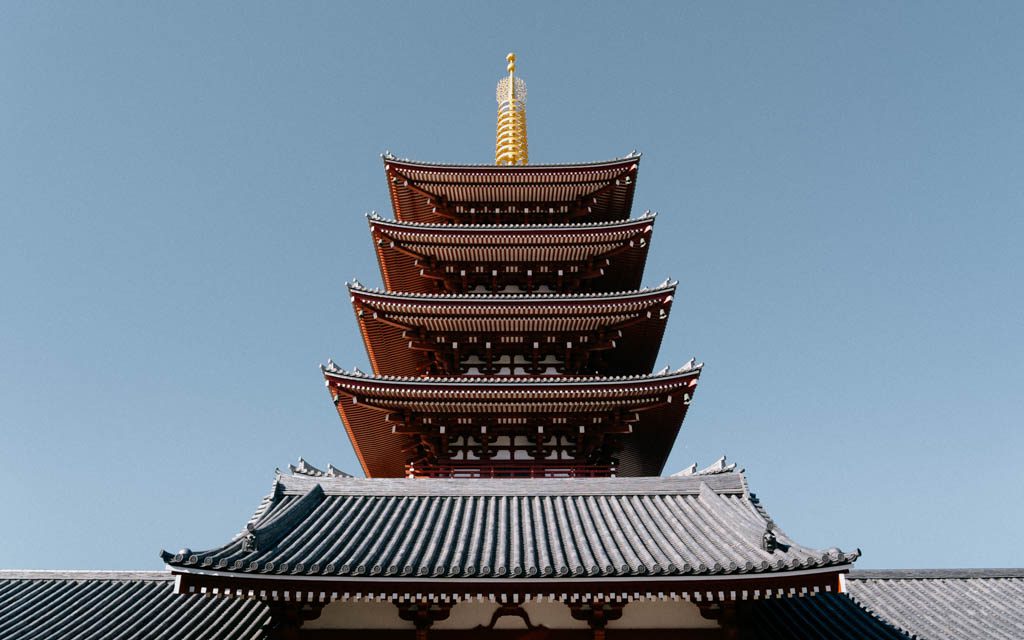
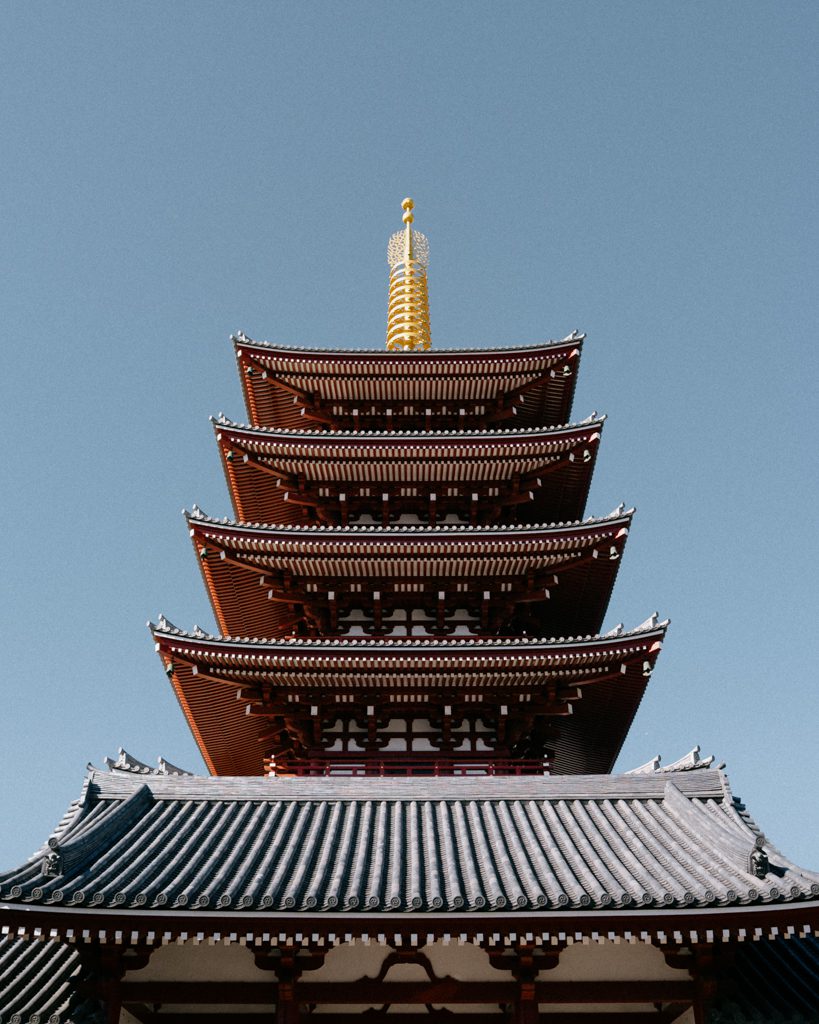
The main attraction of Senso-Ji and one of our favourite areas to photograph in Tokyo (particularly the 5-story Pagoda). Bustling crowds, the smell of incense, and the sound of wooden sticks being shaken in a metal box. That is the best way we can describe the atmosphere at Senso-Ji.
It can be overwhelming at first, and especially so in the summer heat.
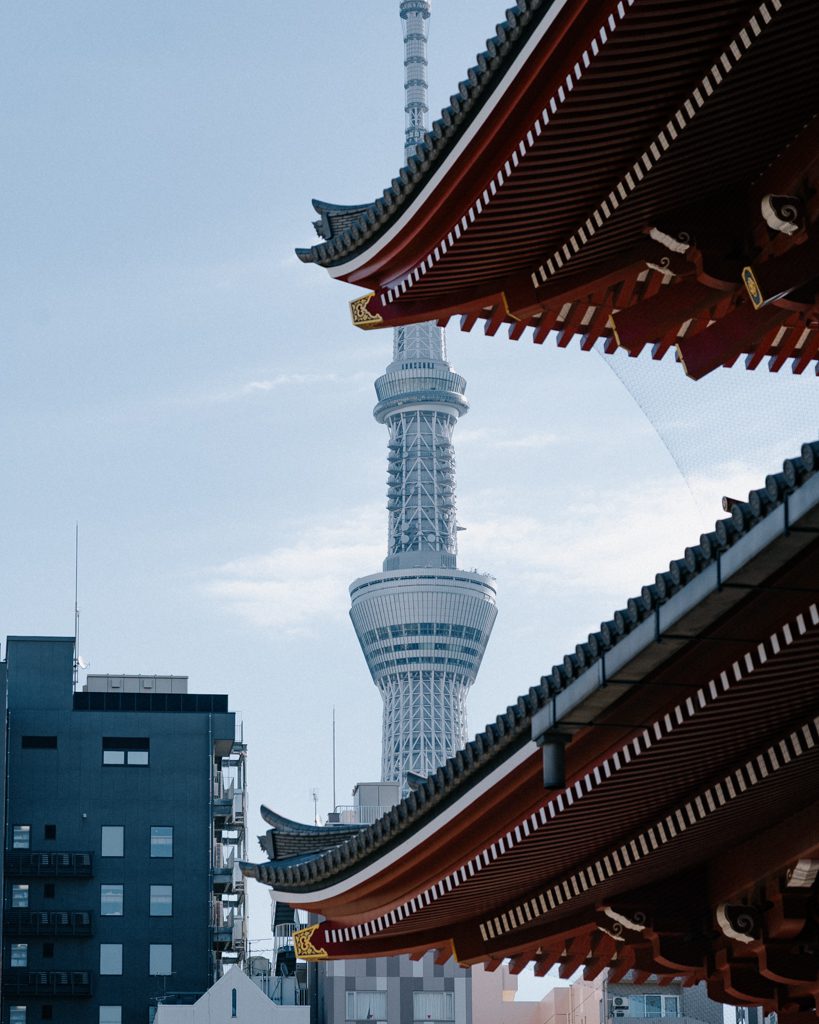
Once you pass through Hozomon gate you’re surrounded by buddhist temples and structures, but it only takes a small glance to the skyline to remember you’re still in Tokyo.
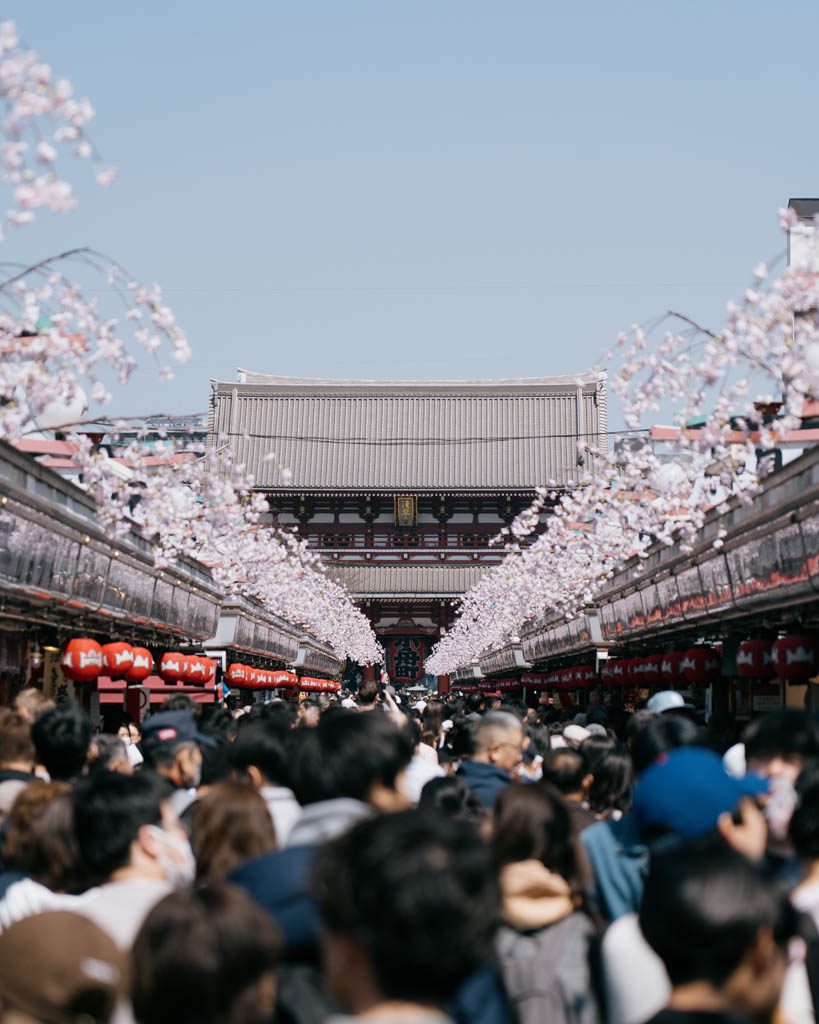
The main hall area can get very busy as the day goes on, so it’s best to come early in the morning and then perhaps revisit later to get a feel for how different it is with crowds. Let us know which you prefer.
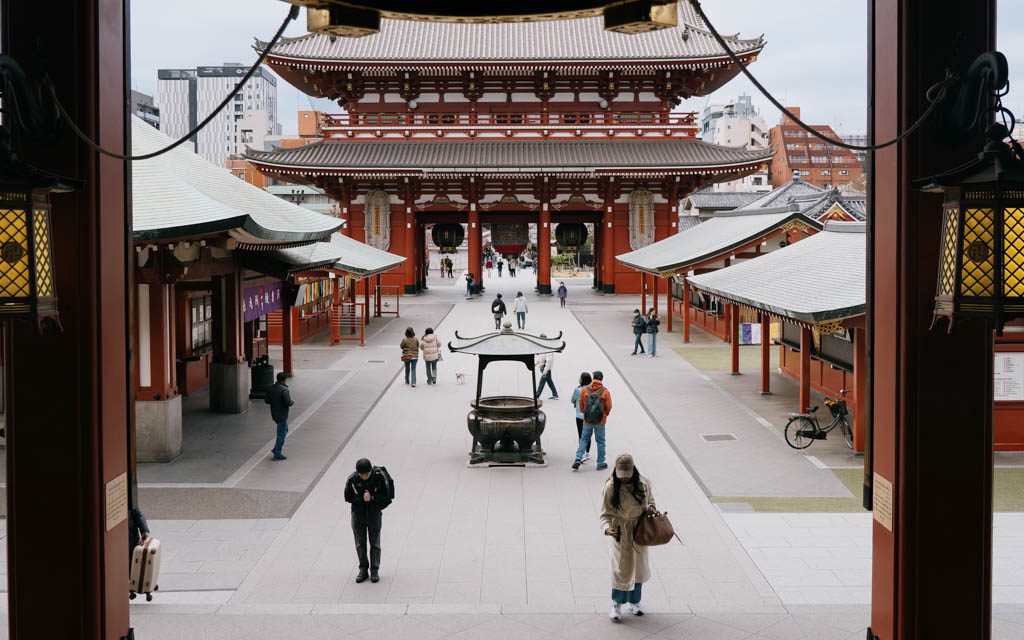
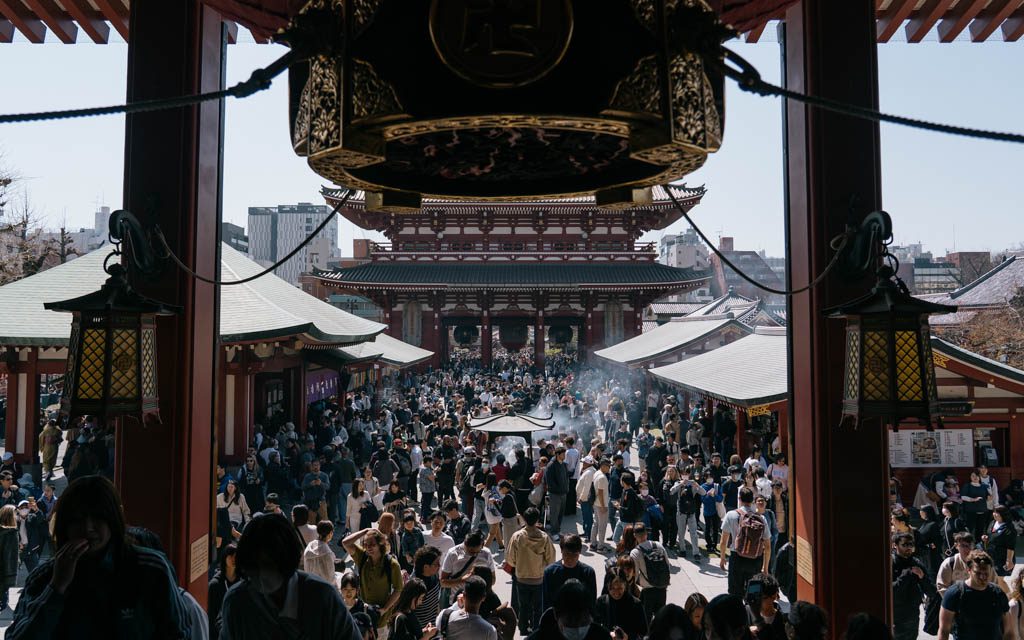
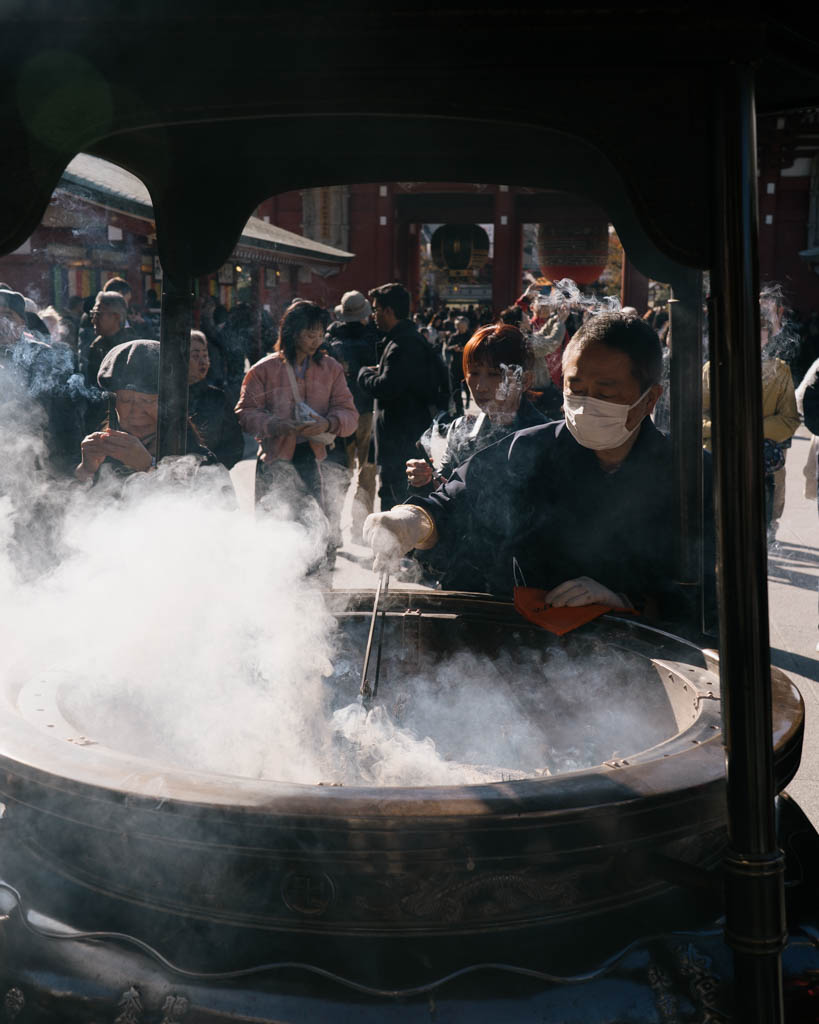
Just outside the main hall is a huge incense burner where you can gently waft the incense smoke at yourself as a means to cleanse yourself. You can even bring or purchase your own incense stick and add it to the collection in the burner.
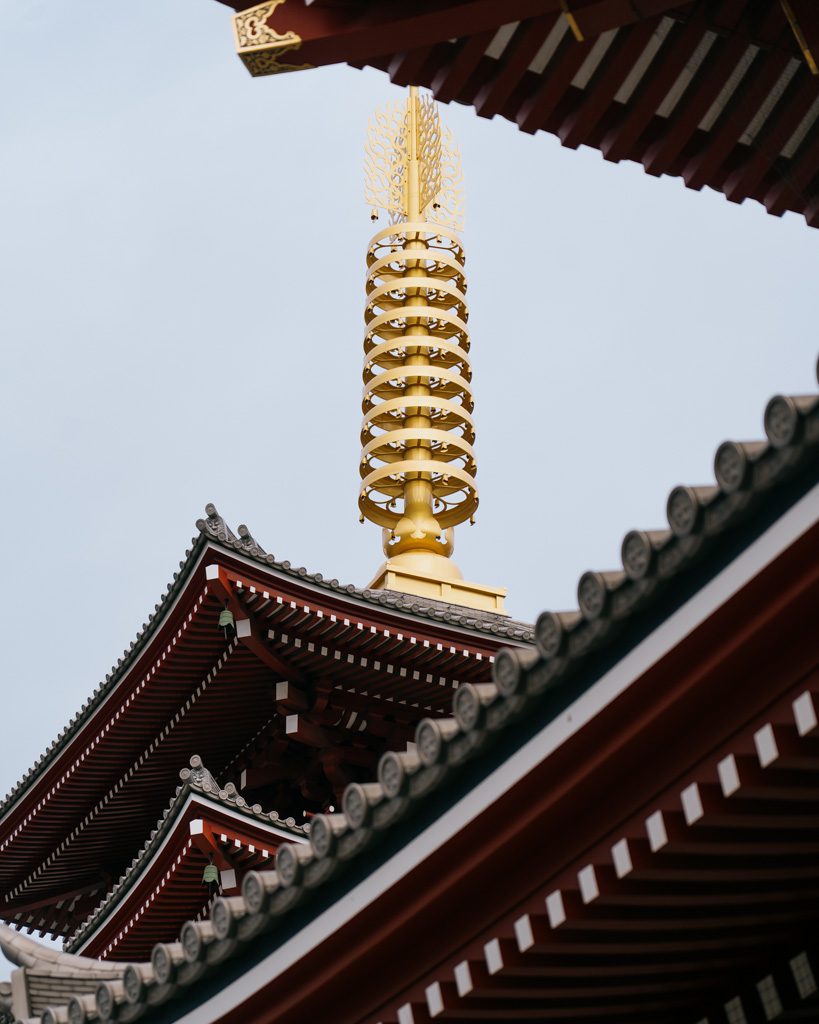
Either side of the courtyard in front of the main hall are rows of stands that might look quite confusing at first. In fact, the first time we visited we had no idea what we were doing but tried to follow other peoples lead.
For a small donation of ¥100 we shook the metal tumbler full of sticks, pulled out a stick with a number on, and then proceeded to struggle to find the corresponding number on the draws in front of us. This was before they started putting Arabic numbers on them, so trying to figure out Japanese characters was completely new to us. Once we found our draw we took out our fortunes.
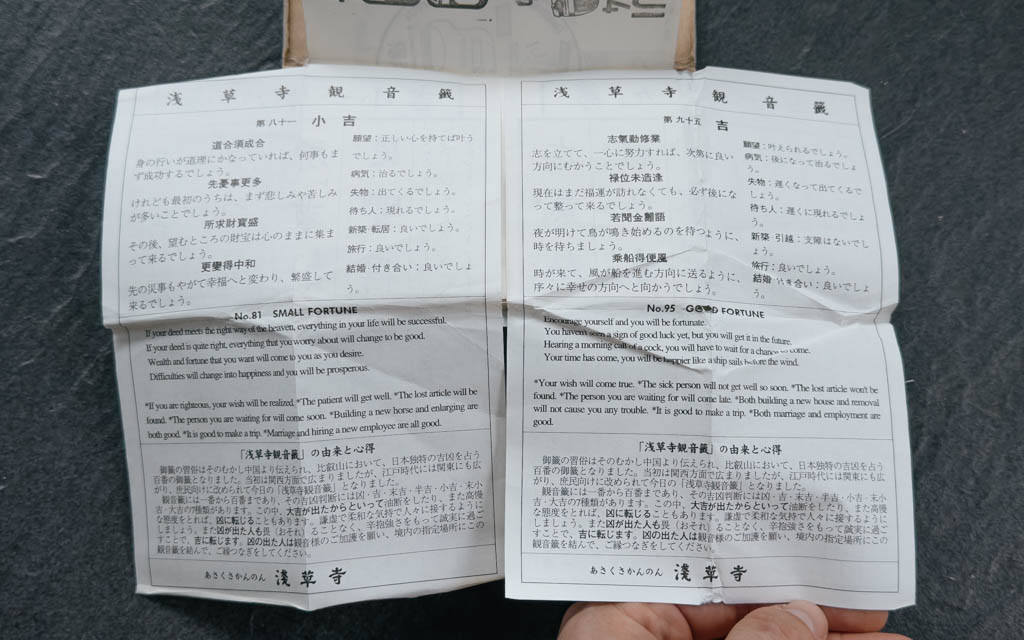
Luckily for us we both received good fortunes! We still have them and keep them in our Japan scrap book. If you get a bad fortune you need to tie the fortune to the racks outside the temple. A nice literal way of leaving your troubles behind!
Is Senso-Ji Tokyo Worth Visiting?
In our opinion, yes, absolutely!
Senso-Ji is somewhere that we find ourselves coming back to every time we visit Tokyo, mainly because we just love the surrounding area. Asakusa has everything you could need without the busy and bustling streets of Shinjuku and Shibuya.
But what makes Asakusa truly special is Senso-Ji. Wandering the grounds, breathing in the incense, taking a fortune. It’s an experience that many of us in the west would never get to experience, and one of the things that makes Japan so special. Sure, there are thousands of temples and shrines all over Japan, but none as accessible and grand as Senso-Ji.
We recommend taking a 2-hour guided tour of Senso-Ji temple to get a true appreciation for the place.
Best Time to Visit Senso-Ji Temple
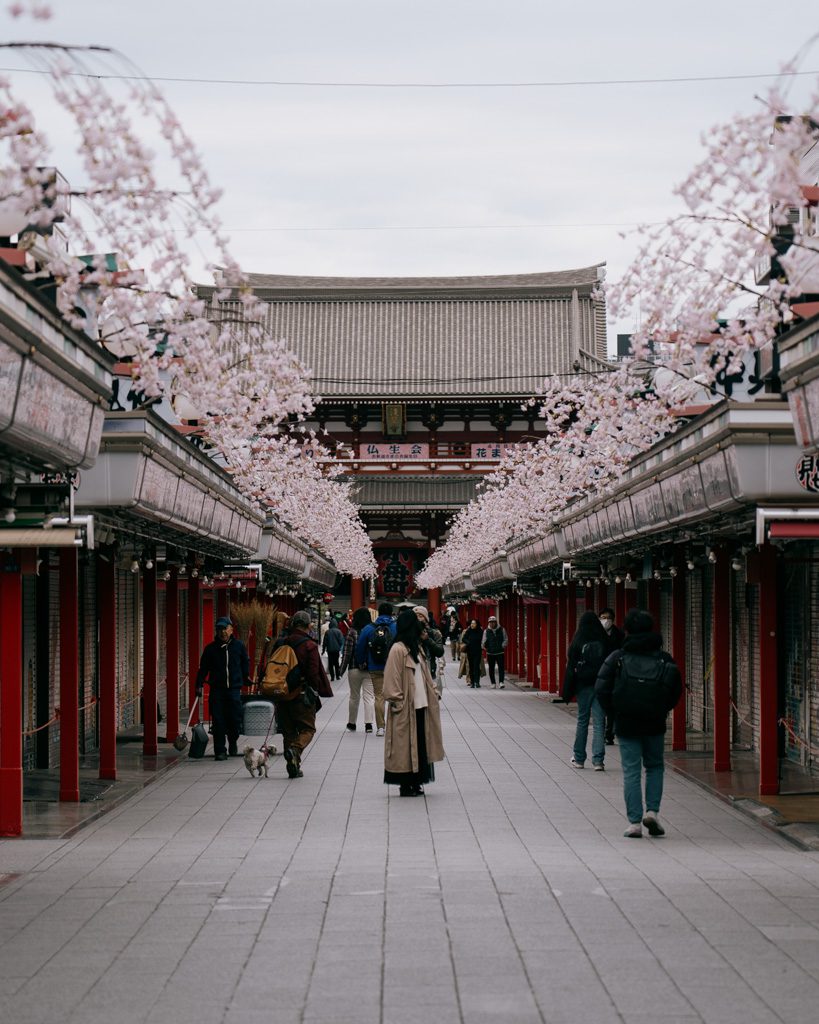
From our experience, hands down the best time to visit Senso-Ji is early in the morning.
Around 7-8am, before the shops on Nakamise shopping street even open.
That might sound counter intuitive, but moving around the temple grounds, crowd free is a blessing. Get there before 8am and you will have uninterrupted views of the temple, gates, and pagoda.
That doesn’t mean this is the only time you should visit Senso-Ji. Whenever we visit Senso-Ji in the morning we like to wander around the adjacent shopping streets or take a stroll through Sumida Park before coming back to the temple to see it when it’s livelier.
The whole place buzzes with a different rhythm when the shops open and the crowds arrive. It’s also a great time to try some different Japanese snacks from the local street vendors.
If you’re wondering what season to visit Senso-Ji and Tokyo as a whole. Check out our guide on the best time to visit Tokyo.
What to do After Visiting Senso-Ji Temple
Every time we’ve shown friends and family around Tokyo, our Senso-Ji day has consisted of the same itinerary. Not necessarily saying it’s the best itinerary, but it’s worked well for us every time.
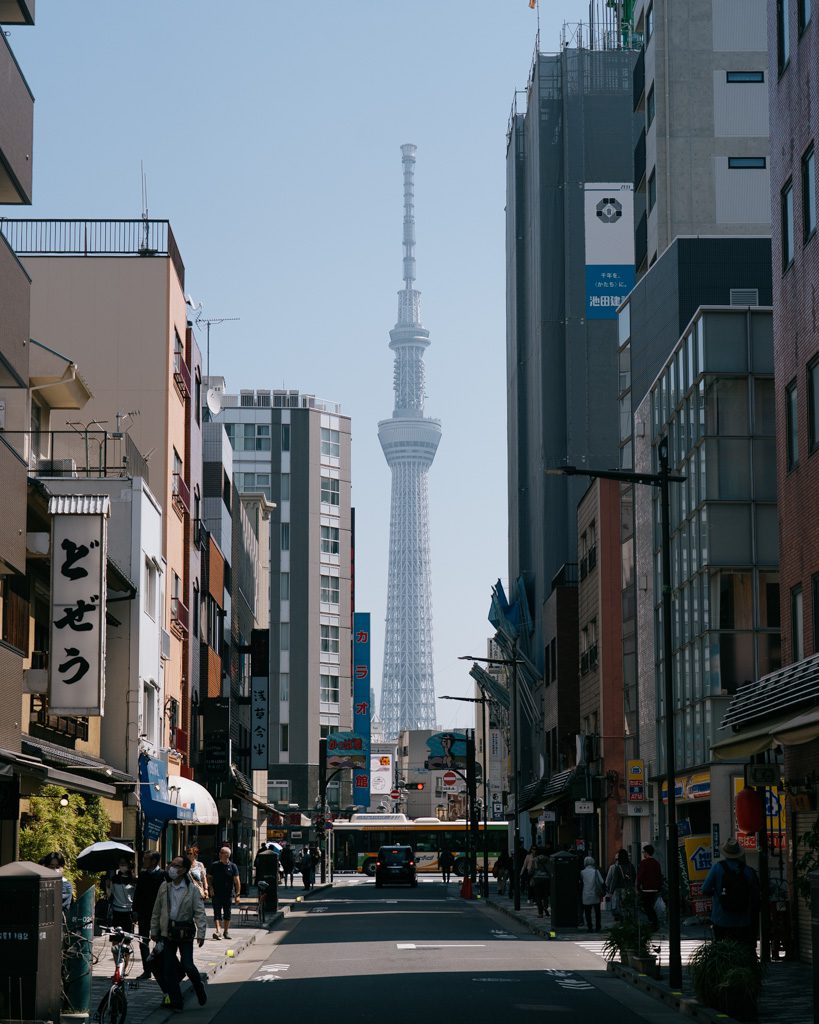
After a visit to Senso-Ji we like to take a stroll to Sumida Park and head to Tokyo Skytree via the Sumida River Walk. It’s a pleasant stroll with nice boutique coffee shops along the way. Tokyo Skytree is a spectacle in itself and sits proudly on our 1-day Tokyo itinerary. It’s a great opportunity to get a view over the entire city.
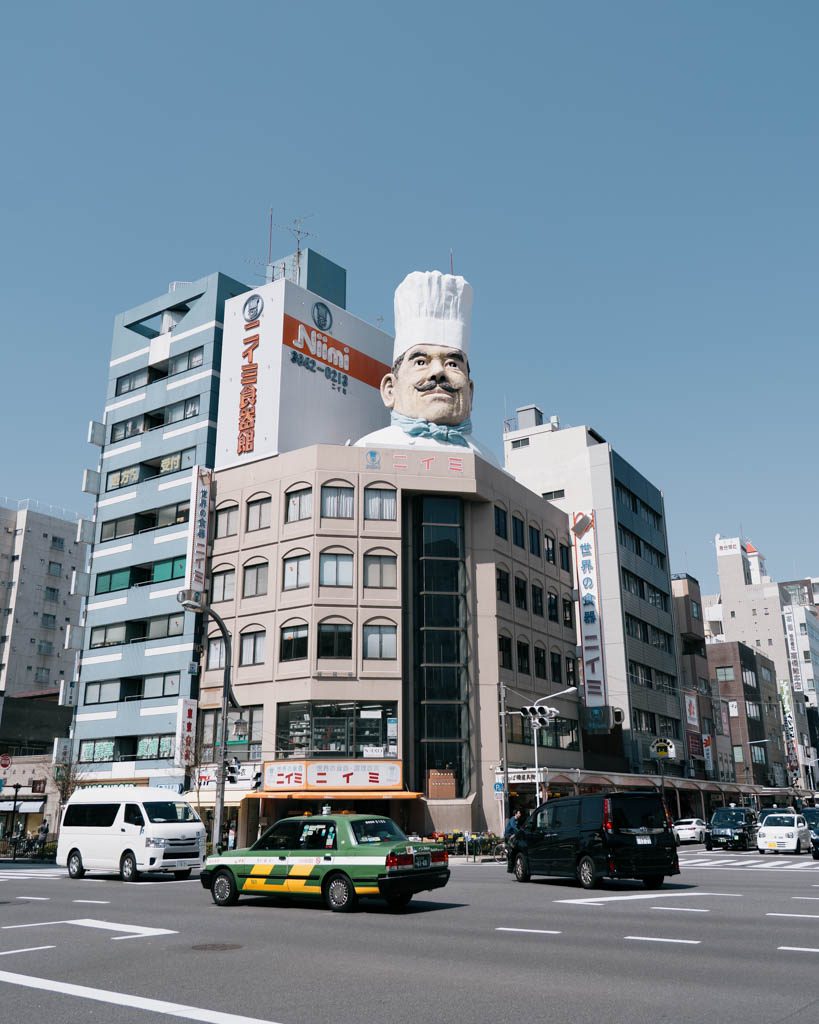
If you’re into kitchen ware and want to take some home as a souvenir (like our Japanese knife), you could head to Kappabashi street just west of Senso-Ji. A street full of every piece of kitchen ware you could ever need. They even sell fake plastic display food for restaurant windows!
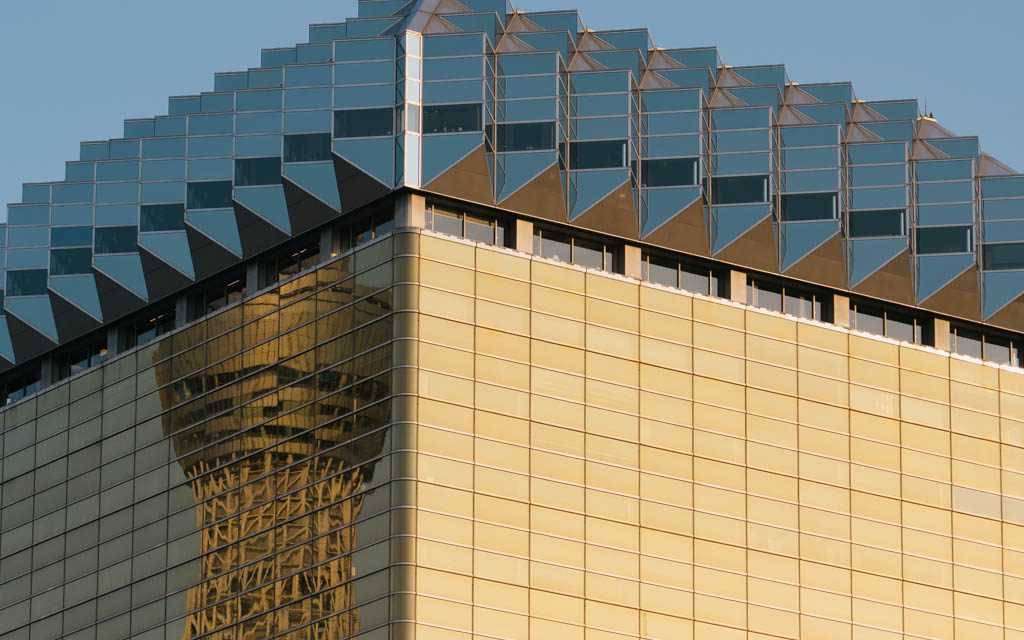
If you need a pint with a view after a busy morning exploring the temple grounds, head to the Asahi HQ, on the 22nd floor there is a sky bar with views over Asakusa and the Sumida River. A great way to get a free(ish) view of the city and enjoy a nice cold pint.
FAQs About Senso-Ji Temple Tokyo
Is Senso-Ji free to enter?
Yes. Both the temple grounds and the Main Hall are free to visit, though small donations are welcome.
Which Asakusa Station should I use for Senso-Ji?
There are technically two. The main Asakusa Station (Ginza, Asakusa, and Tobu Skytree lines) sits east of the temple and is the one most people arrive at. A second station, served only by the Tsukuba Express, sits west of the temple, so you'll hit the temple itself before you reach Kaminarimon Gate if you're coming from that direction.
How long do you need at Senso-Ji?
We'd budget 1-2 hours, more if you want to properly work through Nakamise-dori's shops or come back later in the day to see how different the atmosphere is once it's busy.
What is the best time of day to visit Senso-Ji?
Early morning, ideally before 8am and before the Nakamise-dori shops open. It's a completely different, much quieter experience than visiting later in the day.
How do you draw a fortune (omikuji) at Senso-Ji?
For a small donation (around ¥100), shake a metal tumbler until a numbered stick falls out, then match the number to the corresponding drawer to find your fortune. If you draw a bad one, the custom is to tie it to the racks outside rather than take it home with you.
How many people visit Senso-Ji each year?
Around 30 million a year, which works out to roughly 82,000 people a day, making it one of the most visited religious sites in the world.
How do you get to Senso-Ji from central Tokyo?
Take the subway to Asakusa Station (Ginza, Asakusa, or Tobu Skytree lines) and walk about five minutes to Kaminarimon Gate.
Related Posts
Hi! We’re Mark & Sarah.
We’ve been travelling the world together for the past 4 years. Exploring destinations such as Europe, South America, South East Asia, Japan and Australia. Now we’re sharing everything we’ve learned on our travels, to help you get out there and have your own adventures!